
Lou Bachrodt’s Tri-County Truck

Complimentary Delivery in the State of Florida

Blog

Hino Box Truck Maintenance Schedule: Daily Checks & Service

Technicians inspect a Hino box truck during scheduled maintenance in a service bay.

A maintenance reminder is only useful when it matches the truck it’s meant for. Hino box trucks can differ by model year, engine, drivetrain, and installed equipment, so copying a schedule from a similar vehicle can lead to missed or mistimed service. The hino box truck maintenance schedule in your owner’s manual and applicable Hino service information should guide your plan. From daily walkarounds to scheduled inspections, a consistent routine helps landscapers, movers, contractors, and other businesses spot issues and plan shop visits around busy workweeks. This guide explains how to confirm your truck’s requirements, keep useful service records, and account for demanding routes and heavy-duty use.

Key Takeaways

  • Verify the right maintenance plan: Match the schedule to your Hino’s model year, engine, and configuration, using its owner’s manual or official service information.
  • Plan service around real use: Record mileage, engine hours, and service history, then ask a qualified technician how heavy loads, dusty sites, or frequent stops affect maintenance needs.
  • Make inspections part of the workday: Check the truck before driving, document concerns, and arrange service promptly if you notice leaks, warning lights, brake changes, or unusual performance.

What Hino Box Truck Maintenance Schedule Should You Follow?

Match the schedule to the truck’s model year, engine, drivetrain, and configuration

Before setting service reminders, confirm your truck’s model year, engine, drivetrain, and configuration. Hino box trucks that look alike may have different requirements, so match the schedule to the vehicle identification details and the correct manual. Don’t rely on a schedule for a similar truck.

Include body equipment and modifications in your planning. A liftgate or other installed equipment may need its own inspections. If you’re unsure which schedule applies, share the truck’s details with a Hino service professional. Metro Hino’s maintenance guidance notes that service needs can vary by model, load, and driving conditions.

Use the owner’s manual and official Hino guide as definitive sources

Use the owner’s manual and the applicable Hino maintenance guide to check service intervals and procedures. These references are specific to truck models and may include warranty-related requirements. Somerville Hino’s maintenance overview points readers to Hino guides for different models and truck classes.

Keep the correct guide accessible to the people who inspect the truck and arrange service. If an interval or task is unclear, confirm it with an authorized Hino dealer or qualified service provider before proceeding. Having the right reference on hand helps your team plan shop visits and gives technicians a useful starting point.

Track mileage, engine hours, calendar time, and inspection requirements

Record the truck’s mileage, engine hours, and service dates. Depending on the maintenance guide, a task may be due based on distance, operating time, calendar time, or an inspection requirement. Engine hours can be especially useful for trucks that idle often or make frequent stops.

Keep a log showing what was inspected, repaired, or replaced, along with the next due date. Store invoices and inspection records with the truck or in a shared fleet system, so drivers and managers can find them quickly. Consistent records help you plan service, spot recurring problems, and give your repair provider a clearer picture of the truck’s history.

Avoid applying generic intervals to every Hino truck

Online maintenance tips can offer general guidance, but don’t treat one interval as a rule for every Hino box truck. Requirements differ by model and operating conditions, and an article may discuss only one task. An oil-change interval, for example, shouldn’t determine when to replace filters or inspect brakes and other components.

Check each task against the guide for your truck. Confirm whether it calls for an inspection, adjustment, fluid change, or part replacement. If your truck carries heavy materials, works dusty construction sites, or follows demanding routes, ask a Hino service professional whether severe-duty guidance applies. That keeps the maintenance plan specific to your vehicle and its workload.

What Should You Check Daily?

A daily inspection gives you a chance to catch visible problems before your Hino box truck heads out on a job. For landscapers, movers, contractors, and other crews that rely on their trucks, a few minutes of checking can help prevent an issue from disrupting the day or putting people at risk.

Follow your company’s inspection process and the instructions in the owner’s manual. The correct procedure can vary by model, equipment, and truck configuration, so use the manual for details such as how to check fluid levels and operate installed equipment. Don’t rely on a quick glance alone: walk around the truck, check the cab and dashboard, and note anything that looks, sounds, or feels different.

If you find a problem, report it through your company’s maintenance process before driving. A truck that may be unsafe should remain out of service until a qualified person has assessed it. Keep clear inspection notes, including the mileage and the details of what you noticed. That information helps a technician investigate the issue and gives your team a record of recurring concerns.

Check tires, wheels, lights, mirrors, and visible damage before driving

Walk around the truck and look for tire cuts, bulges, embedded objects, or signs of low pressure. Check wheels for visible damage and missing or loose wheel nuts. Use a tire gauge when your inspection procedure calls for one, and compare the reading with the specification for your truck.

Test the headlights, turn signals, brake lights, and hazard lights. Clean and adjust the mirrors, then check that the windshield and windows provide a clear view. Look over the body and undercarriage for fresh damage or loose parts. During startup, pay attention to unusual noises, changes in exhaust sound, or reduced engine performance. Hino service guidance recommends watching for these changes, since they may point to a problem that needs professional attention.

Look for leaks and check fluid levels as the manual directs

Before starting the truck, look beneath it for fresh drips or puddles. Check visible hoses and connections for signs of leakage, and note fluid around the engine, transmission, steering, cooling, or hydraulic components. A leak can signal a developing problem, even if the truck appears to run normally.

Check fluid levels using the procedure in the owner’s manual. The correct method varies by fluid and truck configuration. Park on level ground when instructed, use the specified dipstick or reservoir markings, and never open a hot cooling system. Report low levels or visible leaks so they can be assessed. Leaks involving coolant, transmission fluid, power steering, or hydraulics deserve prompt attention, as truck repair guidance explains.

Test brakes, steering, horn, and dashboard warning indicators

Confirm that the horn works and that the steering responds normally. Check the parking brake and service brakes in a safe area, following your workplace procedure. Notice any pulling, vibration, unusual pedal feel, or squealing and grinding sounds.

Watch the dashboard during startup. Warning indicators should follow their normal startup sequence. If a light stays on or appears while driving, report it and follow the instructions in the owner’s manual. Don’t dismiss a soft brake pedal or a change in stopping distance. These can signal a serious brake issue. Heavy-duty truck repair advice identifies brake noise, a soft pedal, and longer stopping distances as reasons to arrange prompt service.

Secure cargo and inspect box doors, liftgates, and installed equipment

Make sure cargo is stable and secured with suitable tie-downs or restraints. Check that the load is distributed appropriately and cannot shift, fall, or block your view while driving.

Inspect box doors, latches, hinges, and seals. Confirm that each door closes and locks securely. If the truck has a liftgate, look for visible damage, leaks, or worn components. Operate it only if you’re trained and can do so safely. Check other installed equipment, such as ramps, racks, or toolboxes, and secure it before departure. Regular inspections can help limit downtime and repair costs, according to Hino maintenance guidance.

Record concerns and take unsafe trucks out of service

Record defects as soon as you find them. Include the date, mileage, warning lights, unusual sounds, and the location of any leak or damage. Specific notes help your fleet manager or service technician understand what happened and determine what to inspect. Report concerns through your company’s maintenance process, even if the truck still seems to operate normally.

Do not drive a truck if a problem could affect safe operation, such as unreliable brakes, a serious fluid leak, a damaged tire, or a steering fault. Follow your workplace procedure for taking it out of service and arranging an inspection. A clear maintenance process helps drivers recognize when a truck needs attention, as truck repair guidance recommends.

Which Maintenance Tasks Should You Schedule?

A dependable Hino box truck maintenance plan covers more than engine oil. Schedule regular checks for filters, fluids, brakes, tires, steering, suspension, cooling, electrical components, and emissions equipment. The exact requirements depend on your truck’s model, engine, configuration, and operating conditions, so use the owner’s manual or official Hino service information to confirm intervals and specifications. Keep a record of the work performed, mileage, and any recommended follow-up. That makes it easier to plan service around your routes and keep your truck ready for the next job.

Change engine oil and filters at the specified intervals

Engine oil lubricates moving parts and helps manage heat and contaminants. Over time, it wears down, so change the oil and filter according to the schedule for your specific truck. The right interval, oil grade, and filter can vary by model and engine. As a reference, Somerville Hino’s maintenance guidance recommends an oil change every 5,000 kilometers, but that figure should not replace the interval in your owner’s manual. If you regularly idle, carry heavy loads, or work on demanding routes, ask a Hino service professional whether your use affects the schedule. Record the date, mileage, oil type, and filter used after each service.

Inspect or replace fuel, engine air, and cabin filters as directed

Filters help keep contaminants out of the engine and support proper airflow and fuel delivery. Check and replace each filter as directed in your owner’s manual. For example, Metro Hino’s filter guidance suggests inspecting engine air filters every 15,000 kilometers and replacing them if clogged or damaged, with fuel-filter replacement every 20,000 to 30,000 kilometers. These are reference intervals, not a universal schedule for every Hino. Dusty roads, construction sites, and debris-heavy work areas can make more frequent inspections worthwhile. Check the manual for cabin-filter requirements, if your truck has one, and use filters that meet the specifications for your model.

Check transmission, driveline, and differential fluids on schedule

Transmission, driveline, and differential fluids help protect gears and other moving parts from friction and wear. Check their condition and service intervals according to the owner’s manual. Requirements vary by transmission and drivetrain, and some checks may need to be performed by a technician. Metro Hino’s maintenance timeline lists 40,000 to 60,000 kilometers as a general transmission-fluid reference, but your truck may have different requirements. Confirm the correct fluid specification and service timing before arranging work. During service, ask the technician to check for leaks and note whether the fluid needs inspection, replacement, or further diagnosis.

Inspect brakes, tires, steering, and suspension at prescribed intervals

Brakes, tires, steering, and suspension affect how your truck stops and handles, particularly when it’s carrying tools, equipment, or materials. Follow the inspection intervals in the manual, and watch for visible issues during daily checks. Look for tire damage or uneven wear, brake noise, vibration, pulling, or changes in handling. Metro Hino’s brake maintenance guidance recommends regular brake inspections every 10,000 to 15,000 miles, depending on driving conditions. Confirm the appropriate interval for your model and use. A qualified technician can measure brake wear and check components that are difficult to inspect during a walkaround. Arrange prompt service if stopping distances increase or the truck handles differently.

Maintain the cooling system, battery, electrical components, and emissions equipment

Check coolant level and condition as directed by the manual, and inspect hoses, belts, and the radiator area for leaks or damage. Only check coolant when the engine is cool, and use the specified type. Hino maintenance tips also recommend checking fan-belt condition and tension. Include the battery, terminals, wiring, lights, and other electrical components in scheduled inspections. Keep emissions equipment in good working order, too. Don’t ignore warning lights, unusual exhaust sounds, or changes in engine performance. If a warning appears, arrange a proper diagnosis rather than replacing parts based on guesswork. Record inspections, repairs, and any follow-up service.

Confirm whether each task requires inspection, adjustment, fluid, or part replacement

A maintenance schedule may call for different work at different service visits. A component might need inspection only, or it may need adjustment, fresh fluid, or replacement. Before approving service, ask what the job includes and which items will be checked, especially for brakes, belts, filters, and emissions components. This helps you understand what’s been done and when the truck is due for attention again. Share any new symptoms with the technician, including unusual exhaust noise or reduced engine performance. Franks Hino’s service guidance recommends professional attention for exhaust concerns. Keep records of mileage, work performed, parts and fluids used, and any recommendations for follow-up.

How Do Operating Conditions Change Service Intervals?

A Hino box truck’s service needs depend on how it works, not just how many miles it travels. Stop-and-go routes, long idling periods, dusty sites, and heavy loads can call for closer attention to maintenance.

Check severe-duty guidance for stop-and-go routes, idling, and frequent short trips

Landscaping, moving, and delivery work often involves frequent stops, extended idling, and short trips. In these conditions, mileage alone may not reflect how hard the truck has worked. Track engine hours as well as mileage, and check the owner’s manual for severe-duty maintenance guidance.

Depending on the truck and its use, some service tasks may be due sooner than they would be for regular highway driving. Metro Hino’s maintenance guidance notes that service needs vary with the model, load, and driving conditions. Use the guidance to identify what to confirm, then follow the schedule specified for your truck.

Account for dust, construction sites, heavy loads, and towing

Dust from construction sites, gravel roads, and landscaping work can affect air filters and other components. Heavy cargo and towing place added demands on the engine, brakes, tires, suspension, and drivetrain. When reviewing maintenance needs, consider the work your truck does every day, including the weight it carries and the surfaces it travels.

Between scheduled services, watch for visible leaks, tire wear, or changes in braking and handling. Follow the manual’s instructions for inspecting filters and other components, since service requirements depend on the truck. Hino maintenance tips also stress the importance of keeping steering and suspension systems in good condition, especially when a truck regularly works on rough routes.

Ask a Hino service professional if demanding use requires more frequent service

If your truck spends most of its time in demanding conditions, ask a Hino service professional to review its maintenance schedule. Share the model year, engine, configuration, typical load, route conditions, idling time, mileage, and engine hours. These details help the technician assess whether the standard schedule fits the truck’s workload.

Keep records of inspections, repairs, mileage, and engine hours. Good records make it easier to spot recurring issues and plan service around busy periods. A technician can also clarify whether a task calls for inspection, adjustment, a fluid change, or part replacement. Routine maintenance can help reduce breakdown risks and downtime, but use the owner’s manual and qualified service advice to determine the right intervals for your truck.

Which Warning Signs Need Prompt Hino Service?

A change in how your Hino box truck sounds, handles, or performs deserves attention. Catching a problem early can help prevent a breakdown during a delivery or job. If the truck feels unsafe to drive, pull over somewhere safe and arrange an inspection before continuing.

Address leaks, overheating, and rising temperature readings

Look beneath the truck for fresh oil, coolant, transmission fluid, or diesel fuel. A leak can lower fluid levels and lead to overheating or damage to key components. Make a note of the fluid’s color and where you saw it, then contact a qualified service provider. Adding fluid may help temporarily, but it won’t fix the source of the leak.

Keep an eye on the temperature gauge while driving. If it rises above its usual range or an overheating warning appears, pull over safely and shut off the engine when conditions allow. Continuing to drive may cause further damage. A heavy-duty truck repair checklist identifies leaks and overheating as reasons to arrange prompt service.

Respond to brake noise, a soft pedal, or longer stopping distances

Squealing or grinding noises, a brake pedal that feels soft, or longer stopping distances all warrant prompt attention. These changes can affect your ability to stop safely, particularly when the truck carries tools, materials, or a full load. Don’t wait until the next scheduled service if the brakes feel different than usual.

If braking changes significantly, park the truck safely and arrange an inspection. Avoid continuing the route until a technician has checked the system. Regular inspections can help identify worn or damaged components before they compromise safe operation. Review these truck brake warning signs to understand which symptoms call for urgent attention.

Investigate warning lights, unusual engine or exhaust noises, and reduced performance

Pay attention to dashboard warning lights, especially when they appear alongside rough running, a change in exhaust sound, loss of power, or a sudden drop in fuel economy. Note when the warning appeared and what the truck was doing. If a critical light comes on or the truck runs poorly, stop in a safe location and contact a service professional.

Rattling, knocking, hissing, or a change in exhaust tone may point to an engine or exhaust-system issue. Don’t dismiss a new sound simply because the truck still runs. A Hino service and repair guide advises owners to watch for changes in noise, exhaust tone, and engine performance.

Check uneven tire wear, handling changes, starting trouble, and electrical faults

Uneven tire wear, pulling to one side, vibration, or loose-feeling steering can signal a tire, suspension, or steering problem. These issues may affect control, especially with a heavy load. Check for visible tire damage and arrange an inspection if the truck handles differently than usual. Hino maintenance guidance stresses the importance of keeping steering and suspension systems in good condition.

Starting trouble, dim lights, flickering displays, or recurring electrical warnings may point to a battery, charging, or wiring fault. Note when the issue occurs and which components are affected. If the truck won’t start reliably, avoid repeated attempts and contact a technician. Testing the battery and charging system can help identify the problem before it interrupts a workday.

Why Follow the Hino Box Truck Maintenance Schedule?

A Hino box truck may carry tools to a job site, furniture to a customer, or materials between locations. When the truck is out of service, schedules and business operations can suffer. Following the maintenance schedule for your specific model helps you keep key systems in good condition, plan service ahead, and spot concerns before they disrupt a workday. Use the owner’s manual and Hino service information to confirm required intervals, and keep a record of inspections and repairs. Regular care supports dependable operation and can help manage the truck’s long-term costs, as Franks Hino explains.

Support safe braking, handling, and dependable operation

A loaded box truck needs reliable brakes, responsive steering, and tires in good condition. Scheduled inspections give a technician the opportunity to check these systems, identify wear, and recommend repairs. Drivers can also watch for changes between service visits, such as brake noise, a soft pedal, pulling to one side, or unusual vibration. Report these signs promptly and follow your company’s procedure for removing a truck from service if it may be unsafe to drive. Routine inspections and timely repairs help support safe, dependable operation on routes and at work sites, as Franks Hino’s service guidance describes.

Protect engine, transmission, fuel, and emissions-system performance

The engine, transmission, fuel system, and emissions equipment all affect truck performance. Following the correct service intervals helps keep these systems maintained according to the manufacturer’s guidance. Depending on the truck, scheduled work may include changing oil and filters, checking fluids, or inspecting emissions components. Arrange an inspection if a warning light comes on or you notice unusual exhaust, reduced power, or a change in fuel use. Addressing exhaust-system issues promptly can help maintain fuel efficiency and prevent related engine damage, as Franks Hino notes.

Catch wear early to reduce breakdown risks, repair costs, and downtime

Routine service can reveal wear while there is still time to plan a repair. For example, an inspection may identify brake components that need attention before they affect stopping performance. If your business relies on its truck to move tools, materials, or furniture, planned shop time is generally easier to work around than an unexpected breakdown. Keep track of inspection findings and ask your service provider which repairs need immediate attention and which can be scheduled. Metro Hino’s brake maintenance guidance explains how early detection can help prevent more serious problems.

Support fuel efficiency, vehicle longevity, and maintenance-record requirements

Keeping up with scheduled service can help maintain fuel efficiency and extend a truck’s useful life. It also gives your team a clear service history to reference when planning future work or preparing the vehicle for resale. Save receipts and record the service date, mileage, engine hours when available, work completed, and parts replaced. Check the owner’s manual and warranty information for any recordkeeping requirements that apply to your truck. Metro Hino’s routine maintenance guidance describes how regular care can support engine life, reduce downtime, and help with warranty compliance.

Where Can You Find the Official Hino Maintenance Schedule?

Consult the owner’s manual and official Hino maintenance information

Start with the owner’s manual for your specific truck. It outlines the recommended maintenance tasks and intervals, along with inspection guidance. If the manual is missing, ask a Hino dealer or use Hino’s official service resources to find the correct documentation. Avoid relying on a schedule from another truck, even if it looks similar.

Regular inspections and preventive maintenance help keep a truck safe and dependable, and can reduce the chance of breakdowns, costly repairs, and missed work. That matters when your box truck carries tools, materials, or customer orders to a job site. Somerville Hino’s maintenance guide explains why following a regular service plan is important.

Confirm requirements using the truck’s model, year, engine, and configuration

Before setting service reminders, confirm your truck’s model, model year, engine, drivetrain, and chassis configuration. Hino box trucks can have different maintenance requirements, so an interval that applies to one vehicle may not suit another. Check the manual’s vehicle details against your truck’s information to make sure you’re using the right schedule.

How you use the truck matters, too. Frequent stops, long periods of idling, heavy loads, and demanding routes can affect service needs. If you’re unsure whether your work conditions call for a different maintenance approach, ask a qualified technician. Metro Hino’s maintenance guidance recommends following the schedule for your specific model and considering how the truck is operated.

Check Hino service publications or ask an authorized dealer or qualified service provider

For details beyond the owner’s manual, check Hino’s service publications. The Hino service information page provides access to on-demand materials, including owner manuals, repair manuals, wiring diagrams, service bulletins, and technical tips. Choose publications that match your truck, and consult a qualified technician if you’re unsure how to apply a procedure.

An authorized Hino dealer or qualified service provider can help confirm the correct schedule and explain specific requirements. When you call, have the truck’s model year, engine, configuration, mileage, and typical workload ready. Details such as dusty job sites, heavy loads, or frequent stop-and-go driving help the technician make a more relevant recommendation.

Keep the correct schedule and maintenance records with the truck

Once you’ve confirmed the schedule, keep a copy in the truck or in a shared digital file that drivers and service staff can access. Record the date, mileage, and engine hours when the schedule calls for them, along with the work completed, parts used, and any concerns that need follow-up. These notes make it easier to plan upcoming service and give technicians useful history when they inspect the truck.

For a fleet, assign someone to review the records and arrange service before tasks come due. Keep inspection notes and repair invoices with the maintenance history so your team can spot recurring issues and plan around shop time. Consistent care and recordkeeping can help manage downtime and long-term ownership costs, as Franks Hino’s service guidance notes.

Frequently Asked Questions

How often should I service my Hino box truck? The right interval depends on your truck’s model, engine, configuration, and workload. Check the owner’s manual or Hino service information for each maintenance task, and ask a qualified technician whether your driving conditions affect the schedule.

Do engine hours matter if I track mileage? Yes. If your truck spends a lot of time idling or making frequent stops, engine hours can help show how much work it has done. Record hours, mileage, and service dates so you can compare them with the requirements in your maintenance guide.

What should I do if I find a problem during a daily inspection? Write down what you noticed, including the date and mileage, and report it through your company’s maintenance process. If the issue could affect safe operation, such as a brake fault, damaged tire, or serious leak, keep the truck out of service until it has been assessed.

Should a liftgate or other installed equipment be included in the maintenance plan? Yes. Liftgates, ramps, and other equipment may have separate inspection or service requirements. Check the equipment manufacturer’s instructions and include those tasks in your truck’s maintenance records.

Where can I find the correct maintenance schedule for my truck? Start with the owner’s manual and Hino service information that match your truck’s model year, engine, and configuration. If you can’t confirm which guide applies, contact a Hino dealer or qualified service provider with the truck’s details and typical workload.
Recommended Posts

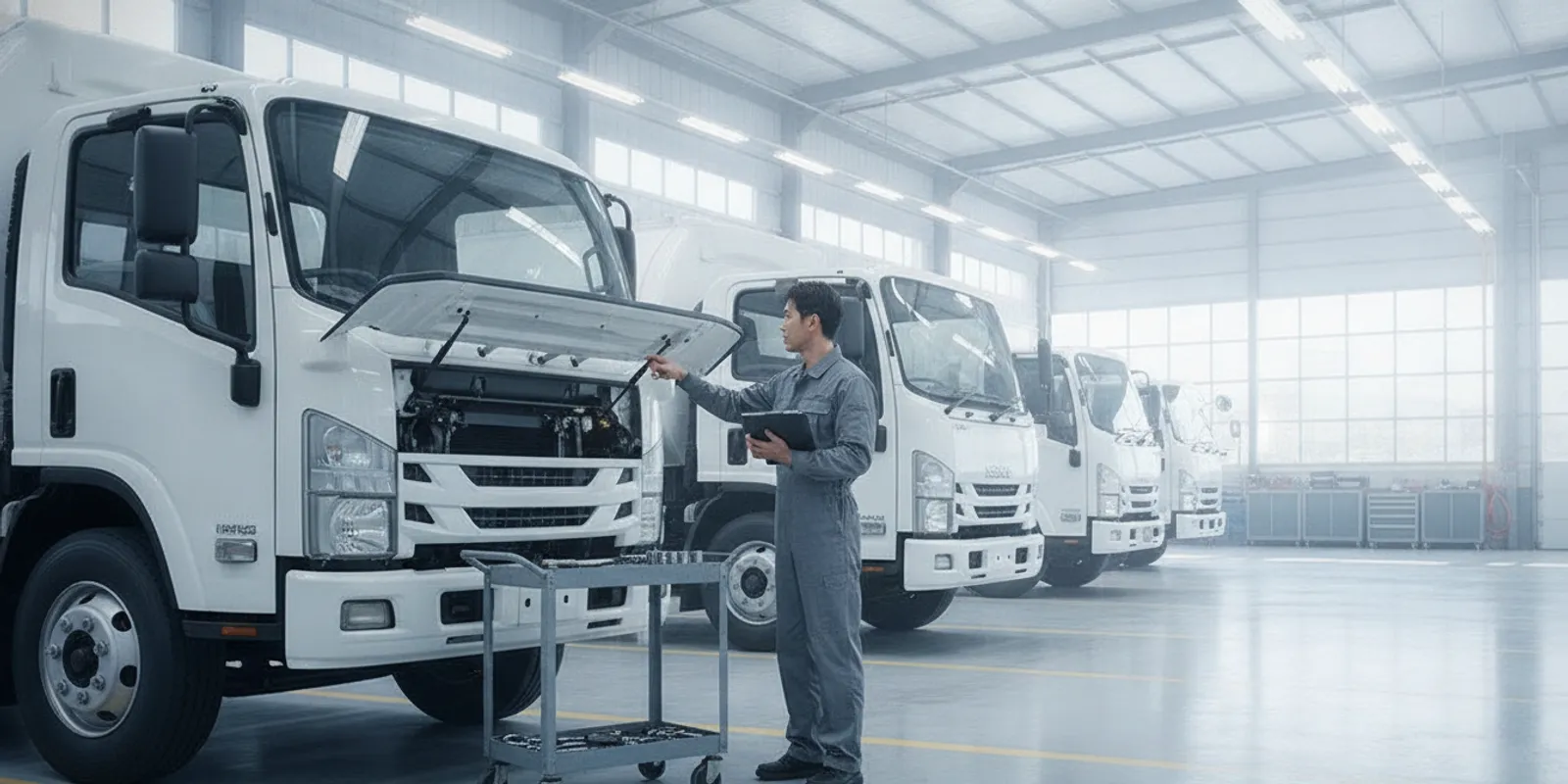
Technician inspecting an Isuzu commercial truck in a service bay

Certified Isuzu Truck Mechanics: What to Expect

Certified Isuzu truck mechanics should explain the training that applies to your model. They should also explain the tests behind a repair and the parts chosen for that truck. A diesel shop that works on many brands can still miss an Isuzu-specific step. Ask how the shop matches the technician, the procedure, and the part to the vehicle in front of them. Call the service department Bring the model, model year, mileage, and a short description of the concern. Ask whether the technician has worked on that Isuzu and which service information the shop uses. A clear answer on those points is more useful than a general claim that the shop services commercial trucks. What certified Isuzu truck mechanics should be able to show A certificate or manufacturer-related qualification means a technician completed defined training or showed knowledge in a set area. It does not promise a perfect repair on every visit. Ask which training covers your truck and the job being discussed, then ask who will do the work. Be specific about the vehicle. Share the model, model year, engine details if you have them, mileage, and the concern in plain words. Ask whether the shop has seen that Isuzu model and the systems involved. An intermittent warning light needs a different plan than a truck that is only due for scheduled service. Experience with a similar box truck is not the same as experience with your configuration. An NPR used for local delivery and an FTR with a heavier body can need different checks even when the complaint sounds alike. Name the model and the body so the shop does not guess from a generic medium-duty label. Questions that separate relevant training from a general claim Which training or qualification applies to this Isuzu model and this repair? Who will diagnose the truck, and what Isuzu experience does that person have? Which service information or diagnostic tools will the shop use? Will the shop explain findings before any repair beyond the approved scope? Isuzu publishes service literature, diagnostic information, and training resources for its 1996-to-current commercial trucks through Isuzu Truck Service. That collection is a useful reference for what model-specific support looks like. It is not proof that every shop has access to it. Ask the shop which resources it actually uses on your model year. A state diesel training manual can show how specialized diesel work is structured, but it is not an Isuzu checklist. West Virginia's diesel mechanic training material covers training and qualification for maintenance, repair, and testing of certified diesel equipment in a mining setting. Review the West Virginia diesel mechanic training manual only as an example of defined training, not as a guide for your truck. Use that outside example as a comparison, not as a standard your shop must quote. The practical question is narrower. Can the person on your truck point to Isuzu service information for the system being tested. And can they explain the result in words you can file with the unit? How a shop should diagnose the truck Good diagnostic work starts with the symptom and the truck's history. The technician then uses inspection and tests to narrow the cause. Ask which checks are planned, whether a stored code is only one piece of the evaluation, and how the shop will explain findings before more work is approved. A code can point toward a system. It is not a complete diagnosis by itself. A useful conversation separates the fault you can see, the suspected cause, and the proposed repair. Before you approve work, ask what was confirmed, which test supports the recommendation, and which other causes still need a check. Also ask whether the shop will call you before it goes past the approved scope. That limit matters when a first test leads to a deeper inspection. You should hear the new finding and the added cost before that work starts. Write the authorization limit in the same note as the complaint. A cap such as "call me before any work past the initial inspection" keeps a long diagnostic visit from turning into a surprise repair. If the truck is down and the route cannot wait, say that too, so the shop knows which checks come first. What to have ready before the first call Write down the model, model year, mileage, and any recent repair. Describe the symptom, when it started, and whether it is constant or intermittent. Note whether it changes with load, temperature, route, or a cold start. Say whether the truck is safe to drive to the shop. If you run several trucks, name the exact unit so notes stay with that vehicle. This preparation does not replace an inspection. It gives the technician a cleaner starting point and keeps the first conversation focused on your truck rather than a generic diesel complaint. The same list works for a single owner-operator and for a dispatcher handling several units. Maintenance records worth keeping Ask for an itemized record of the visit. It should name the reported concern, the findings, the work performed, and the parts installed. Keep the invoice and inspection notes with that truck's history. The next technician needs that context if the same symptom comes back. Before you leave, confirm any recommended follow-up, items that were inspected but not repaired, and symptoms that should trigger another visit. Use the same fields for every truck in the fleet: date, mileage, complaint, diagnosis, repair, parts, and next action. A useful fleet note also records who reported the issue and when it first appeared. Keep the original work order next to your own notes, and mark whether follow-up was completed or deferred. If the truck returns for the same symptom, that timeline helps separate a repeat problem from a new one. Do not rely on memory once the truck is back on a route. A driver may describe last month's repair differently than the invoice does. The paper record is what the next shop should trust, especially when more than one driver uses the same unit. Record field What to write down Why it helps later Truck identity Model, year, unit number, and mileage. Keeps the note attached to the right vehicle. Concern Symptom, when it started, and when it appears. Helps the next visit reproduce an intermittent fault. Findings What was confirmed, and which test supported it. Separates a stored code from a completed diagnosis. Work and parts Repair performed, and the part that was installed. Shows what was already replaced if the issue returns. Follow-up What was deferred, and when to recheck it. Stops a recommendation from getting lost in the file. Read each row as a field you can copy onto a work order. You do not need a special fleet system to start. A shared folder with one sheet per truck is enough if every visit fills the same five fields. How to confirm parts fitment Parts should be chosen for the specific truck and the specific repair. A part that looks right, or that fits a broad model name, can still be wrong for that configuration. Share the truck's identifying details and ask the service team to confirm the proposed part before it is ordered. When you compare estimates, check that they describe the same work and the same parts. A lower first number may leave out diagnosis, a component, or labor. Ask what each line includes instead of comparing totals alone. Before you approve a substitution, ask why it is proposed, whether it changes the repair, and how the installed part will be identified on the invoice. If the truck has been modified, or if it carries a nonstandard body or equipment, say so before parts are ordered. That detail can prevent a delay caused by a part that does not match the truck as it is built today. Isuzu offers both OEM parts and FleetValue parts, and it points owners toward an authorized dealer for parts support. Ask which option the shop is quoting and why it fits this repair. Genuine commercial parts support is also described on the commercial vehicle service and parts page. Fitment is also a time question. A part that has to be reordered can keep a route truck down longer than the repair itself. Ask whether the quoted part is on hand, how the shop confirmed it, and what happens if the delivered part does not match the truck. Put that answer on the estimate before you approve the job. Questions to ask before you authorize service What training is relevant to my Isuzu model and this repair? How will you diagnose the issue, and what will you report first? Which work and parts are included in the estimate? Will I approve extra work before it begins? What paperwork will I receive, and what follow-up should I plan? Share the symptoms and service history when you contact the service and parts department. If the concern is a Hino diesel rather than an Isuzu, the Hino diesel engine repair guide covers that separate question. Do not treat the two makes as the same diagnostic job. For a more useful first conversation, have the model, mileage, and any recent warning or repair ready. Say whether the truck is safe to operate and whether the concern is constant or comes and goes. If you manage several units, identify the vehicle when you call so notes stay with the right truck. Ask for a plain summary you can repeat to a driver or a dispatcher. The summary should name the confirmed fault, the recommended work, the parts, and anything left for later. If you cannot restate it, the visit is not ready for approval yet. A simple fleet process you can repeat Before you schedule, gather the model and mileage, describe the symptom in plain terms, and note when it happens. Ask about the diagnostic steps, the authorization limit, parts fitment, and the written record you will get back. After the visit, file the paperwork and track any follow-up by vehicle. That routine is the practical test of certified Isuzu truck mechanics. You are looking for a shop that can name the relevant training, explain the tests. Match the part to the truck, and hand you a record the next technician can use. Those four points tell you more than a broad promise of diesel service. Repeat the same four checks on the next visit, even when the symptom is new. Shops change, and a truck's history gets harder to reconstruct after a few undocumented repairs. A short checklist is easier to keep than a long policy nobody uses. Lou Bachrodt's Tri-County Truck in Pompano Beach services commercial trucks and stocks genuine parts for fleet work. The service desk can walk through the concern, the truck details, and the next step. Use the same checklist on every unit so the file stays consistent as the fleet grows. If you are comparing this visit with scheduled upkeep on a work truck, the commercial utility truck maintenance schedule covers routine timing. This article stays on the mechanic question: training, diagnosis, records, and fitment. Use the schedule piece when the truck is due for planned service rather than an unexplained fault. Request a service appointment Frequently asked questions Does a certificate guarantee the repair? No. A certificate shows completed training or demonstrated knowledge in a defined area. You still need to ask whether that training covers your Isuzu model and the repair being proposed. You should also see the findings before you approve extra work. What should I bring to the first service visit? Bring the model, model year, mileage, a short description of the symptom, and any recent repair paperwork. Note whether the problem is constant or intermittent, and whether the truck is safe to drive. Those details help the technician start with the right checks. How do I know a part fits my truck? Ask the shop to match the part to that truck's configuration, not only to the model name. If a substitute is proposed, ask why, whether it changes the repair, and how the installed part will be listed on the invoice. Mention any body or equipment changes before the part is ordered. What records should I keep after the visit? Keep the work order and invoice with the truck. The useful fields are the date, mileage, complaint, findings, repair, parts installed, and any follow-up that was deferred. The same fields on every truck make the next visit faster when a symptom returns. A clear service process gives fleet owners the facts they need to approve a repair and to keep a usable history on each Isuzu. Start with the truck's details, ask how the diagnosis will be explained, and keep the paperwork with that unit.

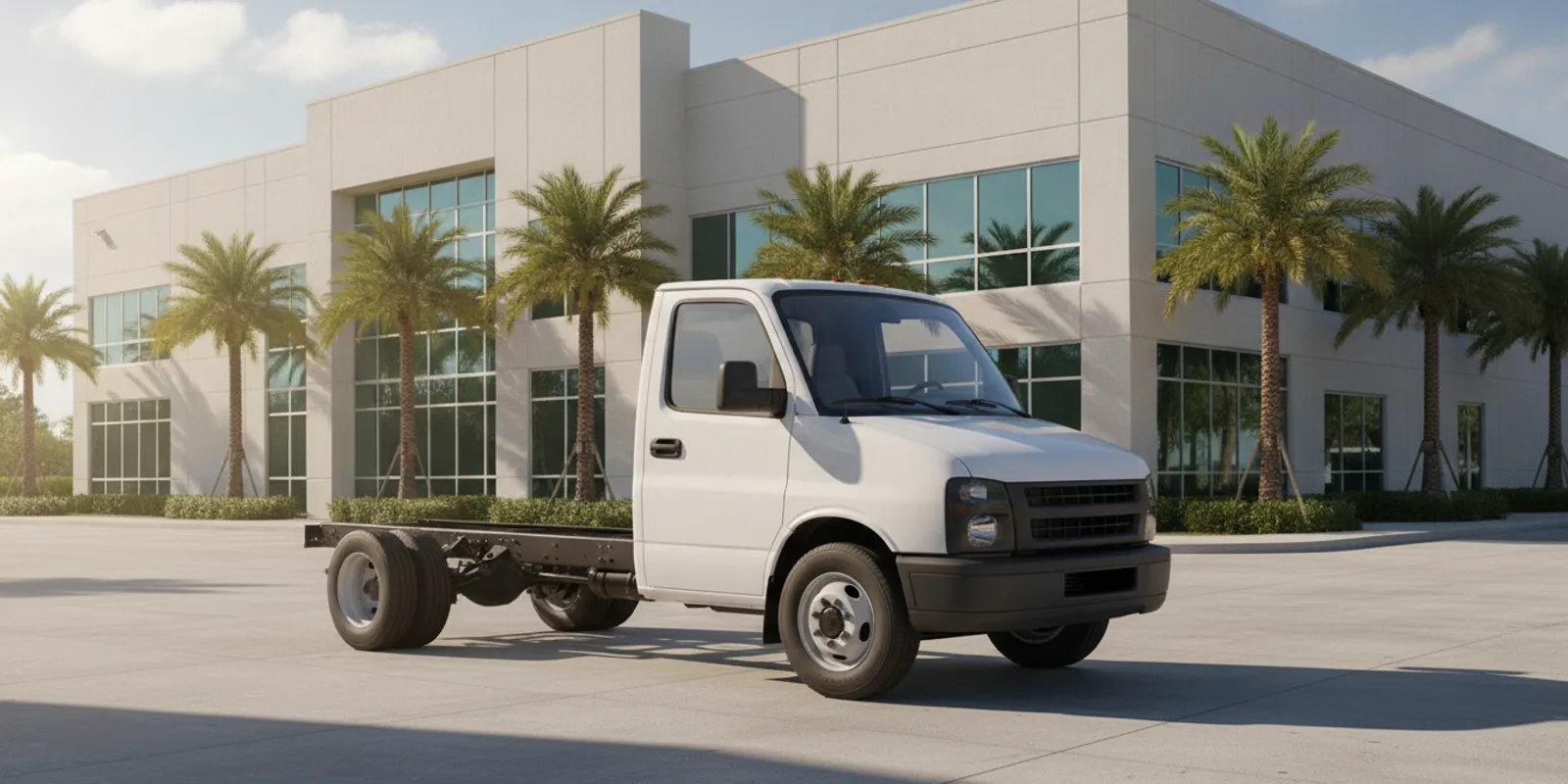
White commercial cutaway van prepared for a business upfit

Cutaway Van for Sale: How to Choose the Right Configuration

Shopping for a cutaway van for sale is not only a matter of choosing the newest chassis or the lowest advertised price. The right truck has to fit the work your business performs every day. Wheelbase, gross vehicle weight rating, payload, body design, and upfit compatibility all affect how well the vehicle carries equipment, protects cargo, and works at the job site. New and used options can both make sense when they are matched to the application. Talk with a commercial truck specialist What is a cutaway van? A cutaway van starts with a van-based cab and chassis. The front portion includes the cab, engine, controls, and front body structure, while the rear is left open for a separate body to be installed. That design gives a business more flexibility than a standard enclosed cargo van. The finished vehicle may become a delivery body, shuttle, service body, box body, or another purpose-built configuration. The chassis is only the starting point. The body, equipment, passengers, tools, fluids, and cargo all contribute to the finished vehicle's weight. That is why a buyer should decide how the truck will be used before comparing stock numbers. A cutaway that works well for light deliveries may not be the right choice for a contractor carrying heavy equipment or for a passenger-focused application. How should you define the work before looking at a cutaway van for sale? Begin with a written description of a normal workday. Note what the vehicle will carry, where it will travel, and how often it will be loaded. Consider both today's needs and realistic growth over the expected ownership period. For example, a delivery operator might record the largest package, number of stops, and whether returns or pickups add weight on the trip home. A maintenance contractor can list the technicians, tools, parts bins, and machines that usually travel together. Body use: Decide whether the truck will support deliveries, service calls, equipment transport, passengers, or a combination of tasks. Payload: List tools, inventory, parts, passengers, fuel, fluids, shelving, lifts, and other equipment that will be on board. Loading: Identify whether workers will load from the rear, curb side, or both sides. Think about ramps, liftgates, doors, and interior access. Travel: Consider tight city streets, parking areas, highways, construction sites, and any route restrictions. Future needs: Leave room for additional shelving, a generator, refrigeration, or other equipment if the business is likely to expand. Translate this list into a short must-have specification and a separate nice-to-have list. That distinction helps avoid paying for dimensions or equipment that do not improve the work. It also gives a dealer a clearer starting point when discussing chassis and body choices. Why does wheelbase matter? Wheelbase is the distance between the front and rear axles. It affects the vehicle's overall length, turning behavior, body length, weight distribution, and available cargo space. A shorter wheelbase may be easier to maneuver in urban areas and crowded job sites. A longer wheelbase can provide room for a larger body or a more useful equipment layout. Wheelbase should be considered with the body dimensions, not by itself. A long body placed too far behind the rear axle can create poor weight distribution. A body that is too short may leave valuable capacity unused. Ask how the proposed body length, rear overhang, door placement, and equipment location work together on the specific chassis. Think about daily access as well. If drivers regularly use narrow streets, small parking lots, or residential driveways, maneuverability may be more important than maximum interior volume. If the truck spends most of its time making scheduled deliveries or carrying bulky equipment, additional body length may be more valuable. Before choosing, compare the complete vehicle length with the actual spaces where it will park, turn, and load; a paper dimension is useful only when it matches the route. What is GVWR, and how does it affect your choice? GVWR means gross vehicle weight rating. It is the maximum allowed operating weight of the completed vehicle, including the chassis, body, passengers, fuel, tools, cargo, and installed equipment. The vehicle should not be configured or loaded beyond that rating. The Federal Motor Carrier Safety Administration explains commercial vehicle weight requirements and related safety rules in its regulations resource; check the rules that apply to your vehicle and operation. GVWR is different from curb weight. The difference between the completed vehicle's empty weight and its GVWR is the practical capacity available for people and cargo. Body construction and upfit equipment reduce that available capacity. A heavy body, liftgate, shelving package, refrigeration unit, or generator can use a meaningful portion of the rating before the first package or tool is loaded. Ask for the expected completed weight, not only the chassis rating. A dealer or upfitter can help review the body specification and intended equipment. You should also confirm that the front and rear axle ratings support the planned load distribution. A vehicle that technically has room on paper may still need careful placement of heavy items. Keep the ratings and the completed weight with your comparison notes, rather than relying on a broad model description. How do you estimate payload? Make a complete payload list before selecting a configuration. Start with the people who will ride in the vehicle. Then add cargo, tools, spare parts, fuel, fluids, racks, shelving, compressors, tanks, liftgates, and any other permanent or temporary equipment. Use the highest normal load rather than an unusually light day. If a service business carries a consistent inventory of parts and tools, include that inventory. If a delivery business returns with unsold goods or collects materials along the route, account for those conditions as well. A small reserve is useful because businesses often add equipment after purchase. For a practical estimate, write down each item and its weight from a label, specification sheet, or measured record where available. Separate permanent equipment from cargo that changes by route, then include the people who may ride together. Add the amounts and compare the total with capacity remaining after the body and installed equipment. If an item's weight is unknown, flag it for confirmation instead of treating it as zero. Repeat the calculation for the heaviest likely shift, not just the average trip. Payload is not just a sales specification. It affects braking, tires, suspension, handling, and the useful life of the vehicle. Overloading can also make the truck harder to control and may reduce room for future changes. The safest comparison is based on the completed vehicle and the actual work it will perform. Which body is right for the job? The body should support the way workers load, secure, and access materials. A delivery body may prioritize enclosed storage and organized shelving. A service body may emphasize exterior compartments and fast access to tools. A shuttle or passenger body may require a different interior layout and seating plan. The best configuration depends on the business process, not a generic label. For a service operation, consider how often technicians need a tool. Frequently used items should be easy to reach without unloading the entire body. For deliveries, measure the largest typical package and review door openings, floor height, and interior clearance. For equipment transport, check ramp angles, tie-down points, and whether the body can accommodate the machine's width and weight. Walk through a normal task in sequence. Where does the worker stand to unload? Can the item needed first be reached without moving everything else? Does the door open fully in the places the vehicle will use? A quick sketch of shelves, bins, equipment, and access paths can expose a poor layout before it becomes a permanent upfit. Body materials also matter: a lighter body may preserve more payload for cargo, while a durable body may be worthwhile for demanding job sites. Ask how it is mounted, how repairs are handled, and whether replacement parts or service support are available. What should you check for upfit compatibility? An upfit is equipment added to the chassis after or during the vehicle build. Examples include shelving, racks, liftgates, refrigeration, partitions, ramps, tool compartments, and specialized service equipment. Before choosing a cutaway van for sale, confirm that the chassis can accept the planned upfit without creating a weight, clearance, or balance problem. Bring the upfitter into the conversation early when the application is specialized. Share the intended body dimensions, equipment weight, power requirements, and access needs. Check mounting points, available electrical capacity, rear axle loading, door clearance, and the effect of the completed body on overall length. It is also useful to ask whether the vehicle is already upfitted or whether the body will be installed after purchase. A ready-to-work truck can save time, but the existing layout must suit the business. A chassis that needs an upfit may provide more control over the final configuration, though the buyer should account for scheduling, installation, and total cost. Request a written list of what is included and what remains to be installed, so equipment gaps do not emerge after delivery. Should you buy new or used? New and used cutaway vans each have practical advantages. New inventory may offer the latest chassis, a clean starting point, and a body selected for the current application. Used inventory may offer a lower purchase price or a completed body that is already suited to the work. Neither choice is automatically better; condition and fit are more important than age alone. Comparison point New cutaway Used cutaway Configuration More opportunity to select chassis and body together Existing body and equipment may shorten the path to work Condition review Review the build specification and upfit quality Review maintenance, wear, damage, and prior use carefully Budget Usually requires a larger initial investment May reduce the initial purchase cost, depending on condition Availability May involve ordering or an available new unit Can provide a faster option when the right truck is in inventory When reviewing a used vehicle, inspect the frame, suspension, tires, brakes, body mounts, doors, floor, wiring, and signs of water intrusion. Ask how the vehicle was used and whether the body or equipment was modified. Review service documentation when available. A professional inspection can help identify concerns that are not obvious during a short walk-around. Operate doors and access panels, look for uneven wear or repairs, and confirm that installed accessories function as expected. When reviewing a new vehicle, confirm the complete build rather than relying on a stock photo or a short description. Ask for the chassis rating, wheelbase, body dimensions, equipment list, and expected completed weight. If comparing configurations, review cutaway model information and search available inventory as part of the process. A listing is a starting point; confirm the specific vehicle's equipment and fit before deciding. What questions should you ask before buying? A focused set of questions can prevent an expensive mismatch. Bring your payload list and describe the routes and job sites the truck will serve. Ask for answers about the finished configuration, not just the base chassis. What is the wheelbase, body length, and overall vehicle length? What are the GVWR and front and rear axle ratings? What is the completed empty weight after the body and equipment are installed? How much payload remains for people, cargo, tools, and future additions? Is the body included, and was it designed for this chassis? Which upfits are already installed, and which would need to be added? For a used truck, what service and ownership records are available? Can the truck be inspected and evaluated for the planned application? Also compare the ownership plan. Ask about service access, parts availability, warranty terms that apply to the specific vehicle, and the expected delivery timeline. If financing is part of the purchase, review the complete terms rather than comparing only the monthly payment. Tri-County's commercial vehicle financing resources can be a starting point for that conversation. How can you compare two cutaway configurations? Put both vehicles on the same worksheet. Record wheelbase, GVWR, completed empty weight, estimated payload, body dimensions, equipment, mileage if used, and known service needs. Then score each vehicle against the actual job: loading, maneuverability, access, capacity, and ability to support future equipment. For instance, one option may have a shorter body and easier access in crowded delivery areas, while another offers room for additional shelving. Ask which difference changes a workday and which merely looks appealing in a listing. Mark each item as essential, beneficial, or unnecessary, then note any cost or installation work still required. This makes tradeoffs visible and helps a buyer explain the decision to other people involved in the purchase. Do not let a lower price hide a poor fit. A truck that cannot carry the normal load may require an early replacement. A configuration with unnecessary length or equipment may tie up money without improving productivity. The best value is the vehicle that supports the work reliably while leaving a sensible margin for changing needs. Schedule a test drive What is the next step when you find a cutaway van for sale? Bring your work description, payload list, and preferred body use to the dealership. Review the chassis and upfit together, confirm the ratings, and inspect the finished vehicle before committing. With the right questions, you can choose a cutaway van that fits the job now and remains useful as your business grows.

Lineup of Isuzu commercial truck models.

Isuzu commercial truck models and specifications: By Class

When you’re comparing commercial trucks, the numbers on a spec sheet can feel disconnected from the work you actually do. The key is knowing which figures affect your crew, cargo, routes, and equipment. Isuzu commercial truck models and specifications offer a starting point for comparing light-, medium-, and heavy-duty options, but model names and features can vary by market. You’ll also want to compare Chevrolet and Hino trucks in similar configurations. This guide breaks down the ratings and features that matter, from payload and axle capacity to engine output, towing, body options, and service support, helping you build a practical shortlist for your business. Key Takeaways Match the truck class to the job: Compare Isuzu’s light-, medium-, and heavy-duty options against your loads, routes, and work sites. Verify the finished truck’s ratings: Include the body, equipment, crew, cargo, and trailer when checking payload, axle limits, and towing capacity. Compare ownership needs before choosing: Review local specifications, upfit compatibility, service access, maintenance, and warranty with a commercial truck specialist. Which Isuzu Commercial Truck Classes Are Available? Isuzu’s commercial truck lineup covers light-, medium-, and heavy-duty work. The right class depends on what your business needs to carry, where you drive, and which body or equipment the truck must support. A landscaping crew working on residential streets, for example, may prioritize maneuverability and room for tools. A construction contractor hauling heavier loads may need a truck with a different chassis, axle capacity, and body setup. Isuzu uses the ELF, FORWARD, and GIGA names in Japan. In some other markets, the corresponding lines are known as the N-Series, F-Series, and C&E Series. These names describe broad truck classes, but they do not guarantee that models have identical specifications in every country. Check the Isuzu truck lineup for an overview, then confirm details with a local dealer. As you compare classes, look beyond the model name. Review the ratings for the specific cab, chassis, wheelbase, powertrain, and body configuration you plan to use. Include the weight of the body, equipment, materials, and crew when estimating payload. If you tow a trailer, confirm the ratings for the truck and trailer combination as well. These checks help you shortlist trucks that fit your daily work before you compare individual specifications. ELF/N-Series: Light-duty trucks for urban deliveries, landscaping, and maintenance The ELF/N-Series is Isuzu’s light-duty line, designed for applications such as urban delivery, landscaping, and maintenance. Its compact format can be useful for businesses that make frequent stops, work on narrow streets, or visit tight job sites. Depending on local availability, cab and chassis options can support different commercial bodies and equipment. Compare the rated weight, wheelbase, cab, and payload for the exact model you are considering. A body, liftgate, shelves, tools, materials, and crew all count toward the truck’s working load. Consider the access conditions on your regular routes, too, including parking, turning space, and job-site entrances. For an overview of the ELF line, Isuzu’s commercial truck range outlines its intended role. Confirm local ratings and available configurations with a dealer before choosing an upfit. FORWARD/F-Series: Medium-duty trucks for regional hauling and vocational work The FORWARD/F-Series is Isuzu’s medium-duty line. It may suit regional hauling, inner-city delivery, construction, and other vocational work where a business needs a different capacity or body setup than a light-duty truck provides. Depending on the local lineup, available builds may include box bodies, flatbeds, dumps, and other work-focused configurations. Compare payload and axle ratings along with wheelbase, engine output, transmission, and suspension. These specifications affect how the truck carries its load and performs on your routes. Isuzu lists some FORWARD/F-Series configurations with four-bag air suspension, which is designed to support ride comfort and load stability. Availability varies, so check the official Isuzu truck information and verify the exact equipment with a local dealer. Recalculate payload after selecting the body and adding tools or other work equipment. GIGA/C&E Series: Heavy-duty trucks for high-capacity transport and demanding loads The GIGA/C&E Series covers Isuzu’s heavy-duty applications. Businesses moving high-capacity loads or working in demanding conditions may consider this class for heavy hauling and specialized commercial jobs. The right configuration depends on the work, including the load, route, chassis, driveline, axles, body, and any trailer the truck will tow. For a specific model, review engine output, torque, transmission, gearing, axle capacity, and gross combination ratings. Match these figures to your regular work and local requirements, rather than relying only on a model name or general class description. Also ask about emissions rules, legal weight limits, safety features, and service support in your area. Isuzu lists options such as four-bag air suspension and visual support technology in some markets. Check the GIGA/C&E range and confirm which features are offered on the truck you plan to buy. Check model names, specs, and availability in your market Isuzu model names, ratings, powertrains, safety features, and body options can vary by market. A truck sold as an N-Series in one country may not have the same specifications as an ELF with a similar name elsewhere. Start with local product information, and verify the model year and vehicle configuration before comparing trucks. Ask a local commercial truck dealer to confirm gross vehicle weight rating, axle ratings, payload, towing capacity, and available upfits for the exact build. If you need a specialized body or mounted equipment, discuss it before selecting the chassis. The completed truck must stay within its ratings once the body, tools, materials, and crew are included. Reviewing your typical loads, routes, job-site access, and service needs with a truck specialist can help you narrow the options to models that fit the work. Which Specs Matter Across Isuzu Truck Models? A model name alone won’t tell you whether a truck is right for your work. Compare the full configuration, including weight ratings, chassis dimensions, engine, drivetrain, body, and equipment. A landscaper hauling mowers and materials, for example, has different needs from a mover carrying household goods or a contractor towing a work trailer. Specs can also vary by model year and market, so verify the exact figures for the truck you’re considering. Compare GVWR, axle ratings, wheelbase, payload, and body dimensions Start with gross vehicle weight rating (GVWR), the maximum permitted weight of the loaded truck. Check front and rear axle ratings as well, since cargo and installed equipment must stay within both limits. Wheelbase affects turning space and which bodies can fit. Body length, width, and height matter for loading areas, parking, and access to tight job sites. Payload depends on the truck’s configuration, and it changes when you add a body, liftgate, tool storage, or other equipment. Isuzu’s 4x4 truck range shows that weight classes vary across configurations. Use the rating plate and documentation for the specific truck to confirm its limits. Review engine, horsepower, torque, transmission, and drive configuration Horsepower and torque describe engine output, but they don’t tell the whole story. Consider how the power is delivered, the transmission gearing, and whether the drivetrain suits your usual routes and loads. A truck carrying supplies on paved roads has different demands from one hauling equipment over steep or uneven ground. Compare the specifications for the exact model, rather than assuming every truck in a series has the same setup. Drive configuration matters, too. Isuzu’s 4x4 model specifications list the NPS75 with part-time all-wheel drive and the FTS34 with full-time all-wheel drive. Those details can vary by market, so confirm the transmission, transfer case, and differential equipment on the truck you plan to buy. Calculate working payload with the body, equipment, crew, and materials To estimate working payload, account for everything the truck will carry. Include the body, passengers, tools, racks, fuel, materials, and permanently installed equipment. A landscaping crew may carry mowers and supplies, while a window installer may need glass racks and protective gear. Every item takes up part of the truck’s available capacity. Ask the dealer or body builder for the completed truck’s weight, not just the bare-chassis figure. Isuzu describes the NPS as a platform suited to aftermarket modifications, but additions change the finished truck’s weight and payload. This NPS/NQS 4x4 review discusses the NPS’s adaptability. Before putting the truck to work, verify its finished weight and axle loads. Confirm towing capacity and gross combination ratings for your configuration If you plan to tow, check more than the truck’s maximum towing figure. Confirm the gross combination mass or rating (GCM or GCWR), which limits the combined weight of the loaded truck and trailer. Also check the tow rating, hitch rating, trailer brake requirements, and any limits tied to the engine, transmission, or axle setup. Published figures may apply only to a specific configuration. For example, a review of the Isuzu NPS 75-175 4x4 gives a 4,500-kilogram towing capacity for the manual-only model. Don’t assume that rating applies to every NPS. Check the owner’s manual and local regulations before towing. Check upfit compatibility, safety features, emissions rules, and local requirements Before choosing a body or equipment package, confirm that it fits the chassis and keeps the truck within its vehicle and axle ratings. Discuss body length, mounting points, electrical connections, weight distribution, and modifications with a qualified upfitter. This matters for dump bodies, cranes, liftgates, and specialized racks, where the completed setup must suit both the work and the truck’s approved limits. Review safety equipment and emissions compliance for the specific model year and market. Features and rules differ by location, so check what comes standard and what’s available as an option. Isuzu lists safety and environmental performance among its truck development priorities. Before finalizing a configuration, ask a commercial truck specialist to check local licensing, registration, inspection, and emissions requirements. What Does the ELF/N-Series Offer for Light-Duty Work? The Isuzu ELF, known as the N-Series in many markets, is a light-duty truck platform with configurations for a range of commercial jobs. Landscapers, movers, window installers, haulers, and maintenance crews can compare chassis ratings, wheelbases, cab options, and body styles to find a setup that fits their work. The right choice depends on the loads you carry, the routes you drive, and the space available at your job sites. Isuzu places the ELF in its light-duty truck range, alongside the medium-duty FORWARD and heavy-duty GIGA. Model names and specifications vary by country and model year, so check the exact version available locally rather than relying on the family name alone. Start with your expected day-to-day load, then account for the body, crew, tools, materials, and any added equipment. A truck for residential landscaping may need different dimensions and storage from one used for moving jobs or window installation. Confirm the completed truck’s ratings with your dealer or body builder before making a decision. That way, you can compare configurations based on the work they’ll actually do. Compare chassis ratings, wheelbases, cab options, engines, and transmissions Check the chassis rating first, then confirm how much capacity remains after the body and equipment are installed. Compare wheelbase and cab options, too. A shorter wheelbase may suit tight streets and compact job sites, while a longer one may provide room for a larger body. Cab styles and seating capacity differ by market, so verify the specific configuration you’re considering. Engine output and transmission should match your routes and loads. Think about frequent stops, steep roads, highway driving, and whether the truck will often operate fully loaded. Ask your dealer for the local specification sheet, including axle ratings and transmission choices. Comparing those details helps you select a truck for your actual workload, rather than choosing by model name alone. Consider cab-forward design and maneuverability on urban routes and tight job sites The N-Series cab-forward layout places the cab over the front axle, helping provide a compact footprint for a commercial truck. This can be useful on narrow streets, in crowded service areas, or at job sites where turning and parking space is limited. Landscapers and maintenance crews may value easier access between stops, while contractors and window installers can assess how the truck’s dimensions fit their regular work locations. The finished truck’s maneuverability depends on more than cab design. Wheelbase, body length, mirrors, load placement, and turning characteristics all play a part. Measure entrances, loading areas, and parking spaces along your regular routes. If possible, test-drive a truck with a similar wheelbase and body to the configuration you’re considering, and confirm its dimensions with your dealer. Match body styles and payload to delivery, landscaping, window installation, and contractor work Choose a body that supports your daily tasks. A box body can protect moving or delivery loads from weather. A flatbed can make it easier to load bulky materials and equipment, while a landscape body may suit crews carrying tools and supplies. Window installers should plan for secure glass storage and room for installation gear. Contractors may need a combination of material space, tool storage, and specialized equipment. Then calculate working payload, including the body, racks, liftgate, toolboxes, crew, tools, and materials. Every addition uses some of the truck’s capacity. Ask the dealer or body builder to confirm the finished vehicle’s weight, ratings, and compatibility with the chosen chassis. This check helps ensure the body and equipment suit both the work and the truck. Check model-specific safety and driver-assistance features in your market Safety equipment can vary by model, model year, and market. Ask which features come standard, which are optional, and whether they’re compatible with your planned body and equipment. Depending on the local configuration, equipment may include anti-lock braking, stability control, automatic lighting, or driver-assistance systems. Consider everyday visibility and access as well. Mirror placement, cab entry, seat adjustment, and the availability of cameras or sensors can make a difference during frequent stops and busy job-site maneuvers. Isuzu’s Australian NPS and NQS safety update describes features for specific models in that market. Use it as an example, not as a specification for every ELF or N-Series truck. Request the equipment list for your local model. Ask about ELF EV availability, range, charging, and route suitability If you’re considering an electric light-duty truck, first ask whether the ELF EV is available in your market and what configurations can be ordered. Isuzu describes the ELF EV as a light-duty electric truck, but availability, specifications, and support vary by region. Compare payload and body options alongside range so you can assess the complete working vehicle. Estimate your daily mileage using real routes and loads, including stops, traffic, hills, and tools or materials on board. Check charging time, charger access at your base, and whether your schedule allows for charging between shifts. Predictable local routes may be a practical fit for an electric truck, but the details matter. Ask a local Isuzu dealer for current specifications and guidance on charging for your planned use. How Does the FORWARD/F-Series Fit Medium-Duty Work? The Isuzu FORWARD, called the F-Series in some markets, is designed for work that needs more capacity than a light-duty truck can provide. Depending on the local model and configuration, it may suit regional hauling, construction support, urban delivery, and other vocational jobs. Isuzu’s global truck lineup shows the range of available truck types, but specifications and options vary by market. To find the right fit, assess the truck as a complete working vehicle. Match its ratings and chassis to the body, equipment, route, and heaviest loads you expect to carry. A commercial truck specialist can help verify the specifications for your area. Compare payload, axle ratings, engine output, torque, and chassis dimensions Start with gross vehicle weight rating (GVWR), axle ratings, and wheelbase. GVWR sets the maximum permitted weight of the loaded truck, while axle ratings limit the weight each axle can carry. Wheelbase and chassis dimensions affect body fit, maneuverability, and how weight is distributed. Then consider engine output and torque alongside transmission gearing, drive configuration, and the loads and routes you expect. Horsepower can matter when maintaining speed, while torque helps move a loaded truck and climb grades. No single figure tells the whole story. Check the specifications for the exact model, then confirm that the planned body and cargo stay within the truck’s GVWR and each axle rating. Review cab, transmission, and suspension options for your routes and loads Choose a cab that works for your crew and daily schedule. Consider passenger space, visibility, storage, and how often drivers need to get in and out. A shorter configuration may be easier to maneuver on tight streets or job sites, while cab comfort and storage can matter more on longer regional routes. Match the transmission and suspension to the route and cargo, too. Frequent stops and starts place different demands on a truck than steady highway travel or rough access roads. FORWARD/F-Series options vary by market, and select configurations may offer air suspension. Ask a dealer which cab, transmission, and suspension choices are available locally, and which ones suit your typical loads and operating conditions. Consider box, flatbed, dump, and other vocational bodies Choose the body based on the work you do most. A box body can protect deliveries from weather, while a flatbed can carry equipment, building materials, or landscaping supplies. A dump body may suit construction, aggregate, and hauling work. Other vocational bodies may be available for specialized jobs, depending on the chassis and local options. Before selecting a body, check its weight and dimensions, how it will be loaded, and how often you need to reach tools or materials. Think about where the truck will operate, too: a longer body may provide more room but can be harder to maneuver on narrow streets or compact sites. Confirm chassis compatibility and body-builder requirements with a commercial truck specialist before ordering an upfit. Recalculate payload after installing the body and work equipment A chassis payload figure does not necessarily tell you how much the finished truck can carry. The body and equipment add weight, as do fuel, the driver, crew, tools, and supplies. Ask the dealer or upfitter for the completed truck’s weight, then calculate the remaining capacity against the GVWR. Also confirm that the load stays within each axle rating. Use a realistic, fully equipped workday for your estimate. A landscaper should include the crew, tools, and materials; a window installer should account for glass racks, equipment, and passengers. If the truck will tow, check the applicable combination rating as well. Confirm the final figures and local weight requirements before putting the vehicle to work. What Should You Know About GIGA/C&E Heavy-Duty Trucks? Isuzu GIGA/C&E trucks are designed for heavy-duty transport, including construction hauling, long-distance freight, and tractor-trailer work. For contractors and haulers, choosing the right truck means looking beyond engine size. Axle ratings, transmission, gearing, chassis layout, and the body all affect how the vehicle handles its daily load. Start by listing what the truck needs to carry or tow, including the body, equipment, crew, and materials. Then consider where it will operate: highway routes, steep grades, busy urban roads, or rough job sites can call for different configurations. A truck that works well on a long-haul route may not be the best fit for frequent starts, stops, and loading at construction sites. Model names and specifications vary by market. Isuzu’s global truck lineup offers an overview, but a local dealer can confirm which GIGA/C&E models are available and provide specifications for the exact configuration. Ask for details on engine output, transmission, axle ratings, payload, and gross combination mass (GCM), where applicable. Use those figures to compare trucks against your work and local requirements. Compare engine output, torque, transmission, gearing, and axle capacity Horsepower and torque can help you understand an engine’s potential, but the transmission and axle gearing also shape how a heavy truck performs. Together, these components affect acceleration under load, hill climbing, and engine speed during highway driving. Ask a commercial truck specialist to explain how the available setup matches your typical routes and loaded weight. Check the axle ratings, too, and make sure they suit the planned body, equipment, and cargo. An engine capable of moving a heavy load does not change the truck’s legal axle limits. If your work involves steep roads, frequent stops, or sustained highway travel, discuss those conditions before selecting a configuration. Review cab, chassis, driveline, and heavy-duty body options Review the cab, chassis, and driveline as a complete working setup. Depending on local availability, GIGA/C&E trucks may be configured for hauling or tractor applications. Compare cab visibility and space, wheelbase, frame dimensions, drive layout, and suspension to the conditions your drivers face each day. Confirm that the chassis can accommodate the body you need, such as a flatbed, dump body, tanker, or specialized equipment. The body and accessories add weight and affect how much payload remains, so include them in your calculations. Share your intended use and body requirements with the dealer or upfitter before ordering. This gives them a chance to check fit and weight distribution before the truck enters service. Confirm gross combination ratings and towing capacity for your work If the truck will tow, confirm the approved combination weight and towing limits for the exact configuration. Gross combination mass (GCM) is the permitted combined weight of the truck, trailer, occupants, cargo, and equipment. The applicable rating can depend on the model, axle setup, coupling equipment, and local regulations. Don’t estimate towing capacity from engine output alone. Check the manufacturer’s specifications and the ratings of the installed towing equipment, then make sure the truck, trailer, and load stay within every applicable limit. If your work involves different trailers or changing cargo, ask a specialist to review the weights and recommend a suitable setup before you put the vehicle to work. Check emissions rules, load limits, safety features, and service needs Confirm that the truck’s emissions certification meets the rules where it will be registered and operated. Requirements can differ by location and may affect where the vehicle can work. Check licensing and registration rules as well, particularly if you’ll carry heavy loads or tow a trailer. Verify the permitted weight for the truck, each axle, and the full combination. Then ask which safety features are included on the specific model, since equipment can vary by market and configuration. Before making a decision, review service intervals, warranty coverage, parts availability, and access to technicians familiar with the truck. A practical maintenance plan helps you plan for service and reduce avoidable disruption to the work schedule. How Do the NPS75 and FTS34 4x4 Models Compare? The NPS75 and FTS34 are both Isuzu 4x4 trucks, but they’re built for different weight classes and work demands. The NPS75 has a 6-ton gross vehicle weight (GVW) and a shorter wheelbase. The FTS34 has a 13-ton GVW, a larger engine, and higher horsepower and torque. Those differences can help you narrow your options if you’re choosing a truck for landscaping, construction, hauling, or work at remote sites. GVW is the maximum permitted weight of the truck and its load, not the amount of cargo it can carry. To estimate working payload, subtract the completed truck’s tare weight from its rated limit. Include the body, accessories, crew, tools, and materials in that calculation. The final payload depends on the local configuration and the equipment you install. A 4x4 badge also doesn’t tell you everything about the drivetrain. Part-time and full-time four-wheel drive work differently, and features such as low range and differential locks can vary by configuration. Use Isuzu’s 4x4 model information as a starting point, then ask a local dealer to confirm the specifications for the truck available in your market. Compare rated weight, payload, wheelbase, engine, horsepower, and torque The NPS75 has a 6-ton GVW, a 3,395 mm wheelbase, and a 5,193 cc 4HK1-TCN engine. It produces 110 kW (150 hp) at 2,600 rpm and 404 Nm of torque at 1,500–2,600 rpm. The FTS34 has a 13-ton GVW and a 4,250 mm wheelbase. Its 7,790 cc 6HK1-TCN engine delivers 177 kW (240 hp) at 2,400 rpm and 706 Nm at 1,450 rpm. These figures show the FTS34’s greater rated weight and engine output, but they don’t establish how much payload either truck can carry. Ask for the tare weight of the specific chassis and body you’re considering. Then account for the crew, tools, and materials you expect to carry. Model specifications can vary by market, so confirm the local figures with a dealer. Review transmission, transfer case, low range, and differential-lock equipment The listed NPS75 configuration uses part-time 4x4, with a limited-slip differential and a button-operated switch between 4x2 and 4x4. The FTS34 is listed with full-time 4x4 and a rear differential lock. These details offer a useful starting point, but they don’t confirm every transmission or drivetrain feature available in your area. Ask the dealer to identify the transmission, transfer case, low-range gearing, and differential equipment on the exact truck. Low range can help maintain control at low speeds on steep or uneven terrain. A differential lock can help improve traction when a wheel loses grip. Check the vehicle’s operating instructions, too, since the correct use of four-wheel drive depends on the system and surface. Check whether your local configuration uses part-time or full-time 4x4 The specifications provided describe the NPS75 as part-time 4x4 and the FTS34 as full-time 4x4. With part-time four-wheel drive, the driver selects 4x4 when conditions call for extra traction. Full-time four-wheel drive is designed to send drive to all four wheels continuously, following the system’s operating instructions. Equipment can differ by country, model year, and trim. Don’t assume that every truck carrying the NPS75 or FTS34 name has the same setup as an international brochure model. Ask your local Isuzu dealer to confirm the drivetrain in writing, including whether the truck has a transfer case, low range, and differential lock. Isuzu’s 4x4 model information can help you prepare specific questions before you compare vehicles. Compare the NPS75’s lighter-duty flexibility with the FTS34’s greater capacity The NPS75’s lower GVW and shorter wheelbase may suit jobs where a more compact 4x4 truck is a practical choice. Depending on its completed body and payload, it could work for maintenance crews, landscapers, and contractors who need to reach rough sites without carrying the heaviest loads. Check the finished truck’s dimensions and payload before choosing a body or adding equipment. The FTS34’s higher GVW, larger engine, and greater torque make it a candidate for heavier-duty work. Its capacity may be useful when a job calls for substantial equipment or materials, but you’ll still need to account for legal load limits, access conditions, and operating costs. Compare both models against your typical loads and routes, rather than choosing on engine output alone. Match each model to your terrain, equipment, and remote-site access needs Start with the conditions your truck faces: paved roads, gravel, mud, steep grades, uneven job sites, or remote locations. Then estimate the weight of the body, tools, materials, and crew you’ll carry. The NPS75 may fit work where a lighter truck and access to tighter sites are priorities. The FTS34 may suit jobs that call for greater rated capacity and more power. Check the wheelbase and overall dimensions against your routes, turning areas, and work sites. Ask whether your chosen body or equipment will affect ground clearance, axle loading, or access over uneven terrain. For remote jobs, consider how easily you can arrange servicing and parts support along your usual routes. A commercial truck specialist can help match the configuration to the conditions you encounter. Confirm ground clearance, towing ratings, and drivetrain specs in your market Don’t estimate ground clearance or towing capacity from GVW, engine size, or model name. Ratings depend on the exact truck configuration. Towing limits can also depend on the trailer, hitch, load distribution, and local regulations. Ask for the specification sheet for the complete vehicle, then check that its ratings meet the demands of your work. Before ordering, confirm ground clearance, axle ratings, tire specifications, gross combination rating, and approved towing equipment. Ask whether quoted figures apply to the bare chassis or the truck with its intended body and accessories. Review Isuzu’s 4x4 model details alongside the local vehicle documentation, and have a commercial truck specialist verify that the final setup meets your operating and registration requirements. How Do Isuzu Trucks Compare on Performance and Ownership Costs? An Isuzu truck’s performance and ownership costs depend on how well its engine, gearing, chassis, and body match your work. A truck that handles landscaping supplies and local service calls may not be the right fit for hauling heavy equipment or making long regional trips. Start with your typical and maximum loads, routes, annual mileage, and job-site conditions. Then compare Isuzu models with Chevrolet and Hino trucks configured for the same tasks. Isuzu offers trucks across light-, medium-, and heavy-duty classes, with different models intended for different types of work. Its truck lineup gives an overview of those classes, but model names and specifications vary by market. Confirm the ratings and equipment available in your area before comparing prices or performance. Look at the complete working truck, not just its engine or purchase price. The body, tools, crew, and materials all affect payload and fuel use. Include scheduled maintenance, repairs, upfitting, warranty coverage, and potential downtime in your ownership estimate. A commercial truck specialist can help check that a proposed configuration fits your loads, towing needs, licensing requirements, and service plan. Compare engine output, gearing, payload, and intended duty Horsepower and torque offer useful clues about engine performance, but they don’t show how a truck will handle every load or route. Transmission, axle ratios, drive configuration, and loaded weight also matter. Frequent stops with a full load place different demands on a truck than steady highway driving. Begin with the work the truck will do most often. Compare engine output and gearing alongside GVWR, axle ratings, and payload. Then subtract the weight of the body, equipment, crew, and materials to estimate the capacity left for your load. A larger truck may provide more capacity than your work requires, while a smaller one may be overloaded once it’s fully equipped. Check specifications for the exact model year and configuration, since ratings and available equipment can differ across markets. Assess fuel use across similar loads, routes, bodies, and driving conditions Fuel comparisons are most useful when trucks are doing similar work. A lightly loaded box truck making short city stops is not a fair comparison with a flatbed hauling equipment over hilly roads. Body style, payload, traffic, terrain, route length, and driving habits all affect fuel use. Whenever possible, review fuel records from trucks operating on routes like yours. Track several fill-ups and note the load and driving conditions for each period. When comparing Isuzu, Chevrolet, and Hino, match the trucks by duty class, body, and typical load. Isuzu emphasizes operating economy across its truck range, but your results will depend on the specific configuration and job. Ask a dealer or fleet manager for real-world figures from comparable vehicles, and treat estimates as a starting point rather than a guarantee. Evaluate reliability through service history, maintenance needs, and parts support Service records can tell you more about a used truck’s condition than its appearance alone. Review maintenance logs, inspection reports, and repair invoices. Ask about recurring problems and whether major components have been repaired or replaced. If records are incomplete, arrange an inspection by a qualified commercial truck technician before committing. For a new truck, compare maintenance schedules, warranty terms, and access to service and parts where you work. A truck that requires long trips for routine service can take more time out of your workweek. Ask the dealer how often the truck needs scheduled maintenance, what common services cost, and how quickly parts are typically available. Also consider whether local technicians are familiar with the model. Reliability is shaped by the truck itself, how it has been maintained, and the service support you can access. Compare like-for-like specs across truck brands To compare an Isuzu with a Chevrolet or Hino, first choose trucks intended for the same job. Match duty class, cab style, wheelbase, engine, transmission, drive configuration, and body type. Then compare GVWR, axle ratings, payload, towing capacity, and gross combination rating where applicable. Use specifications for the exact model year and local configuration. Similar model names can refer to different equipment or ratings across markets. Include safety features, emissions requirements, service intervals, and warranty coverage in your review. Manufacturer sites can help you check available models, including Chevrolet commercial trucks and Isuzu’s truck range. Ask a dealer to confirm the ratings for the specific chassis and body you’re considering, rather than relying on a general brochure figure. Account for purchase price, fuel, maintenance, upfitting, warranty, and downtime The purchase price is only one part of owning a work truck. Estimate fuel, scheduled maintenance, repairs, insurance, registration, and financing costs over the time you expect to keep it. Add the body and upfitting required for your work, such as a dump body, liftgate, tool storage, or racks. These additions affect the total cost and reduce the payload available for materials and equipment. Ask dealers to prepare written estimates using the same equipment and ownership period. Review what the warranty covers, where you can get service, and how repairs may affect your schedule. If a truck is off the road, missed jobs or a rental vehicle can add to the cost. Some chassis may also require more time or expense to adapt to a specialized body. Compare the estimated total cost with the truck’s ability to handle your regular loads and routes, not just its advertised price. How Can You Choose the Right Isuzu Model and Configuration? Choose a truck based on the work it needs to handle every day, not just its model name or advertised payload. A landscaper carrying a crew, mowers, and soil has different requirements from a window installer transporting glass racks or a mover towing a loaded trailer. Start by listing your loads, routes, body needs, and operating requirements, then compare configurations that fit those details. Isuzu’s trucks are offered in different duty classes, with cab, suspension, and powertrain options that vary by application and market. The Isuzu truck lineup is a useful starting point, but published specifications are only part of the decision. The final body and equipment can change a truck’s weight and available payload, while local rules may affect licensing, registration, and towing. Before speaking with a dealer, gather a few practical details: what the truck carries on a typical day, its heaviest realistic load, expected annual mileage, and the conditions it will encounter. Include tools, crew, materials, accessories, and trailers in your estimates. With that information, you can compare trucks on the basis of your actual work and ask a commercial truck specialist to confirm the complete configuration. Define typical and maximum loads, including tools, crew, and materials List everything the truck may carry: driver and crew, tools, ladders, racks, fuel, materials, and equipment mounted to the chassis. Estimate both a typical workday and the heaviest realistic load. A painter may carry ladders and supplies, while a landscaper might need room for a mower, soil, and a full crew. Account for the body and accessories before relying on a payload figure. A dump body, liftgate, toolbox, or glass rack adds weight, leaving less capacity for cargo. Check axle ratings too, since a load may exceed an axle limit even when the truck’s total weight is within its rating. If your workload changes from day to day, use your maximum expected load when comparing configurations. Map annual mileage, routes, terrain, and job-site access Estimate annual mileage and note where the truck will travel most often. Urban routes with frequent stops, narrow streets, and crowded job sites call for different considerations than long highway runs or rough access roads. Record steep grades, unpaved surfaces, tight turns, low clearances, and places where parking or reversing may be difficult. Use this information to compare wheelbases, cab layouts, drivetrains, and suspension options. A shorter wheelbase may be easier to maneuver in tight spaces, while rough or steep routes may call for a driveline suited to those conditions. Write down typical trip distances and daily stops, then review them with a truck specialist. The best fit depends on your routes, workload, and job-site access. Choose the cab, wheelbase, body, and driveline before confirming payload Decide what body and equipment the work requires before settling on a payload figure. A box body, flatbed, dump body, service body, or specialized rack can change the truck’s weight and dimensions. Then consider how much cab space your crew needs, what wheelbase works for the body and routes, and which driveline suits the terrain. Ask the dealer or body builder to confirm that the chassis can support the planned upfit. Calculate the final payload with the body, accessories, occupants, and cargo included. Isuzu’s truck configurations vary by application and market, so compare specifications for the exact model and setup you’re considering, rather than relying on a model name alone. Check licensing, registration, towing, and upfit requirements Before ordering, confirm that the truck’s ratings and finished configuration meet local requirements. Check licensing and registration rules, weight limits, and any permits needed for your work. If you plan to tow, verify the towing capacity and gross combination rating for the specific configuration. Include the trailer, its cargo, and hitch equipment in your calculations. An upfit can affect vehicle weight, axle loads, dimensions, lighting, and safety equipment. Ask the dealer and body builder to confirm compatibility and provide documentation for the completed vehicle. Rules vary by location, so check with your local motor vehicle authority and insurer. Isuzu NPS configurations, for example, may include features such as electronic stability control and towing capability, but specifications differ by model year and market. Review the NPS and NQS model details and confirm the ratings for the truck available in your area. Review specs and the service plan with a commercial truck specialist Once you have a shortlist, ask a commercial truck specialist to compare each configuration with your loads and routes. Bring your payload estimates, body and equipment list, annual mileage, towing needs, and typical job-site conditions. Ask them to verify chassis and axle ratings, payload after upfitting, driveline suitability, and applicable safety or emissions requirements. Discuss the service schedule, warranty coverage, parts availability, and maintenance support near the areas where you work. Ask how routine service can fit around busy periods and what support is available if the truck needs repairs. Before finalizing a purchase, request the recommended configuration and its key ratings in writing. Frequently Asked Questions What’s the difference between Isuzu ELF, FORWARD, and GIGA trucks? They represent Isuzu’s light-, medium-, and heavy-duty truck lines. Names and specifications vary by country, so check the local model details and the exact chassis configuration before comparing options. How do I know which Isuzu truck class suits my business? Start with your heaviest expected load, the body and equipment you need, and the routes you drive. Consider job-site access and whether you’ll tow. A commercial truck specialist can help match those needs to a truck’s ratings and available configurations. Does the advertised payload include the truck body and work equipment? Not always. A body, liftgate, racks, tools, fuel, and passengers all contribute to the truck’s weight. Ask for the completed vehicle’s weight, then confirm the remaining payload and axle loads against the truck’s ratings. Are Isuzu truck specifications the same in every market? No. Model names, engines, drivetrains, safety features, and weight ratings can differ by location and model year. Ask a local dealer for the specification sheet for the exact truck you plan to buy. Can a dealer help compare Isuzu with Chevrolet or Hino trucks? Yes. For a useful comparison, review trucks intended for the same work and equipped with similar bodies. Compare payload, axle ratings, towing limits, service needs, warranty coverage, and total ownership costs.