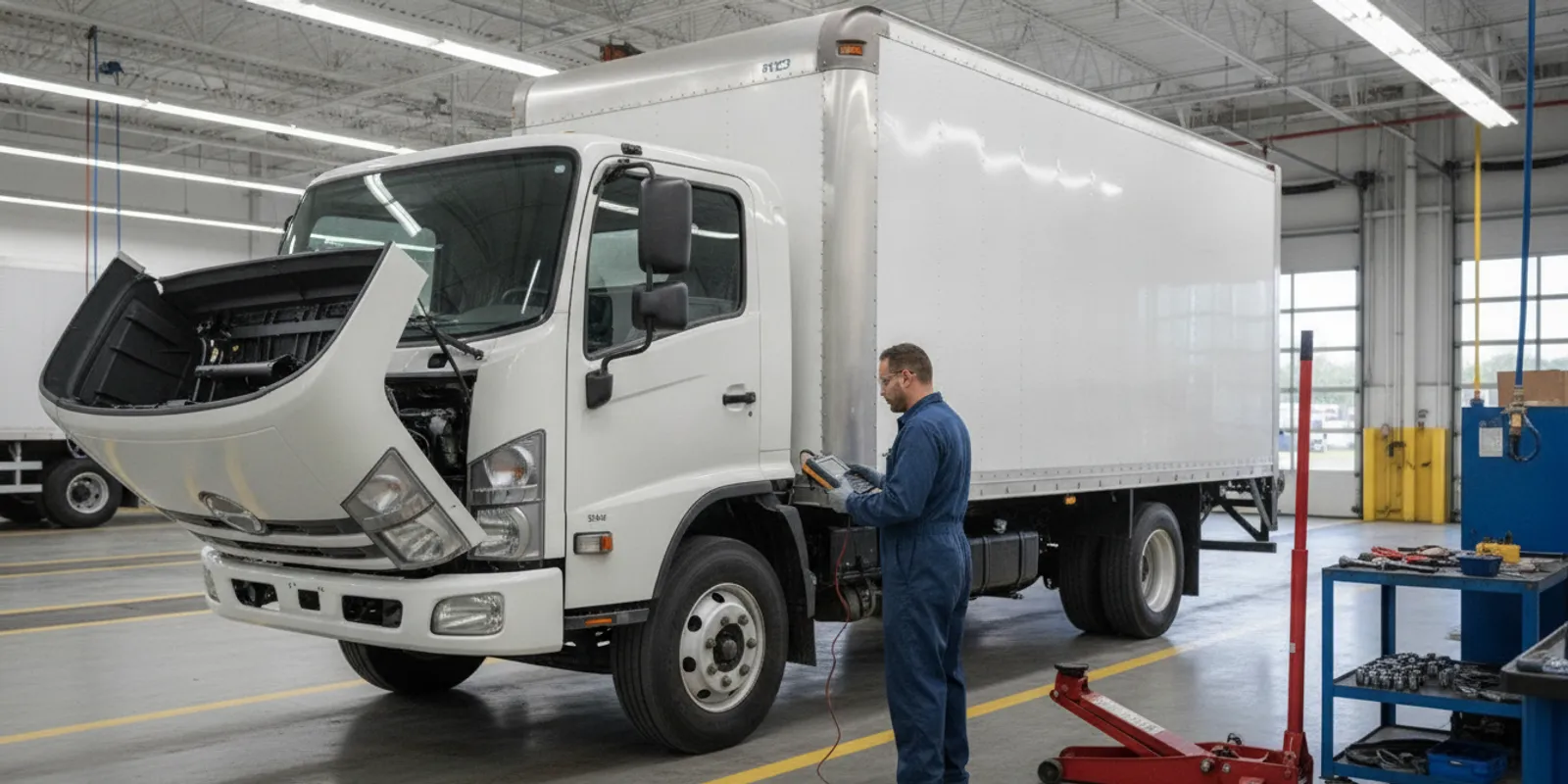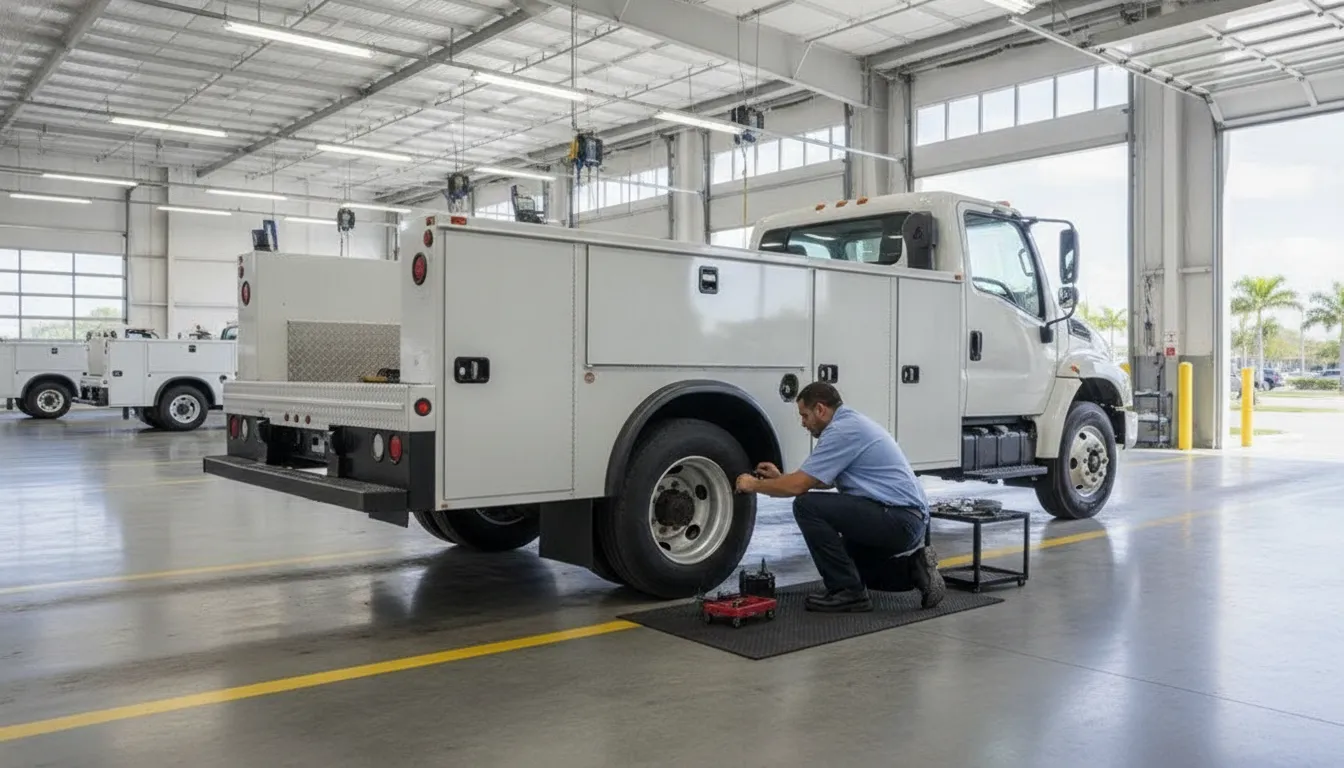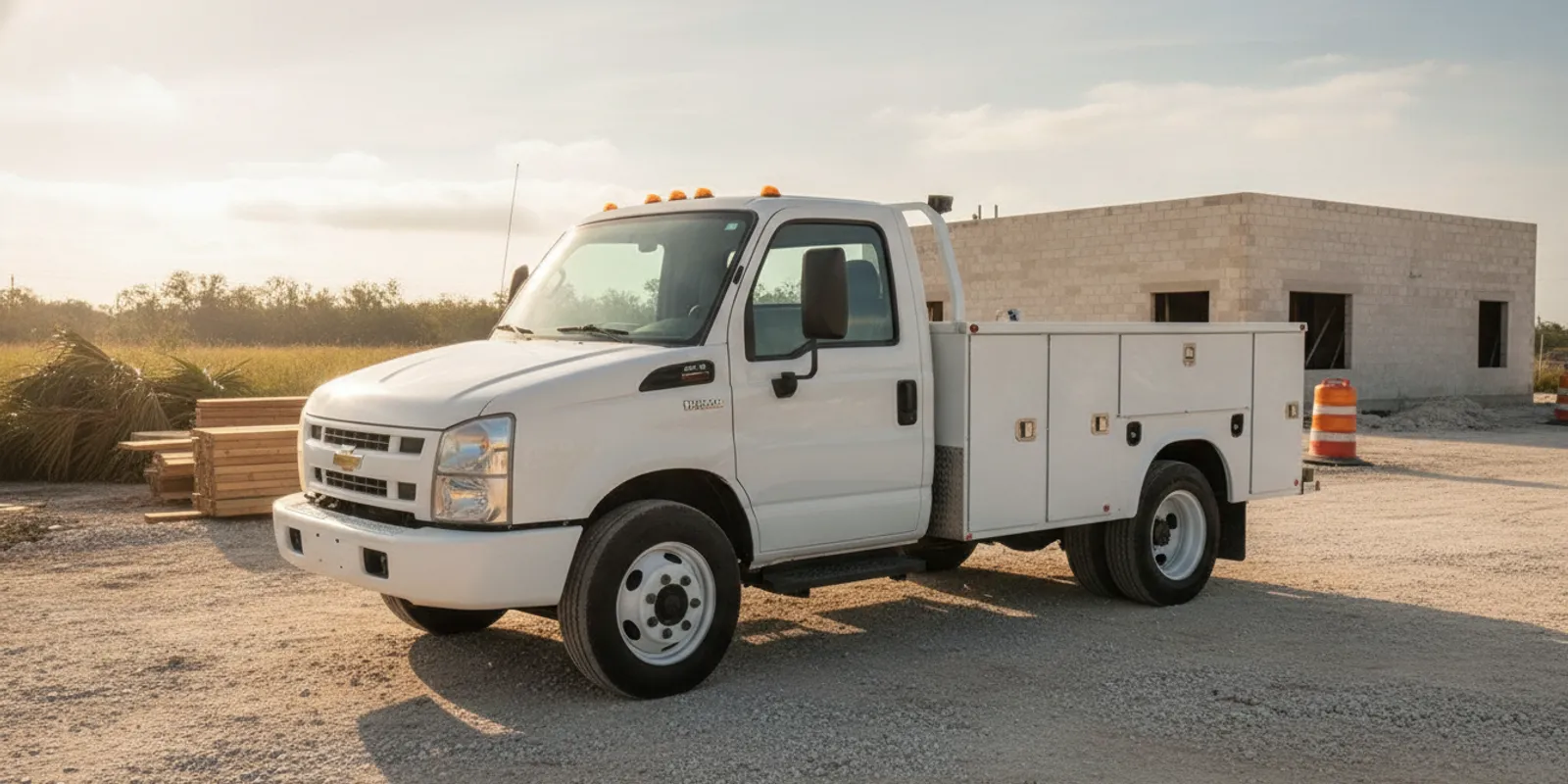
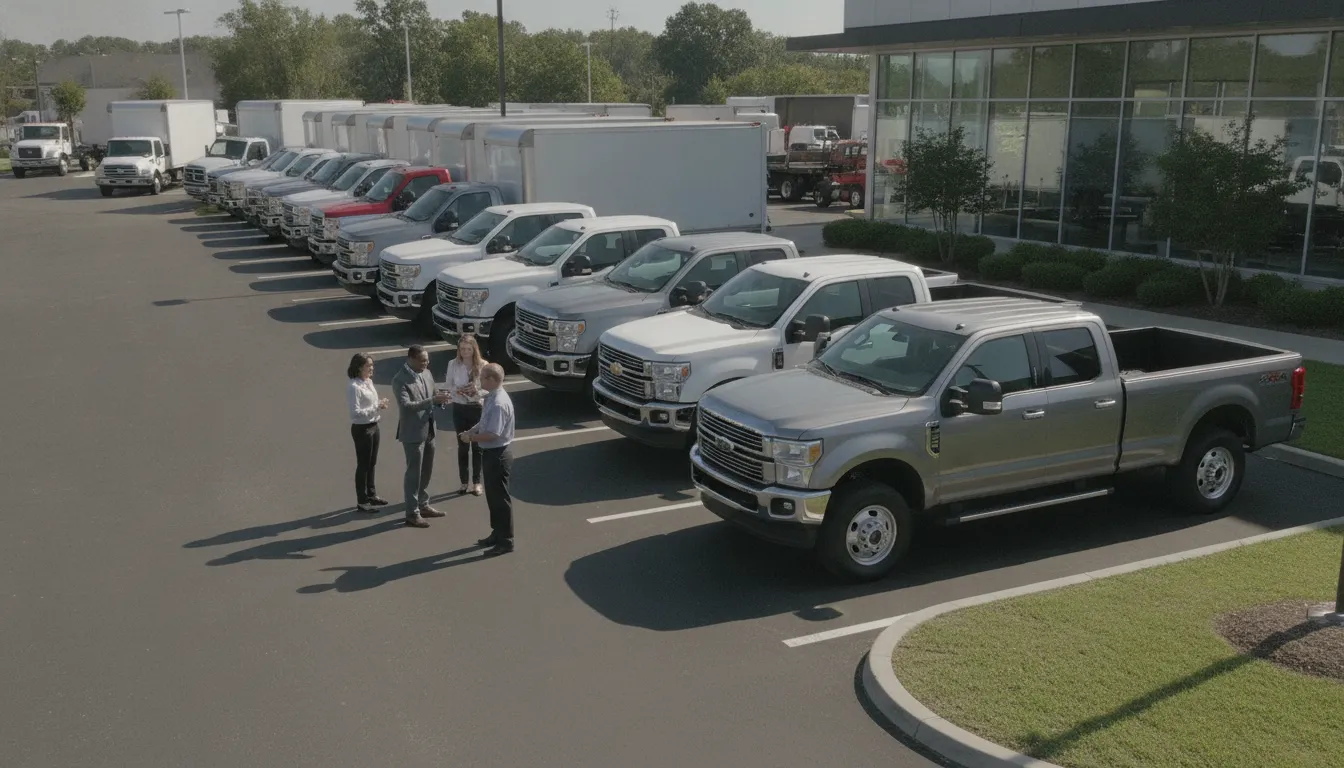
A low price or low odometer reading doesn’t tell you whether a truck can handle a full day on the job. The body, chassis, maintenance history, and previous use all affect its fit for your business. If you’re searching used trucks for sale, first list what you carry, how much it weighs, where you drive, and how many people ride along. Those details can help you narrow the choices and avoid paying for capacity or equipment you don’t need. This guide covers how to compare Chevrolet, Isuzu, and Hino work trucks, check key specifications, review vehicle history, and plan for the costs beyond the purchase price.
Key Takeaways
- Choose for the work you do: Match payload, towing needs, body style, crew space, and site access to your daily jobs.
- Check the exact truck, not just the model name: Verify its ratings, VIN, service history, equipment, and condition, and arrange an independent inspection.
- Plan for the full ownership cost: Compare financing and budget for insurance, fuel, maintenance, repairs, and upfit support.
Which Used Truck Fits Your Work?
Choose a used work truck based on the jobs it needs to handle, not just its price or model year. Think through a typical workweek: what you carry, how much it weighs, whether you tow, how many people ride in the cab, and where you drive. A landscaping crew hauling mowers and soil has different needs from a moving company carrying furniture or a contractor transporting ladders and tools. Matching the truck’s capacity and body style to your work can help you avoid paying for features you don’t need or choosing a truck that can’t handle the load.
Truck configurations vary in size, power, and purpose. The cab, chassis, and body all affect how a truck performs and what it can carry. Before comparing listings, write down your essential requirements: payload, cargo dimensions, towing needs, crew size, and typical job-site conditions. A truck’s design and cargo setup can be adapted for general hauling or specialized work, so compare the complete configuration rather than relying on the model name alone. Use your list to assess Chevrolet, Isuzu, and Hino options against the demands of your business.
Match Truck Class and Body to the Job
Start by choosing a truck class and body style that suit your usual workload. An enclosed box body can protect tools and materials from weather and provide secure storage. A flatbed offers open access for bulky equipment or oddly shaped cargo. If you regularly move soil, gravel, or debris, a dump body may make loading and unloading more practical.
Next, compare the truck’s ratings with the weight of your cargo, equipment, and passengers. The body and any installed equipment count toward the load, so include them when estimating available payload. If you tow a trailer, check that the truck’s towing rating, hitch, and braking equipment meet the demands of the trailer and its load. Make a list of must-have features and nice-to-haves before viewing trucks. This gives you a consistent way to compare listings and helps keep the search focused on trucks that fit the work.
Landscaping and Property Maintenance
Landscaping and property maintenance crews often carry a mix of equipment, supplies, and debris. Consider how you transport mowers, trimmers, fuel containers, mulch, and bags of soil. A flatbed can make it easier to load larger equipment, while a dump body may suit regular debris or material removal. If your tools need protection from weather or theft, look for an enclosed body or lockable storage.
Also consider the routes between jobs. Residential streets, narrow driveways, and parks can make a shorter wheelbase easier to maneuver. Check that ramps, tie-down points, toolboxes, and other installed equipment are secure and in good condition. Ask about the truck’s previous work and review available service records. A careful assessment of its condition helps you make an informed choice, as used-vehicle inspection guidance recommends.
Moving, Construction, and Hauling
For moving work, compare each truck’s cargo length, interior height, and access points. A ramp or liftgate can make loading easier, but it adds weight and needs inspection. Check the body for damage, gaps, or signs of leaks that could expose furniture and boxes to rain. Make sure the cargo area has suitable tie-down points to secure loads in transit.
Construction and hauling jobs call for close attention to payload and towing requirements. Add the weight of materials, tools, crew members, and installed equipment, then compare the total with the truck’s ratings. Consider where the truck will operate: a larger configuration may suit highway hauling and spacious sites, while tight access roads or crowded work areas may call for a more maneuverable truck. Inspect the frame, tires, brakes, and suspension, and ask how the truck was used and maintained.
Window Installation, Painting, and Contracting
Window installers, painters, and contractors may carry long or delicate materials alongside ladders, tools, and supplies. Look for a body that keeps items organized and protected, with enough room to secure glass, frames, paint, or equipment. Shelving, ladder racks, partitions, and lockable compartments can support day-to-day work, but check that each upfit is secure and appropriate for the cargo you carry.
Think about access at homes and commercial properties, too. Check the truck’s height if you use garages or covered loading areas, and consider whether the cab has enough room for your crew. Inspect body attachments and electrical connections for any installed equipment. Ask which features are included in the sale and whether they work as intended. If the listing says little about service history or prior use, ask the seller for more detail and have the truck inspected before making a decision.
Estimate Payload, Mileage, and Site Access
Estimate your typical load before comparing trucks. Include cargo, tools, passengers, racks, liftgates, and other installed equipment, then check the ratings for the specific vehicle. Two trucks with the same model name can have different capacities based on cab, wheelbase, body, and equipment. Confirm the truck’s ratings using its door-jamb label and vehicle documentation, and make sure the configuration fits both your regular workload and occasional heavier jobs.
Mileage is useful context, but it does not tell the whole story. Review service records, inspect wear, and ask how the truck was used. A well-maintained truck with higher mileage may suit your operation better than one with lower mileage and limited records. Finally, consider site access: measure entrances, parking areas, and covered spaces, and think about turning room and road conditions. These checks help you focus on trucks that can carry your work equipment and reach the places your crews need to go.
Which Chevrolet, Isuzu, and Hino Models Should You Compare?
Start with the work you need the truck to do. A landscaper hauling mowers and soil, a mover loading furniture, and a contractor carrying building materials may all need different combinations of payload, body space, and maneuverability. Choose a few models that appear to fit, then compare the specific used trucks by model year, chassis rating, wheelbase, cab, engine, rear axle, and installed equipment.
The model name is only a starting point. Trucks within the same lineup can have different configurations, and a body or upfit adds weight that reduces the capacity available for people, tools, and cargo. Check the manufacturer’s information for the truck’s model year, then ask the seller or service team to confirm the vehicle’s build details and whether its chassis suits your planned use.
As you compare options, picture the truck on your actual routes and job sites. Will it fit through residential streets or into a tight loading area? Can it carry the equipment you use every day, with room for supplies? Does the installed body suit your work, or will you need to budget for a different upfit? The models below offer a practical place to begin comparing Chevrolet, Isuzu, and Hino work trucks.
Chevrolet Silverado 4500HD, 5500HD, and 6500HD
The Silverado 4500HD, 5500HD, and 6500HD are medium-duty chassis cab trucks that can be configured for work bodies such as flatbeds, service bodies, and dump bodies. Compare them based on the finished truck’s weight and your daily demands. A crew hauling landscaping equipment may need a different setup from a contractor transporting heavier materials or towing a trailer.
Check the truck’s chassis rating and the weight of its installed body before estimating how much payload remains for your crew, tools, and cargo. Also compare wheelbase, cab-to-axle measurement, and towing requirements to make sure the configuration fits your work. Since equipment and ratings can vary by model year, confirm the details for the specific used truck rather than relying on the model name alone. Chevrolet’s medium-duty truck information can help you compare the lineup.
Isuzu NPR, NRR, and FTR
Isuzu’s NPR, NRR, and FTR models cover a range of commercial applications. Their cab-over design can be useful for businesses that regularly work on narrow streets or crowded sites, including window installers, painters, and property maintenance crews. The NPR, NRR, and FTR differ in size and capacity, so compare the exact configuration against your cargo, equipment, and route needs.
A moving company might prioritize a box body and loading access, while a construction crew may need a flatbed for materials. Check the truck’s payload capacity after accounting for the body and any installed equipment. Then review its wheelbase, rear-axle setup, and cab configuration. Isuzu’s commercial vehicle lineup provides a starting point, but the truck’s VIN and build records can help verify the specifications of a used vehicle.
Hino L and XL Series
Hino L and XL Series trucks are designed for different commercial weight classes and applications. Depending on the model year and configuration, an L Series truck may fit medium-duty local work, while an XL Series truck may suit heavier loads or vocational applications. They are worth comparing if you need a truck for hauling materials, carrying a service body, or supporting a specialized upfit.
For a used truck, verify the exact model year, chassis rating, engine, and installed equipment. Estimate the total weight of the body, tools, crew, and cargo to see whether the truck fits your needs. Also consider whether its size and turning radius work for your regular routes and job sites. Review Hino’s truck lineup for model information, then confirm the specific vehicle’s configuration using its VIN and available records.
Compare Cab, Chassis, Wheelbase, and Body
After narrowing down the model options, compare each truck’s full configuration. Cab style affects passenger space and storage. Wheelbase affects maneuverability and the room available for a body. A shorter wheelbase may be easier to position on residential streets or compact job sites, while a longer chassis may accommodate a larger body, depending on the truck’s ratings and build.
Check whether the truck has a regular, extended, or crew cab, and whether it uses single or dual rear wheels. Then consider the body that matches your work. A landscaper may prefer a flatbed or dump body, while a mover may need a box body with a liftgate. Before buying, ask a dealer or service team to check body mounting, equipment condition, and compatibility with your intended use.
Which Used-Truck Specs Matter Most?
A truck’s model name and mileage tell only part of the story. The right specs depend on what you carry, where you drive, and which equipment you use. Compare each truck’s ratings and configuration with your daily work, then verify the details on the vehicle and in its service records.
GVWR, Payload, and Towing Capacity
Gross vehicle weight rating (GVWR) is the maximum loaded weight set by the manufacturer for the truck. Payload is how much weight it can carry, including passengers, cargo, and added equipment. Towing capacity is how much it can pull, but that rating alone doesn’t tell you how much the truck can carry at the same time.
Estimate the combined weight of your crew, tools, materials, and any installed body or accessories. Check the truck’s certification label and compare the ratings with your expected load. The Federal Motor Carrier Safety Administration’s definition of GVWR can help clarify the term. For towing, also check the truck’s configuration, hitch rating, and gross combination weight rating. Choose a truck that can handle your regular workload with room for the equipment you rely on.
Engine, Transmission, Fuel, and Efficiency
Consider how the engine and transmission will handle your routes and loads. Frequent stops, steep grades, highway driving, and long periods of idling place different demands on a truck. Ask for engine and transmission specifications, maintenance records, and details of major repairs. On a test drive, notice how the truck accelerates, shifts, and responds under load.
Fuel costs can add up over a truck’s working life, so consider your annual mileage and typical routes when comparing gasoline and diesel options. A previous owner’s fuel figures may not reflect your operation, especially if their routes or loads differed from yours. Review records for engine, cooling-system, fuel-system, and transmission service. Before buying a used Chevrolet, Isuzu, or Hino, have a qualified technician inspect the powertrain, particularly if the truck will regularly carry heavy loads or tow equipment.
Turning Radius, Visibility, Cab, and Comfort
Make sure the truck fits the places you work, not just the road. Compare its wheelbase and turning radius with the residential streets, driveways, loading areas, and job sites on your routes. If possible, test-drive it in conditions similar to your daily work, then practice turning and parking in a safe, open area.
From the driver’s seat, check your view around the mirrors and installed body. Look for blind spots that could make reversing or moving through a crowded site harder. Test any backup camera or parking sensors, and confirm that the display and alerts work properly. Cab comfort matters when you spend long hours behind the wheel, so check the seat, climate controls, visibility, and storage. Make sure each regular driver can adjust the seat and mirrors to maintain a clear view.
Box, Flatbed, Dump, and Other Upfits
Choose a body that suits your cargo and how you load it. A box body can protect furniture, tools, or supplies from the weather, while a flatbed can simplify loading bulky materials. Landscapers may need a dump body for yard waste or materials. Contractors and equipment haulers should consider the space, tie-downs, and access their work requires.
Inspect the upfit as carefully as the truck. Check doors, hinges, latches, ramps, tie-down points, hydraulic components, and signs of rust or damage. Ask how the body was installed and whether its weight has been considered when calculating available payload. Confirm the body’s dimensions and make sure it leaves enough capacity for your crew and cargo. If you plan to add a lift, tool storage, or other equipment, ask a commercial-truck technician or upfit specialist to confirm that the chassis and electrical system can support it.
Safety Features and Equipment Compatibility
Check the condition and operation of brakes, tires, lights, mirrors, seat belts, and steering components. If the truck has stability control, traction control, a backup camera, or parking sensors, test each feature and ask about warning lights or related repairs. You can check the vehicle identification number (VIN) for open recalls with the NHTSA recall lookup tool.
Next, confirm that the truck can support the equipment your work depends on. Check electrical connections, mounting points, power requirements, and hydraulic or power take-off (PTO) provisions, if needed. A lift, compressor, or other powered tool may require a specific chassis setup or electrical capacity. Ask a qualified technician or upfit specialist to review the truck and planned equipment before you buy. That assessment can help identify any changes required for a safe, compatible installation.
What Affects Used-Truck Prices?
The price of a used work truck depends on more than its make and model. Year, mileage, maintenance, chassis configuration, and body condition all matter. So does the equipment your business needs, whether that’s a box body for moving jobs, a flatbed for hauling, or a dump body for landscaping and construction.
As you compare Chevrolet, Isuzu, and Hino trucks, consider the full cost of getting each one ready for work. A lower asking price may come with repair needs or an upfit that doesn’t suit your crew. Use the factors below to compare trucks fairly and set a budget that accounts for both the purchase and ongoing operation.
Compare Model, Year, Mileage, and Configuration
Compare trucks with similar model years, mileage, and configurations. A Chevrolet Silverado 5500HD, Isuzu NRR, or Hino L Series can vary in price based on cab style, chassis, wheelbase, engine, and installed body. A truck equipped for your work may save you the time and expense of arranging an upfit after purchase.
Mileage and year are useful starting points, but they don’t tell the whole story. Check payload and towing capacity against the loads and equipment your business carries. Consider where the truck will operate, too: a longer wheelbase may suit highway routes, while tight residential streets or job sites may call for a more maneuverable setup. A used-truck market analysis can provide broad context, but compare local listings to assess a specific truck’s asking price.
Consider Condition, Service History, and Upfit Quality
Two trucks with similar mileage can have very different values. Ask for maintenance and repair records, then see whether the truck’s condition matches its history. Look for signs of leaks, rust, collision damage, worn tires, or neglected bodywork. Pay particular attention to the frame and the areas where an upfit attaches.
Check work equipment as carefully as the truck itself. Inspect the box, flatbed, dump body, liftgate, shelving, or tool storage for damage and signs of poor repairs. If equipment needs replacement or modification to suit your crew, include that cost when comparing prices. A used-vehicle inspection checklist can help you prepare questions, but have a qualified technician assess any concerns before you commit.
Budget for Taxes, Fees, Repairs, Insurance, and Operating Costs
The sale price is only one part of your budget. Estimate taxes, registration, insurance, fuel, routine maintenance, and any repairs the truck may need. For a commercial vehicle, include the cost of servicing the truck and checking its work equipment before it joins your fleet.
Think about how your crew will use it. Frequent stops, heavy loads, rough construction sites, and long routes can affect fuel use and maintenance needs. If the truck needs tires, brakes, or upfit repairs soon after purchase, those costs change what you can reasonably pay. The FTC’s used-vehicle buying guidance recommends accounting for expenses such as registration, insurance, fuel, and maintenance when setting a budget.
Compare Listings and Set a Target Price
Compare several listings for trucks with similar makes, models, years, mileage, and equipment. Note what each price includes, such as a particular body, liftgate, warranty coverage, or service records. A lower asking price may reflect higher mileage, repair needs, or missing equipment, so check the details before comparing it with another truck.
Set a target price and a maximum amount before speaking with a seller. Use local listings, inspection findings, and the cost of any needed work to support your offer. Verify the truck’s features with its VIN and documents instead of relying only on the listing description. These vehicle negotiation tips can help you prepare questions and keep the discussion focused on the truck’s condition and value.
Weigh Maintenance and Prior Use, Not Just Mileage
Mileage shows how far a truck has traveled, but not how it was used or maintained. A higher-mileage truck with consistent service records may be a better choice than a lower-mileage truck with gaps in its history. Ask whether it handled highway routes, frequent deliveries, heavy loads, or demanding work on construction sites.
Review records for regular oil changes, brake and tire work, and repairs to major systems. Check that the documents support the seller’s description of the truck. Then arrange an inspection by a qualified technician who can assess the vehicle and its upfit. A professional inspection can help identify wear or repair needs that mileage and a clean exterior may not reveal.
Where Can You Find and Compare Used Trucks?
Finding the right used work truck takes more than comparing asking prices. Start with commercial truck dealers and online listings, then compare each option’s configuration, condition, maintenance history, and included equipment. A truck that looks like a good deal may still need costly repairs or lack the body and capacity your work requires.
For landscapers, movers, contractors, haulers, and other business owners, fit matters. A Chevrolet, Isuzu, or Hino truck should suit your daily loads, routes, and job sites. Compare key details such as GVWR, mileage, cab style, wheelbase, and body type, and ask for the VIN and service records before you arrange a visit.
A dealer that sells and services commercial trucks can help explain differences between models and configurations, and may be able to inspect a truck or support it after the sale. Online listings are useful for finding options beyond your area, but confirm that the truck is still available and that the advertised specifications match the vehicle. Use each listing as a starting point, then verify the details directly with the seller.
Check Dealers and Online Listing Platforms
Start with commercial truck dealers near your business. Ask what used inventory is available and whether the team can help you compare Chevrolet, Isuzu, and Hino models, body styles, and equipment. If you plan to rely on the truck for daily work, it’s also useful to know whether the dealer can provide service or help source parts.
Online platforms can expand your search. Filter by location, price, model year, mileage, and brand, then check whether the results include the commercial truck class you need. For example, TrueCar’s used-truck listings let shoppers narrow results by details such as mileage, features, and transmission. Before traveling to see a truck, contact the seller to confirm its availability, specifications, and condition.
Compare Photos, Specs, VINs, and Included Equipment
Look beyond the asking price and mileage. Compare the model year, cab style, chassis, wheelbase, GVWR, and body type. For a work truck, ask exactly what equipment comes with it, including a box, flatbed, dump body, liftgate, or service body. Confirm whether the equipment shown in the photos is included in the sale and whether it works as expected.
Review photos of the frame, tires, cab, cargo area, and upfit. If important areas are missing or difficult to see, request more pictures. Ask for the VIN so you can verify the truck’s identity and review its history. Listings may mention features such as backup cameras, Bluetooth, or tow hitches, but confirm that each feature is installed and working. TrueCar’s listing filters offer a useful example of how equipment details can help narrow a search.
Consider Market Trends, Fleet Turnover, and Local Demand
Used-truck inventory and prices can vary with fleet replacement schedules, regional demand, and the cost of new vehicles. A business may consider a used truck to add capacity while managing its equipment budget. Meanwhile, demand for particular configurations can differ by region: a dump truck may be a practical fit for landscaping or construction, while a box truck may better suit moving or delivery work.
Compare similar trucks in your area, not just vehicles with the same make or model. Look for close matches in year, mileage, GVWR, body type, and condition. The used-truck market report identifies factors such as small-fleet demand and financing availability as influences on market activity. Use that context alongside current local listings, and focus on trucks that match your workload and budget.
Question Missing Records, Vague Details, and Low Prices
Ask for maintenance and repair records, details about previous use, and an explanation for any gaps in the truck’s history. A vehicle used for local deliveries may show different wear from one that regularly hauled heavy loads or worked on rough sites. Get clear answers about the engine, transmission, frame, body, and installed equipment.
Take extra care if the listing omits the VIN, service history, or key specifications, or if the seller cannot explain a price that seems unusually low. The truck may need repairs, have worn components, or include an upfit that does not fit your work. Arrange an independent inspection before you commit, with attention to costly systems and components. Consumer Reports recommends professional inspections to help identify potential problems before purchase.
How Should You Check a Truck’s History and Condition?
A used work truck needs to be dependable, properly equipped, and ready for the demands of your jobs. Before you buy, check its records, inspect its major systems, and confirm that its body and equipment fit your work. Taking time to review the details can help you estimate upcoming costs and make a more informed choice.
Verify the VIN, Title, Ownership, and Accident History
Match the vehicle identification number (VIN) on the truck with the number on its title and sales paperwork. Confirm that the seller has the legal right to sell it, and ask whether the title is clear or has a lien. A vehicle history report may show recorded accidents, title changes, or other reported events, but it may not include every repair or incident.
Compare the stated mileage with service records and inspection documents. If the numbers don’t match, ask for an explanation and supporting paperwork. The Federal Trade Commission’s used-vehicle buying guide recommends researching repair records, mileage, and ownership costs before purchasing. Keep copies of the VIN and documents you review, especially if you’re comparing several Chevrolet, Isuzu, or Hino trucks.
Review Maintenance, Repairs, and Prior Use
Ask for maintenance records, repair invoices, inspection reports, and any available fleet service logs. Look for regular oil and filter changes, brake work, tire replacements, and repairs to the engine, transmission, cooling system, or emissions equipment. Consistent records can give you a clearer picture of how the truck was cared for. If records are incomplete, ask what work the seller knows has been done and when.
Find out how the truck was used. Highway miles may cause different wear than frequent stops, heavy loads, or work on rough construction sites. If engine-hour readings or telematics records are available, compare them with the odometer. A thorough inspection of a used vehicle can help uncover maintenance needs that paperwork alone may not reveal.
Inspect the Frame, Body, Tires, Rust, and Collision Damage
Inspect the truck in daylight, and walk around it slowly. Look for mismatched paint, dents, cracked lights, uneven panel gaps, and signs that body parts have been replaced. Check the frame rails and crossmembers for rust, cracks, bends, fresh undercoating, or repairs. Examine the bed, box, dump body, liftgate, and mounting points for damage or loose hardware.
Check tire tread and look for uneven wear, which may point to alignment, suspension, or maintenance issues. Confirm that each tire has the right size and load rating for the truck. Look over the cab steps, doors, and wheel wells for rust or damage that could affect daily use. Consumer Reports’ inspection advice highlights rust, dents, and misaligned panels as details worth checking for signs of repair work.
Check the Engine, Transmission, Brakes, Steering, and Suspension
Ask to see the truck started cold, before the engine has had time to warm up. Listen for unusual knocking, rattling, or belt noise, and watch for excessive smoke, leaks, or warning lights. Check fluid levels and condition where accessible. Have a technician look for leaks around the engine, transmission, differential, and cooling system.
Ask a qualified technician to assess shifting, braking, steering, and suspension. The truck should shift smoothly, stop without pulling or vibration, and steer without excessive play. Listen for clunks over bumps, and check for worn shocks, damaged springs, or uneven ride height. These systems matter when the truck carries tools, materials, or equipment every day. A professional inspection of a vehicle’s mechanical components can help identify repairs that may not be obvious during a quick walk-around.
Test Electrical Systems, Safety Features, and Work Equipment
Test the lights, turn signals, horn, wipers, windows, mirrors, dashboard controls, and climate system. Check that warning lights appear at startup and then go out as expected. If the truck has a backup camera, parking sensors, trailer connections, or auxiliary power, test each feature rather than assuming it works.
Inspect every work-related component, including the liftgate, power take-off (PTO), dump mechanism, tool storage, ladder rack, or refrigeration unit. With the seller’s permission, test equipment according to its safety instructions. Look for damaged wiring, corroded connectors, hydraulic leaks, and missing guards. Confirm that the body and equipment suit your work and can be serviced locally. Ask for manuals and maintenance records, then include needed repairs in your cost estimate.
Test-Drive the Truck and Arrange an Independent Inspection
If the seller permits, drive the truck on roads that resemble your usual work conditions. Pay attention to acceleration, shifting, braking, steering, visibility, and unusual vibrations or noises. Test it at low speeds and, where safe and legal, at normal road speeds. Consider how it handles turns, parking, and the access roads or job sites you use.
Before agreeing to buy, arrange an independent inspection with a mechanic familiar with commercial trucks and the truck’s configuration. Ask them to review the chassis, powertrain, brakes, tires, and upfit, then provide written findings and likely repair costs. A seller’s refusal to allow a reasonable test drive or inspection is worth considering carefully. Consumer Reports recommends weighing whether you can inspect and test-drive a used vehicle before deciding to proceed.
Which Financing Options Should You Compare?
Financing affects more than your monthly payment. The loan also shapes how much cash your business has available for fuel, insurance, equipment, and repairs. Compare offers using the same truck price and down payment, then review the full cost before you decide.
Compare Lenders, Rates, Terms, and Down Payments
Request quotes from banks, credit unions, online lenders, and the dealership. Compare each offer’s annual percentage rate, loan term, required down payment, and total repayment amount. A longer term may lower your monthly payment, but it can increase the interest you pay over the life of the loan.
Check that each quote covers the same truck and configuration. For a work truck, that means confirming the lender will finance the chassis, body, and installed equipment you need. If you’re trading in a vehicle, ask how its value changes the amount you’ll finance. Some dealers provide financing options or help with credit applications. Orlando Preowned describes financing support for used pickup buyers, but ask any lender or dealer to confirm that its options fit your commercial truck purchase.
Review Credit Requirements, Fees, and Early-Payment Terms
Ask what credit history the lender requires and whether you can apply as a business, an individual, or both. If your business has limited credit history, find out whether the lender will review your personal credit or require a personal guarantee. These details can affect both approval and the terms you receive.
Request an itemized list of fees, including application, documentation, origination, and title charges. Ask whether the rate is fixed for the full term, and whether a prepayment penalty applies if you pay off or refinance the loan early. Dealership staff may explain the options they offer, but confirm the final terms directly with the lender. For example, Griffin Monroe advises buyers to contact the dealership for specific used-truck financing details. Get the requirements and fees in writing before moving forward.
Calculate Monthly Payments and Total Costs
Estimate your monthly payment before you commit, then consider it alongside the truck’s operating expenses. Budget for the down payment, taxes, registration, insurance, fuel, and any repairs or upfit work needed before the truck is ready for your crew. This gives you a clearer picture of how the purchase will affect business cash flow.
Use a payment calculator to compare different loan amounts, rates, and terms. Orlando Preowned provides a payment calculator to help shoppers estimate payments for used pickups. Treat calculator results as estimates, since the final rate and fees may differ. Ask the lender for the total amount you’ll repay, and check that the payment schedule works with your business’s income and expenses.
Secure Financing Terms Before You Commit
Get the financing offer in writing before signing a purchase agreement. Check the approved loan amount, rate, term, down payment, monthly payment, fees, and any conditions you still need to meet. Make sure the approval applies to the exact truck you plan to buy, including its body and installed equipment.
Ask how long the approval remains valid and whether the lender requires an inspection or particular insurance coverage. If you’re trading in a vehicle, confirm its agreed value and how that amount affects the loan. Before signing, compare the final paperwork with the offer you accepted. Contact the dealer or lender if any figure is unclear or has changed. A careful review helps you understand the full financing commitment before the truck goes to work.
How Should You Negotiate and Finalize the Purchase?
A used work truck is a significant business purchase, so prepare before you negotiate. Compare similar trucks, use inspection findings to guide your offer, and confirm which repairs and equipment are included. Before signing, review the price and paperwork carefully so the truck is ready for the work you need it to do.
Base Your Offer on Listings and Inspection Findings
Compare listings for trucks with similar makes, models, model years, mileage, body styles, and equipment. A Chevrolet Silverado 5500HD with a service body, for example, may not be comparable to a cab-and-chassis truck. Use the closest matches to estimate a fair price, then factor in the truck’s condition and service history.
An inspection can help you support your offer with specific details. If a mechanic finds worn tires, fluid leaks, or repairs that may be needed soon, ask whether the seller will address the work or adjust the price. Kirk Brothers Chevrolet of Vicksburg’s negotiation advice also recommends considering market comparisons and vehicle condition when making an offer.
Ask About Repairs, Included Equipment, and Price Flexibility
Ask for service records and details about recent repairs, recurring issues, or work the truck may need. Confirm which equipment is included, such as a liftgate, ladder rack, toolboxes, tie-downs, or dump body components. For a work truck, check that each item functions properly and fits your crew’s needs.
Use the VIN and vehicle documents to confirm the truck’s configuration and features. If an advertised item is missing or does not work, ask how that affects the price. You can also ask whether the seller is willing to complete a repair or adjust the offer. Getting these details in writing makes it easier to compare the truck’s full value with other options.
Set a Maximum Price and Walk Away if Needed
Set your maximum price before you begin negotiating. Include more than the truck’s sale price in your budget: account for taxes, registration, insurance, financing costs, and any repairs or upfit changes you expect after purchase. This gives you a clearer picture of the total cost and helps you choose a truck that fits your business budget.
Use your research and inspection results to keep the conversation grounded in the truck’s value. If the seller’s price exceeds your limit, ask whether there is room to revise the offer. If the numbers still do not work, take time to consider other trucks. Pearson Ford’s negotiation tips recommend setting a budget in advance and being prepared to walk away if the price is not right.
Confirm the Price, Title, Paperwork, Registration, and Insurance
Before you pay or sign, check that the purchase agreement lists the final price, fees, included equipment, and any repairs the seller agreed to complete. Match the VIN on the truck to the title and sales documents. Ask whether the title is ready to transfer and whether any liens could affect the sale.
Read the paperwork carefully and keep copies of the signed agreement, inspection report, service records, and warranty details, if applicable. Contact your insurance provider before taking delivery, and check your state’s registration requirements for the truck’s weight and intended use. The Federal Trade Commission’s guide to buying a used vehicle from a dealer outlines documents and details to review before completing a purchase.
How Can You Prepare to Own a Work Truck?
A used work truck needs more than a set of keys before it’s ready for the job. Plan for maintenance, confirm you can get support for the truck and its equipment, and start tracking operating costs. A little preparation can help keep your Chevrolet, Isuzu, or Hino working reliably for your business.
Schedule Maintenance and Address Inspection Findings
Use the inspection report and service records to plan the first round of maintenance. List recommended repairs, upcoming service, and any items that need a closer check. Take care of safety-related issues, such as worn tires, faulty lights, or problems with the brakes, steering, or suspension, before putting the truck to work.
Then follow the maintenance schedule in the owner’s manual, adjusting for how you use the truck. Heavy loads, frequent stops, dusty sites, and long periods of idling may affect how often it needs service. Keep records of oil changes, inspections, tire rotations, and repairs so you can track recurring issues. A thorough inspection can give you a clearer picture of the truck’s condition, as explained in this guide to used-vehicle inspections.
Confirm Parts, Service, Warranty, and Upfit Support
Before buying, find out where you can service the truck and whether technicians can work on its specific make, model, and configuration. Ask about local access to routine parts, especially if you rely on the truck every day. For a Chevrolet, Isuzu, or Hino, confirm that the service provider can support the chassis and engine, as well as any installed equipment.
If the truck has a box, liftgate, dump body, or another upfit, ask who can maintain and repair it. Get warranty details in writing, including what’s covered, how long coverage lasts, and where repairs can be done. Request maintenance and ownership records, too, and check that the seller has listed all included equipment. Clear vehicle details and documentation can help you assess a commercial truck before purchase, as noted in this report on direct-to-buyer truck sales.
Track Fuel, Maintenance, and Repair Costs
Start tracking costs as soon as the truck joins your operation. Record fuel purchases, mileage, scheduled service, repairs, tires, and downtime. If you run more than one vehicle, keep a separate record for each truck so you can compare operating costs and spot patterns.
Use those records to estimate what the truck costs to run each month or on a typical job. Consider fuel use under your usual driving conditions and with the loads you expect to carry. Set aside money for routine maintenance and unexpected repairs, and include downtime when estimating the cost of keeping the truck on the road. A lower purchase price may not mean lower ownership costs, particularly if the truck needs frequent repairs. Tracking expenses gives you a practical way to plan your budget and see how the truck is performing for your business.
Related Articles
- Used Work Pickup Trucks for Sale | Lou Bachrodt Auto Group
- Used Flatbed Trucks for Sale | Lou Bachrodt Auto Group
- Used Dump Trucks for Sale | Lou Bachrodt Auto Group
- Used Box Trucks for Sale | Lou Bachrodt’s Tri-County Truck
- Used Chassis Trucks for Sale | Lou Bachrodt’s Tri-County Truck
Frequently Asked Questions
How do I choose the right used work truck for my business?
Start with your regular jobs and list what the truck must carry, tow, and access. Include crew members, tools, cargo, and installed equipment when comparing capacity. Then choose a cab, chassis, and body style that fit your routes and loading needs.
How can I confirm a used truck has enough payload capacity?
Check the specific vehicle’s certification label and documentation for its ratings. Account for the body, passengers, tools, cargo, and accessories, since all contribute to the truck’s loaded weight. If you plan to tow, review the towing and combination ratings as well.
Are Chevrolet, Isuzu, and Hino trucks suited to different kinds of work?
Each manufacturer offers trucks in different classes and configurations. The best fit depends on the specific model year, chassis, wheelbase, cab, body, and ratings, not just the brand. Compare individual trucks against your workload and job-site access.
What should a mechanic inspect before I buy a used commercial truck?
Ask for an inspection of the frame, engine, transmission, brakes, tires, steering, suspension, and electrical systems. Have the mechanic check the body and work equipment too, including items such as liftgates, dump mechanisms, or power take-off systems.
What costs should I budget for beyond the purchase price?
Plan for taxes, registration, insurance, fuel, routine service, repairs, and any changes needed to the body or equipment. If you’re financing, compare the interest rate, fees, term, and total repayment amount, not only the monthly payment.