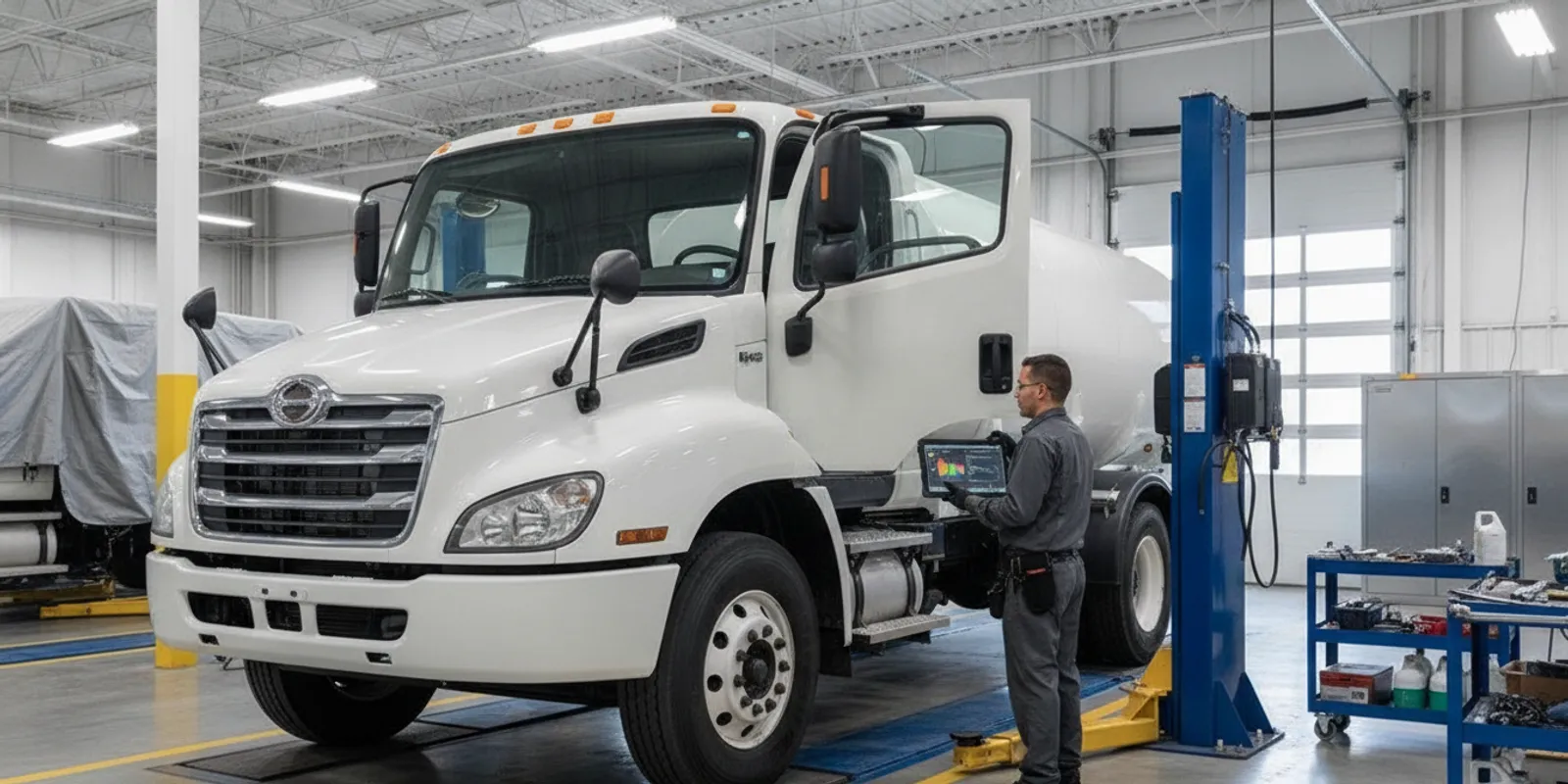

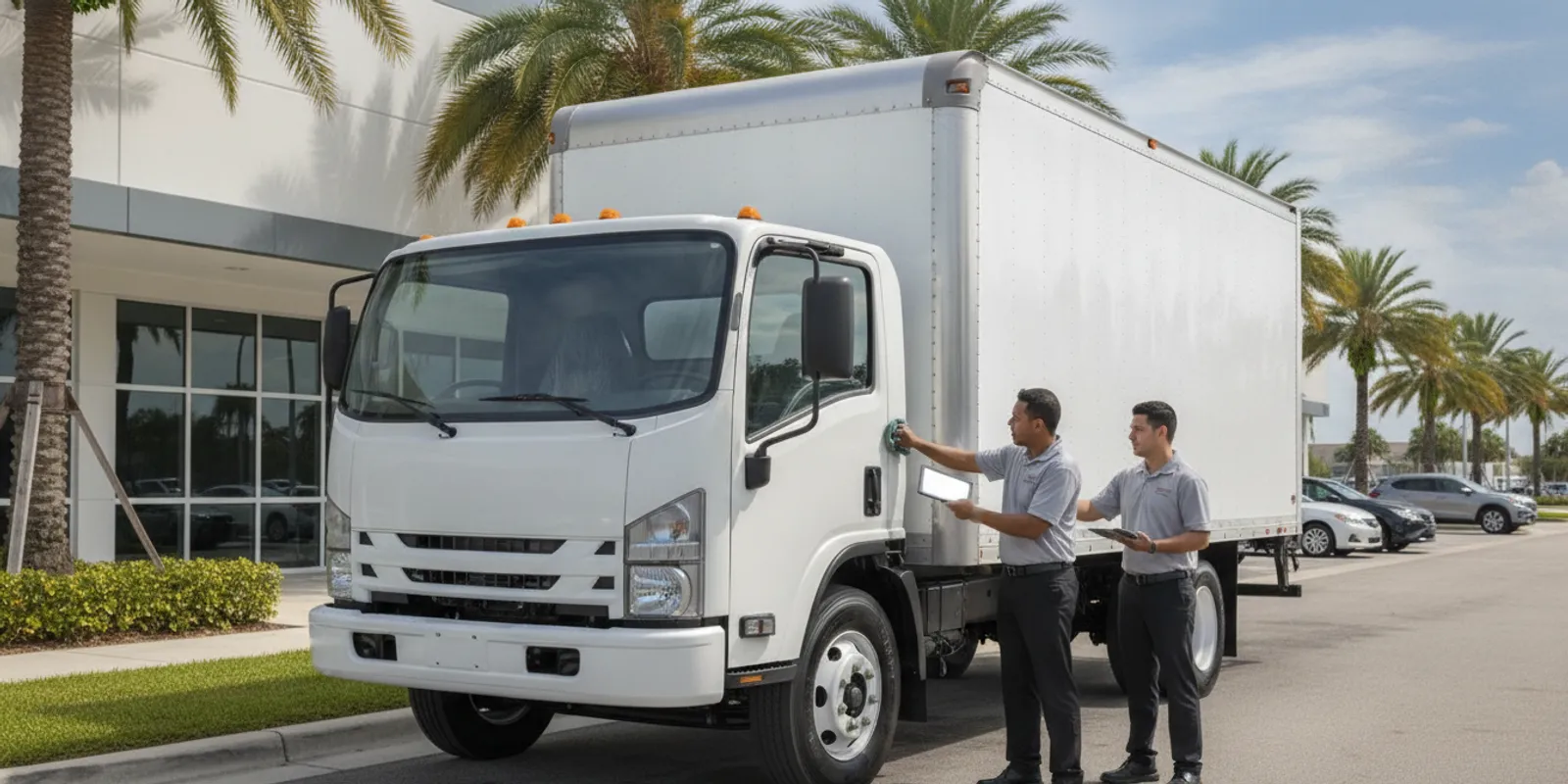
Choosing among commercial truck delivery options is about more than moving a vehicle from the lot to your business. The destination, schedule, inspection plan, paperwork and responsibility for transport all affect how smoothly the truck enters service. Confirm each detail with the dealer before purchase, especially when a project start date depends on the arrival.
Ask about current delivery options
What does delivery mean for your purchase?
Dealers may use “delivery” to mean handing over a truck at the dealership, arranging transport to a business address, or coordinating pickup at another location. Ask what is included in the specific offer instead of relying on a general phrase. Confirm the destination, transport method, preparation included and conditions for release. Tri-County Truck’s current business information describes complimentary delivery within Florida. Verify whether the offer applies to your truck and address; do not assume a particular route, deadline or service is included.
Clarify who arranges the driver or transport provider, whether the truck is driven or carried, whether paperwork is completed before handoff, and what happens if the date or destination changes. Ask which details will appear in the purchase or delivery documents. If a verbal answer affects cost, timing or responsibility, request written confirmation.
Which destination should you confirm?
Start with the exact delivery address, not just a city or county. A warehouse, business yard or jobsite may have different access conditions from a standard street address. Consider turning room, overhead clearance, gate width, access hours, surface condition and security procedures. Raise route restrictions or tight access before transport is scheduled.
Decide who will receive the vehicle. Give the dealer or transport provider a contact name and working phone number, and make sure the recipient knows the arrival window. If the address changes, ask who must approve it and whether the new destination affects timing, availability or cost. For a fleet, specify which yard receives each unit. Vehicle configuration also matters: compare box truck options with flatbed truck options when planning access and parking.
How should you compare delivery timing?
Ask for the anticipated handoff date and whether it is an estimate or confirmed appointment. The truck may need preparation, final paperwork or funding confirmation before release, and a transport provider’s availability can affect the schedule. Avoid assigning a crew or promising a customer a start date based on an unconfirmed arrival.
- What needs to be completed before the truck can leave?
- When will the dealer provide a firm date or delivery window?
- Who will notify the recipient if the plan changes?
- Are deliveries limited to certain days or business hours?
- How much notice is needed to reschedule?
Build a buffer when the truck is tied to a project launch or fleet replacement. Ask whether it will be ready for its intended use or whether registration, equipment installation, internal inspection or other work remains. If financing is involved, clarify how funding and required documents relate to release timing. Review commercial vehicle financing information and confirm transaction-specific steps directly.
What should you inspect before accepting the truck?
Decide who will inspect the vehicle at handoff and what that person should check. The recipient should be able to note visible concerns before signing an acceptance record. For remote delivery, ask whether pre-delivery photographs or other records can be provided and agree on how to report an issue.
Compare the delivered vehicle with the purchase documents. Check vehicle identification and configuration; body, accessories and equipment included in the transaction; visible exterior and interior condition; keys and manuals; and open items promised for completion. Photograph visible concerns, record them promptly, and ask how to report a discrepancy. Keep copies of signed documents and written follow-up. Do not assume a delivery receipt changes the purchase agreement or resolves a disputed item.
Which paperwork should be ready?
Ask which documents the dealer will provide and which your business must arrange. Requirements depend on the transaction and vehicle, so confirm the current process with the dealer and relevant Florida authorities. Discuss the purchase agreement, title or registration documents, temporary documentation if applicable, payment or funding confirmation, and delivery or acceptance record.
Check that the buyer’s business name and transaction details are correct. If someone else receives the truck, ask whether written authorization or identification is needed. Keep the signed agreement, delivery correspondence, inspection notes and receipts together. For official Florida vehicle and title information, consult Florida Highway Safety and Motor Vehicles and verify requirements for your transaction.
Who is responsible for transport arrangements?
Ask whether the dealer arranges transport, whether you choose a carrier, or whether your team collects the truck. If a third party is involved, confirm who selects and pays the provider, who shares schedule updates, and whom to contact if the vehicle is delayed or arrives with a concern.
Establish how the truck will travel and what condition it should be in at pickup and delivery. Clarify when responsibility transfers, what records will be provided, and how to report a claim or discrepancy. Ask for applicable terms in writing. If you need transport beyond Florida, do not assume the complimentary in-state offer covers it; confirm eligibility and any arrangements or costs directly.
How can your business prepare to receive the truck?
Clear an appropriate parking or unloading area, share route and access instructions, and tell the recipient what to expect. For a worksite, confirm it will be staffed and accessible throughout the proposed window. Give the recipient time to inspect the truck and read paperwork rather than rushing between duties.
- Name one person responsible for receiving the vehicle and checking documents.
- Share that person’s contact details and the precise delivery location.
- Reserve time to compare the truck with the purchase paperwork and document its condition.
- List remaining tasks such as registration, equipment installation or fleet-system setup.
- Save dealer contact details and agree how to report delays or discrepancies.
For multiple vehicles, create a separate record for each unit, including identification details, arrival date, condition notes, keys, documents and open follow-up items. Assign each vehicle to a named location and recipient before dispatch. This helps prevent paperwork or equipment from being confused between units.
How can you compare delivery arrangements?
Compare dealership pickup, dealer-coordinated delivery and independently arranged transport against the same questions. The options may differ in schedule control, required effort, responsibility and terms. Do not compare only by whether an option is described as complimentary; establish what it includes and what your team must do.
| Arrangement | What to confirm | Receiving task |
|---|---|---|
| Pick up at dealership | Release date, pickup hours, required documents and who may collect | Arrange an authorized driver and confirm the route |
| Dealer-coordinated delivery | Eligible destination, transport method, date window and included terms | Prepare access, recipient and inspection time |
| Customer-arranged carrier | Who selects and pays, timing, condition records and transfer of responsibility | Coordinate arrival and retain handoff records |
Write down the destination, expected date, method, handoff requirements, documents and responsible parties. Mark unresolved questions, such as whether the address qualifies or whether a schedule change affects the plan. For future maintenance questions, review the dealership’s service and parts department information.
How can you build a practical delivery timeline?
Work backward from the date the truck needs to perform its first job. Start with expected release, then account for transport, inspection, internal setup and remaining equipment work. Treat each as a separate milestone rather than assuming arrival means the vehicle can immediately go to work. This matters when replacing a vehicle that cannot remain in service much longer.
For example, a contractor expecting a truck for a Monday project should identify what must happen first: delivery or pickup, an authorized recipient, paperwork review, any required tool or body-equipment installation, and an internal operating check. If a step depends on a vendor or another department, ask for its lead time and owner. This is a planning example, not a promise that a specific delivery date can be met.
Keep a milestone record with a responsible person and status. Use labels such as “requested,” “estimated” and “confirmed” so staff do not treat a tentative date as final. When a milestone slips, revise dependent plans, notify the project lead, and confirm the new handoff window. Keep the updated plan where the recipient can find it.
What changes when you receive more than one truck?
Ask whether units will arrive together or in separate windows, whether each has a distinct destination, and whether the team can inspect them without rushing. List each vehicle identifier beside its destination and local recipient. Do not assume that one delivery method or schedule applies to every truck in an order.
Assign one coordinator to maintain the overall schedule and a named recipient at each site. Share access instructions and contact details for each location. Match vehicle-specific documents to the correct unit as it arrives. A checklist can track identifier, planned location, actual arrival, condition observations, paperwork status and unresolved items. After handoff, reconcile the record against the order and assign an owner and follow-up date for every open concern. Check commercial truck inventory listings for inventory questions and confirm specific availability directly.
How should you handle a changed or delayed delivery?
Agree on a communication path before transport begins. Find out who will contact the recipient if the truck is delayed, how updates will be sent, and which number the recipient should use. Give the receiving person the current plan and working contact information. If a driver cannot access the site, a prepared contact can clarify where to wait or whom to reach.
When the date changes, ask whether the new estimate affects transport, recipient availability, site access or a transaction step. Reconfirm the address and arrival window. Tell project staff about revised timing, and avoid promising a replacement date until the responsible party confirms it. If the address changes, seek approval before rerouting; new access details or offer eligibility may need review. Keep written confirmation with the purchase records.
How can you prepare the truck’s operator for handoff?
The employee receiving a vehicle may not be the person who selected it. Prepare a brief handoff note identifying the truck, business contact, promised items still open, and where records are stored. Explain who handles discrepancies and who approves putting the vehicle into regular use. This prevents the handoff from becoming an informal exchange of keys without follow-up.
Where practical, have the intended operator participate in the condition review. Ask what information or materials will be supplied, but do not assume delivery includes training, accessories or setup not specified in the transaction. Record missing items and assign someone to resolve them. A landscape business may need the truck delivered to the yard where its crew can check the body and organize tools; a delivery operation may prioritize loading-area access and fleet-system setup.
What should you keep after delivery?
Store signed documents, delivery correspondence, inspection notes and photos where responsible staff can find them. Use a record name that includes a unit identifier and handoff date. For an open issue, add the report date, contact and agreed next step. For multiple vehicles, use the same fields for every handoff so staff can compare what was expected with what arrived.
Before closing the receiving record, confirm that the vehicle has a named internal owner, outstanding questions have assigned next steps, and documents are stored. Follow your business’s retention practices and ask the dealer or relevant authority if you are unsure which originals must be kept or submitted.
What should you ask before purchase?
Use these questions to get specific answers before committing to a delivery plan:
- What exact address or area is included?
- Is the date confirmed or estimated?
- Who arranges transport and communicates with the driver?
- What delivery-related charges, if any, apply?
- How will the truck be inspected and documented before leaving?
- Which documents will be provided, and which must we arrange?
- Who approves a change in destination or schedule?
- How should we report damage, missing equipment or incorrect paperwork?
Ask for answers in writing when they affect cost, timing, included services or responsibility. Resolve unclear points before scheduling staff or jobs around an expected arrival. If a detail changes, request an updated written plan and share it with the receiving person.
What should you confirm with Tri-County before purchase?
Delivery arrangements can depend on the truck, transaction, destination and current availability. Contact Tri-County Truck to confirm whether delivery is available for your purchase, which locations are covered, expected timing, the inspection and paperwork process, and who handles transport. Verify how the dealership’s complimentary delivery within Florida offer applies to your specific truck and address before relying on it.
Contact Tri-County Truck to confirm your delivery plan
A clear plan helps your business receive the right truck at the right place, with timing, documents and responsibilities understood before it enters service.