

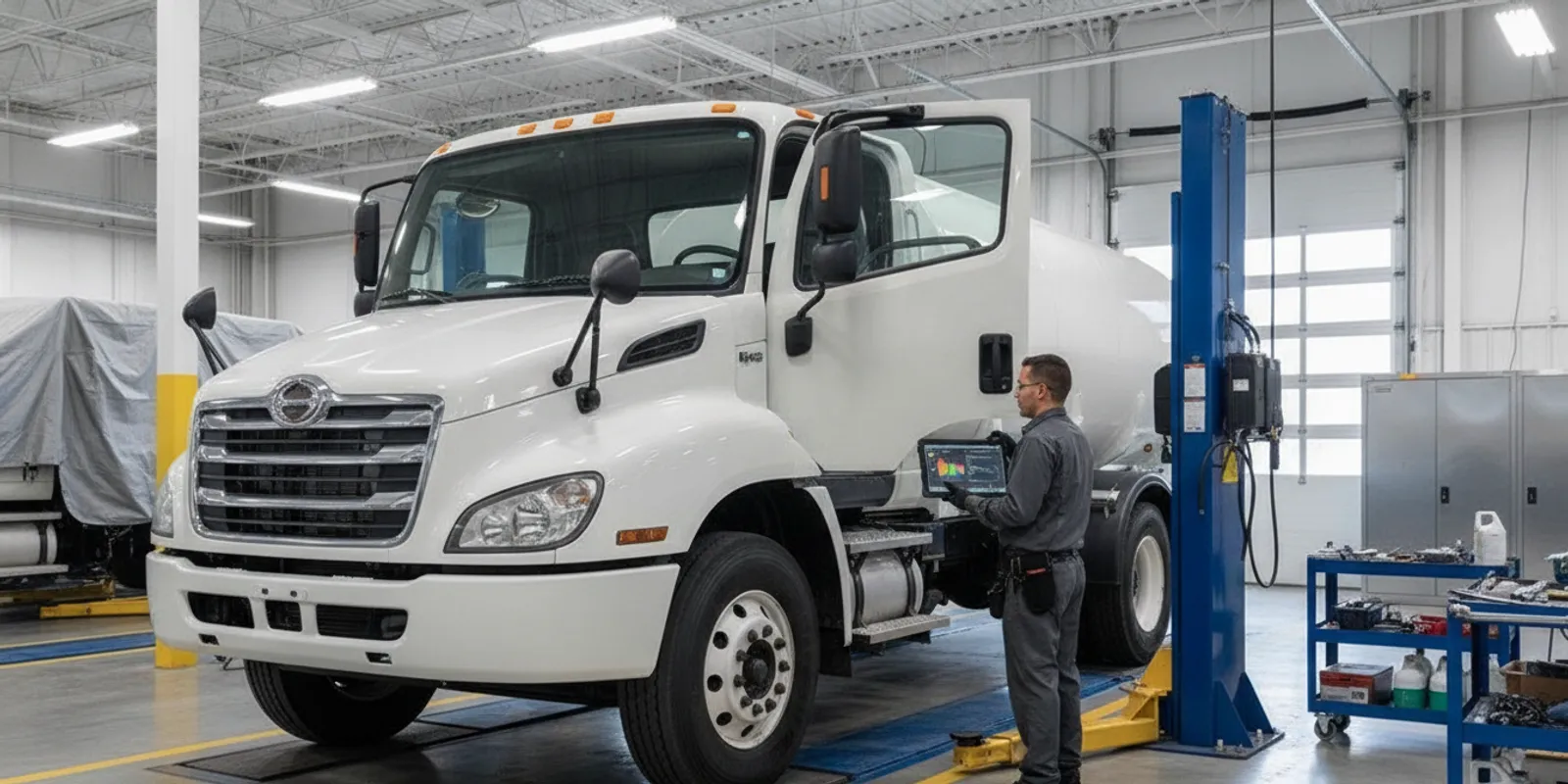
When a diesel truck shows a DPF warning or begins limiting power, the cause is not always obvious. Commercial truck DPF cleaning may be part of the solution, but a warning light alone does not tell you whether the filter needs cleaning, a sensor needs attention, or another engine or exhaust issue is interfering with regeneration. Knowing the basics can help you describe the symptoms and ask for the right diagnosis.
What does a diesel particulate filter do?
A diesel particulate filter, usually called a DPF, is part of the exhaust aftertreatment system on many diesel vehicles. It captures soot particles in the exhaust rather than allowing them to pass straight through. The filter is designed to collect soot temporarily and then reduce that soot through a process called regeneration.
Regeneration raises the temperature in the aftertreatment system so that accumulated soot can be oxidized. The truck's controls manage the process, but the conditions needed for regeneration depend on the engine, exhaust system, operating conditions, and vehicle calibration. A driver may not notice a normal regeneration, while some vehicles display a message or change the engine's sound or idle behavior. Consult the owner information for the specific truck rather than assuming every model behaves the same way.
Regeneration deals with soot; it does not make every kind of material in a filter disappear. Ash and other residues can build up over time and may require a different service approach. That distinction is one reason a technician should evaluate the system instead of treating every warning as a simple cleaning request.
For general federal background on diesel emissions and emissions-control programs, see the U.S. Environmental Protection Agency. The truck's manufacturer guidance and diagnostic information are still the key references for its specific service requirements.
Which warning signs should a driver notice?
Drivers and fleet managers should pay attention to changes in alerts, performance, and operating behavior. A single symptom may have several possible explanations, so record what happened rather than diagnosing the cause from the cab.
- DPF or aftertreatment warning: Note the exact message, indicator, or warning level shown. Take a photo when safe and permitted by company policy.
- Reduced power or a derate: The truck may feel less responsive or have restricted engine output. A derate can indicate that the control system is protecting the vehicle or responding to a fault; it should not be treated as proof that the filter alone is at fault.
- Repeated or unsuccessful regeneration messages: Write down when a message appears and whether it clears, returns, or changes after the truck is driven.
- Changes in fuel use or operating pattern: A noticeable change is useful context, especially when it coincides with warnings, but it can have causes unrelated to the DPF.
- Unusual exhaust or engine behavior: Report new smells, sounds, smoke, or temperature warnings. Do not approach hot exhaust components or attempt to inspect them while the vehicle is running.
- Warning lights beyond the DPF indicator: Record check-engine, temperature, or other alerts too. Related faults can help explain why the aftertreatment system is not operating as expected.
When a warning appears, follow the truck's manual and your fleet's safety procedures. Do not ignore a stop or service instruction, continue a route simply to force a regeneration, or attempt an improvised repair. If the message indicates that the vehicle needs attention, arrange an evaluation promptly. A clear account of the warning and the truck's recent work can make that evaluation more useful.
Why might regeneration be restricted or incomplete?
Regeneration depends on more than the filter itself. The engine and aftertreatment controls need the right operating conditions and reliable sensor information. If the truck's duty cycle, a fault, or another system condition prevents those requirements from being met, regeneration may not complete as intended.
Short trips and extended idling
Repeated short runs, frequent stops, and long periods of idling may not provide the same operating conditions as sustained work under load. For some trucks and duty cycles, that pattern can make it harder to complete a regeneration. But a route pattern is only one clue. A technician needs to compare the truck's actual use and its diagnostic data with the manufacturer's requirements.
Faults elsewhere in the engine or exhaust system
Sensor readings, wiring, exhaust leaks, engine performance concerns, or other aftertreatment faults can affect how the system measures conditions and manages regeneration. A warning associated with the DPF may therefore lead to checks beyond the filter. Replacing or cleaning a component without finding the cause can leave the original problem unresolved.
Filter loading, ash, or damage
Soot loading, ash accumulation, physical damage, and other restrictions are not interchangeable conditions. The appropriate next step depends on what inspection and diagnostic results show, along with the filter's service history and the manufacturer's procedures. A filter that is damaged or affected by another failure may need a different remedy from one that can be serviced through an approved cleaning process.
Missed maintenance or unsuitable operating decisions
Maintenance history can reveal whether a related issue has appeared before or whether earlier work was performed. Incorrect fluid, neglected engine service, unapproved modifications, or an attempt to clear warnings without diagnosis can complicate troubleshooting. Keep service records and tell the technician about recent repairs or changes. Do not disable or alter emissions equipment; follow applicable requirements and the vehicle maker's instructions.
What information should you gather before service?
A few simple notes help the service conversation begin with useful facts. They do not replace diagnostic testing, and a driver should only gather information when it is safe to do so.
- Identify the vehicle. Provide the truck's year, make, model, engine information if known, and current mileage or engine hours. The VIN can help a service team identify the exact configuration.
- Capture the warning accurately. Write down the message and any displayed code. If the display is difficult to photograph, describe the indicator and when it appeared.
- Describe the work pattern. Explain whether the truck mainly makes short local runs, idles for long periods, hauls under load, or recently changed routes.
- Note the timeline. Record when symptoms began, whether they are constant or intermittent, and whether they followed a repair, fueling event, or change in use.
- Bring the maintenance history. Include earlier warning events, diagnostic visits, filter service, engine repairs, and parts replaced, if known.
- Explain the operational impact. Tell the shop whether the truck has reduced power, cannot complete a route, or has a safety-related concern. Do not keep operating a truck against a stop instruction.
If you are evaluating a replacement vehicle because a current truck no longer fits the work, comparing available new Isuzu commercial trucks or new Chevrolet commercial trucks may help you frame different operating needs. That is a separate purchasing decision, though; it does not replace diagnosis of a truck already showing an aftertreatment warning.
What questions should you ask before commercial truck DPF cleaning?
Before authorizing a cleaning or other repair, ask the service provider to explain what the evidence indicates and what the proposed work is intended to address. A good discussion should connect the symptoms, test results, and recommended action.
- What diagnostic results point to the filter as the problem? Ask which warning information, measurements, inspection findings, or fault codes support the recommendation. Request an explanation in plain language.
- Have related causes been checked? Ask whether the shop has evaluated relevant sensors, engine or exhaust issues, wiring, and other conditions that could restrict regeneration or create a similar warning.
- What type of restriction or condition was found? Clarify whether the concern is soot loading, ash accumulation, damage, or something else. These conditions can call for different next steps.
- What exactly does the proposed service include? Ask what will be inspected or cleaned, which procedure will be used, and whether any removal or additional repairs are included. Confirm what is not included as well.
- How will you verify the result? Ask what checks will be performed afterward, how the warning or fault will be evaluated, and what findings would mean that more work is needed.
- Could an underlying issue cause the warning to return? Ask what repairs or operating changes may be needed to address a contributing cause, and what warning signs should prompt a follow-up.
- What will the truck be safe to do while awaiting service? Follow the operator's manual and the shop's advice. If a warning calls for stopping, do not use a trip as a test.
- What is the estimated scope and cost? Request an estimate that separates diagnosis, cleaning, parts, and additional work where possible. Ask the provider to seek approval before expanding the work.
Answers can vary by truck and by what testing finds. Be wary of a one-step recommendation made without asking about warning messages, vehicle use, maintenance history, or diagnostic results. Cleaning may be appropriate in some circumstances, but it should not be treated as a universal fix for every DPF-related warning.
How can a fleet reduce repeat interruptions?
There is no single operating routine that fits every truck. The owner's manual and manufacturer service information should guide vehicle-specific operation and maintenance. Fleet managers can still make the process more consistent by setting up a clear reporting and follow-up routine.
- Train drivers to report the exact message and any change in performance as soon as it appears.
- Keep a shared log of warning dates, vehicle use, repairs, and outcomes so repeat patterns are visible.
- Make sure dispatch and drivers know which alerts require stopping, prompt service, or a change in plans, based on the vehicle guidance.
- Review recurring short-trip or idle-heavy assignments with a qualified service professional instead of asking drivers to invent a regeneration procedure.
- Track whether the same fault returns after service and share that history during follow-up diagnosis.
- Schedule routine maintenance according to the specific truck's requirements and keep records accessible to drivers and service providers.
For broader maintenance planning, consult a provider familiar with commercial vehicles and the fleet's mix of makes and models. Tri-County Truck lists commercial vehicle service and parts; when you call, describe the truck and warning and ask whether the service team can evaluate that specific concern. You can also review the dealership's hours and directions before planning a visit.
What should you expect from a professional diagnosis?
A professional evaluation starts with the particular truck, its complaint, and its service history. A technician may review available fault information, inspect relevant components, and compare findings with the manufacturer's diagnostic process. Which checks are appropriate depends on the vehicle and symptoms; the repair plan should follow the evidence rather than a generic recipe.
Ask for a clear explanation of the findings and the next step before work begins. If the recommendation is cleaning, confirm what condition the cleaning is meant to resolve and how the result will be checked. If diagnosis points to a different fault, ask how it relates to the original warning and whether it needs to be addressed first. Also ask what follow-up is sensible if the message returns.
Commercial truck DPF cleaning should be considered within the larger aftertreatment system, not as an isolated maintenance ritual. A careful history, accurate warnings, and a vehicle-specific evaluation help avoid assumptions and give a fleet a more useful basis for decisions.
Contact the dealership to discuss your truck
Frequently asked questions
Does a DPF warning always mean the filter needs cleaning?
No. A warning can reflect different conditions, including a regeneration issue, a sensor or system fault, restriction, or damage. The warning and diagnostic findings should be reviewed for the specific vehicle before deciding what service is appropriate.
Can I keep driving if the truck has a DPF warning?
Follow the truck's display instructions, owner information, and company safety procedures. Some alerts call for prompt service or stopping. Do not ignore a stop instruction or continue driving to force a regeneration.
Can short trips affect the aftertreatment system?
Operating patterns with frequent short runs or extended idling may affect whether a truck can meet the conditions needed for regeneration. The effect depends on the vehicle and its use, so discuss the duty cycle with a technician rather than applying a one-size-fits-all remedy.
What should I bring to a service appointment?
Bring the truck's identifying details, the warning message or code, the timeline of symptoms, a description of its work pattern, and available maintenance or repair records. Mention any change in performance and whether the warning has appeared before.
When a DPF warning appears, accurate information and a vehicle-specific diagnosis are more useful than guessing at a cleaning procedure. Record the symptoms, follow the truck's operating guidance, and ask the service provider to explain the evidence behind the recommended work.