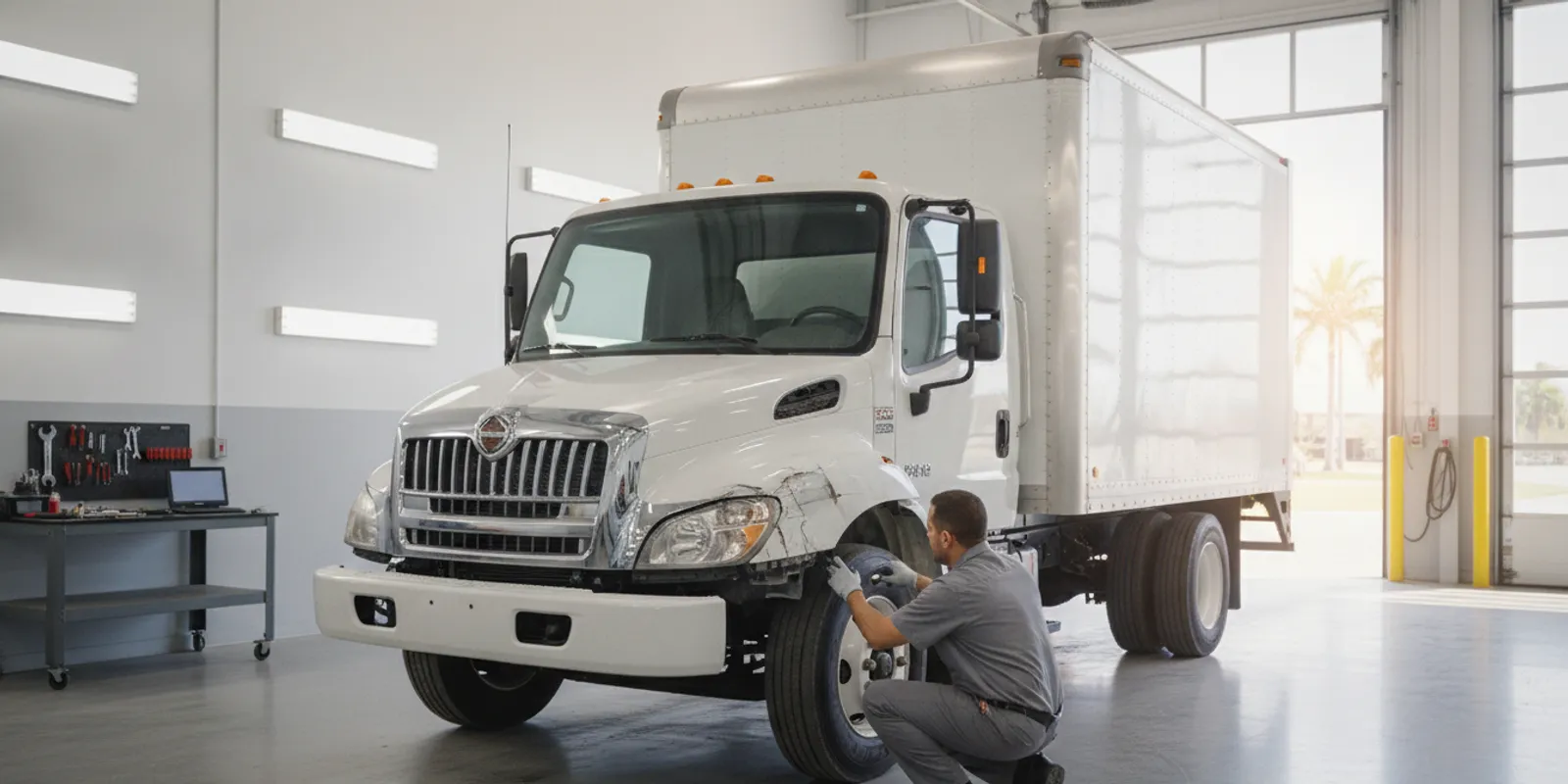
Commercial truck collision repair involves more than fixing visible dents. After a crash, the first priorities are people’s safety, a careful record of what happened, and a thorough inspection before the vehicle returns to work. A consistent process helps fleet owners make informed decisions and communicate clearly with a repair facility.
What should you do first after a commercial truck collision?
Start with safety, not the truck. Check for injuries and call emergency services when needed. Follow the directions of law enforcement and move people away from traffic if it is safe to do so. Do not stand in a travel lane to take pictures or inspect a vehicle. If there is a fire risk, a spill, downed utility equipment, or another immediate hazard, keep clear and tell responders what you see.
Once the scene is safe, secure the truck and cargo as appropriate. If the vehicle is blocking traffic or presents an immediate hazard, wait for responders or a qualified recovery operator rather than attempting a risky move. Do not assume a truck is safe to drive because it starts or because the damage looks minor. Steering, braking, suspension, tires, lights, and structural components may be affected without obvious signs.
Make a short, factual note of the time, location, direction of travel, weather and road conditions, and what happened as you understand it. Avoid guessing about fault or making conclusions before the facts are clear. Record the names and contact details of involved drivers and witnesses when it is safe and appropriate. Follow your company’s incident reporting process and any applicable legal or insurance requirements. The Federal Motor Carrier Safety Administration’s Large Truck and Bus Crash Facts is a government source for crash data; the practical implication for an individual incident is to take safety and documentation seriously, not to draw conclusions about this collision from national figures.
What information should you document?
Good documentation gives the fleet, insurer, and repair facility a useful starting point. Take photographs only from a safe position. Capture the overall scene and the truck from multiple angles, then photograph visible damage more closely. Include the vehicle identification number and license plate where practical, but protect personal and business information when sharing images.
- Photograph the front, rear, both sides, and each visible damaged area.
- Record the truck’s make, model, year, unit number, mileage, and VIN.
- Note damage to attached equipment, body, mirrors, glass, lights, tires, and cargo area.
- Document warning lights, fluid leaks, unusual sounds, or changes in handling without driving the truck to reproduce them.
- Keep tow, storage, and scene-related records, along with the incident report and correspondence.
- Save the names and contact details of witnesses and other involved parties, consistent with company policy.
Keep original photographs and notes. Make a separate copy for sharing. Add dates and brief captions so another person can understand what each image shows. If the truck carries tools, specialized equipment, or cargo, document those items and any apparent damage separately from the vehicle itself. Avoid editing original images in a way that obscures details; if you mark up a copy to identify a location, retain the unmarked file too.
Build a record another person can use
A useful incident file does not need elaborate software. Create a folder using the unit number and incident date. Put the initial notes, photographs, tow paperwork, and contact details in it, then add the estimate, inspection findings, approvals, and pickup documents as they become available. If several employees handle the event, name one person to maintain the file and note who supplied each document.
Separate observed facts from assumptions. For example, write “right rear tire appears deflated” rather than “impact broke the axle” unless a qualified inspection confirms the cause. Record symptoms in the driver’s own words when possible: a steering pull, a new warning light, or a sound heard after the impact. The repair professional can use those observations without treating them as a diagnosis.
How do you decide whether the truck can be driven?
Do not use a quick visual check as a roadworthiness decision. Damage can affect critical components beneath a body panel or cargo box. If a wheel appears displaced, a tire is damaged, fluids are leaking, the steering feels different, an air or brake warning appears, or lights do not work, keep the truck out of service and arrange a professional assessment.
Even when a truck appears to move normally, a collision may alter alignment, suspension geometry, frame condition, or the way a mounted body sits on the chassis. A qualified inspection can identify concerns that are difficult to see at the scene. If there is any doubt, ask a repair professional or recovery provider how to move the vehicle safely. Do not load it or resume a route just to test it.
Make the decision in stages. First, follow directions from emergency responders and company safety procedures. Next, relay visible symptoms and damage to the recovery provider or repair facility. Finally, arrange the appropriate inspection before deciding whether the truck can return to service. A driver should not be asked to make a technical structural assessment from the roadside.
Why should body and frame damage be assessed together?
A commercial truck’s body and chassis work as a connected system. The cab, cargo body, frame rails, crossmembers, suspension, and mounted equipment all affect how the vehicle functions. Damage to one area can change how another component fits or carries load. A dented panel may be cosmetic, but it can also conceal a mounting or structural problem. Conversely, a damaged body does not automatically mean the frame is damaged. Inspection is needed to distinguish the two.
Ask the facility to explain what it inspected and what it found. Depending on the collision, relevant areas may include frame alignment, mounting points, cab structure, doors, glass, lighting, steering and suspension attachments, and body or equipment supports. For a work truck, also consider the body’s doors, ramps, liftgate, tool storage, bed, and any upfit components. If the truck cannot safely perform its normal work, those systems matter as much as exterior appearance.
Repair decisions should follow inspection findings and the vehicle maker’s applicable repair information. Ask whether a proposed repair involves replacement, repair, or adjustment, and how the facility will confirm that the affected parts fit and function properly. If the estimate changes after disassembly, request an explanation of the newly discovered damage and how it affects the plan before approving additional work.
Connect inspection findings to the truck’s job
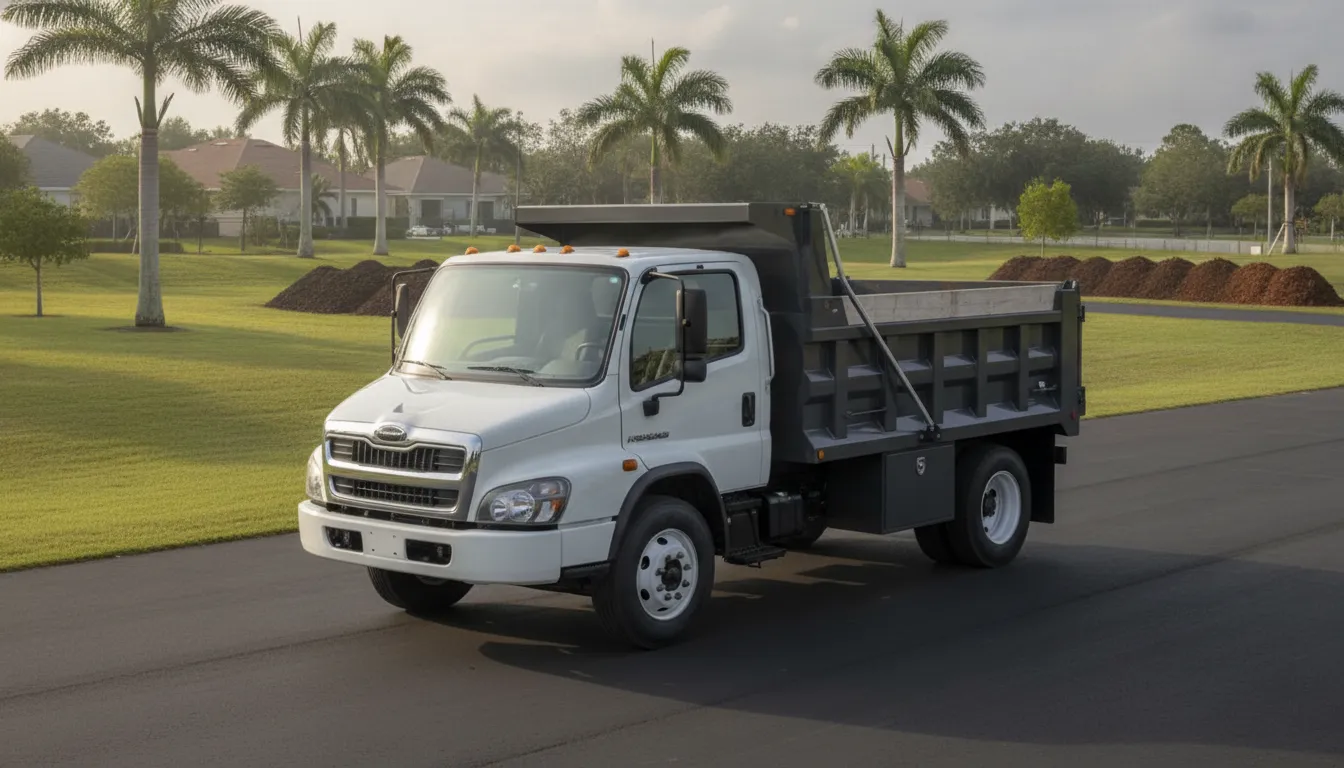
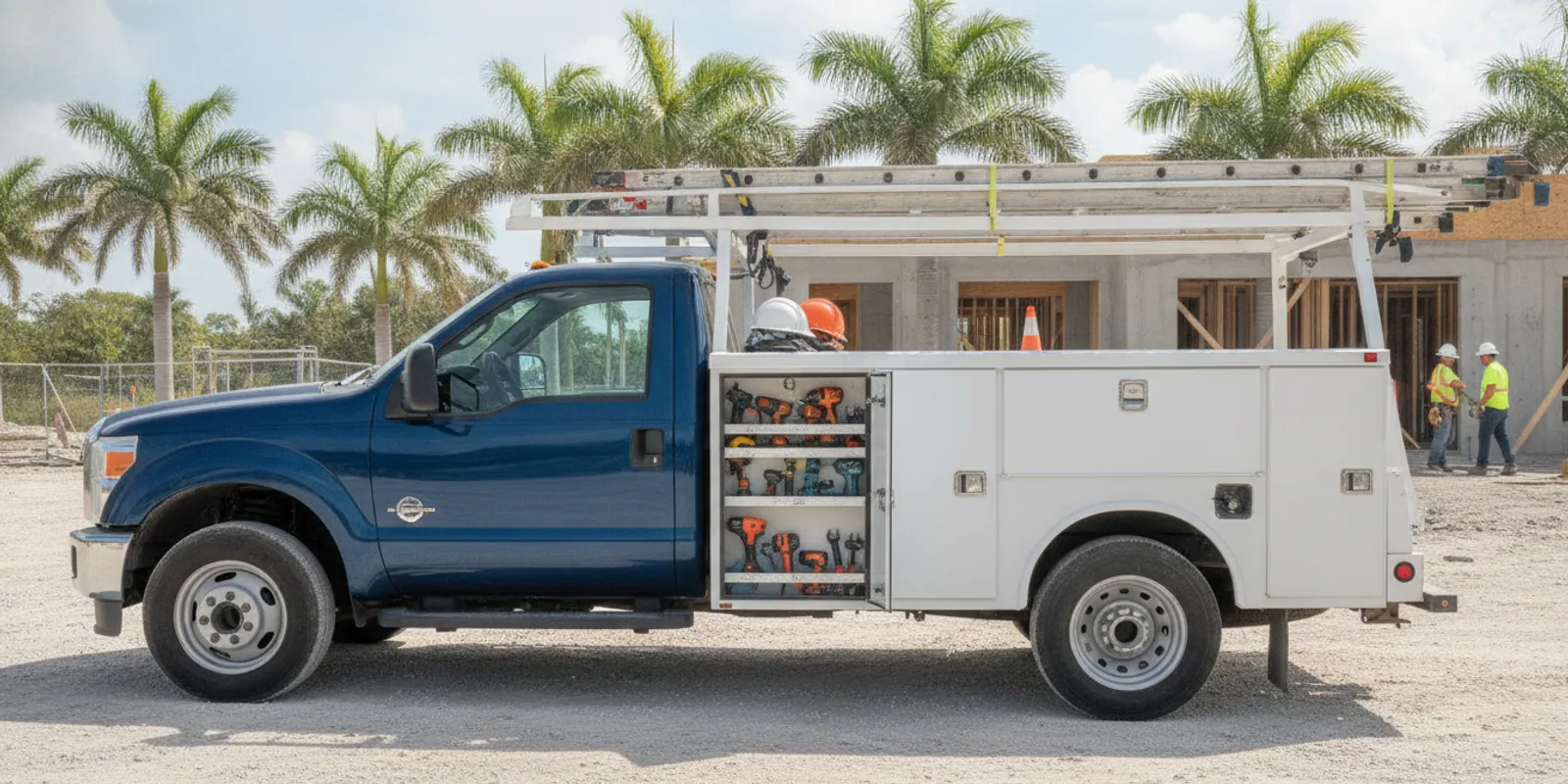
Describe normal use in concrete terms. A box truck may need secure cargo doors and a properly mounted box; a service body may rely on compartment doors and storage; a dump body involves equipment and supports beyond the cab sheet metal. A flatbed’s deck, tie-down points, and attachments may matter to the work it performs. This does not mean every listed item is damaged or requires repair. It helps the facility understand what needs inspection and what function the fleet expects after the work.
Provide details about unusual equipment, previous modifications, or existing damage. If the truck already had a dent, warning light, or repair in the affected area, say so and share prior records if available. A clear baseline helps distinguish pre-existing conditions from collision findings and can prevent confusion when the inspection report or estimate is reviewed.
How can you plan for the truck’s return to work?
Start by identifying what the truck does and which equipment it needs for that job. A delivery truck with a damaged cargo door has different operational concerns from a service body with damaged compartments or a dump truck with body and hydraulic components to assess. Give the facility a clear description of the truck’s use, typical load, and any special equipment. Do not assume that a repair plan covers every upfit or accessory unless it is listed and discussed.
While the truck is being assessed, make a simple downtime plan. Identify which routes, jobs, or deliveries depend on that unit. Consider whether another vehicle can cover the work, whether loads need to be rescheduled, and who should update customers or dispatch. These are operational decisions for your business; a repair facility should not be expected to promise when a truck will be ready before the damage and parts needs are known.
Before putting the vehicle back into service, review the completed work and any notes the facility provides. Confirm that the repair scope addressed the agreed areas and that removed equipment or cargo items have been accounted for. Ask what follow-up checks are recommended and who to contact if you notice a concern after pickup. Follow the manufacturer’s and facility’s instructions, and make the final decision to return the truck to work only when it is safe and appropriate.
Use a return-to-service checklist
- Match the work to the authorization. Compare the completed work summary with the scope you approved. Ask about any item that is missing or described differently.
- Review affected functions. Confirm the facility has addressed the systems and equipment identified in the inspection and repair plan. Ask what was checked after repair and whether the facility recommends any follow-up.
- Account for removed items. Check keys, tools, cargo, accessories, and loose equipment that were documented at drop-off, while respecting the facility’s process for vehicle access.
- Keep the paperwork. Save the final invoice or repair documents, inspection notes, any revised estimates, and your approvals with the incident record.
- Brief the driver. Share any operating instructions or follow-up observations the facility provides. If a new concern appears, stop using the truck as appropriate and contact the facility rather than ignoring it.
This checklist supports a careful handoff, but it does not replace the facility’s inspection or the fleet’s own safety procedures. If an insurer, lessor, or company policy requires specific documentation or sign-off, confirm that process before the truck resumes its normal assignment.
What should you ask a collision repair facility?
Clear questions help you compare the proposed work and avoid misunderstandings. Share the incident details, photos, truck information, and intended use. Then ask the facility to explain its inspection and communication process in plain language.
- What areas will you inspect beyond the visible damage?
- How will you assess possible frame, suspension, mounting, or alignment concerns?
- Will you inspect the work body and attached equipment as well as the cab?
- How will you document concealed damage found after disassembly?
- What items are included in the written repair estimate, and what is excluded?
- How will you explain estimate changes and seek authorization before additional work?
- What information or records should I provide, and what should I keep?
- What should I review at pickup, and who should I contact with a repair concern?
Ask about timing only as an estimate after the facility has inspected the vehicle and understands the required work. Parts availability, hidden damage, and the repair scope can affect the schedule. Avoid making customer or dispatch commitments based on an unconfirmed completion date.
Clarify the estimate before authorizing work
Ask whether the estimate is based on an initial visual review or a more complete inspection. Some damage may not be visible until parts are removed. Find out how the facility will communicate if that happens, what documentation it will provide, and how you can authorize a revised scope. Agree on the preferred contact method and who in your company has authority to approve changes.
Also clarify what is not included. If a truck has a mounted body, liftgate, specialized storage, decals, or accessories, confirm whether those items were considered and whether a separate assessment may be needed. An explicit exclusion is easier to address early than a surprise after work begins. Keep the estimate version and date with your notes so everyone is discussing the same document.
How can you compare repair estimates?
A low total is not the only useful comparison. Read each estimate for the same truck and incident, and check whether it describes the same work. One estimate may include an inspection or equipment repair that another has not yet evaluated. If details differ, ask for clarification rather than comparing totals in isolation.
| Compare | What to check | Question to ask |
|---|---|---|
| Damage scope | Visible and concealed areas to be inspected or repaired | Which areas remain uninspected or provisional? |
| Structure and chassis | Frame, mounting, suspension, and alignment assessment where relevant | How will you report findings and verify the repair? |
| Work body and equipment | Doors, compartments, liftgate, bed, or other installed components | Are these items included in this estimate? |
| Parts and operations | Parts, labor, repairs, replacements, and any stated exclusions | What changes could require a revised estimate? |
| Communication | Contact person, update process, approvals, and pickup review | How will I approve any added work? |
The estimate is a planning document, not a guarantee that no additional damage will be found. Keep a copy of each estimate and record what you authorized. If an insurer is involved, coordinate required documentation and approvals with the insurer and facility; do not assume either party has approved work on the other’s behalf.
Compare like with like
When two estimates differ, list the differences instead of asking only which is cheaper. Check whether both account for the same damaged areas, vehicle configuration, body equipment, and requested operations. Ask whether one estimate is preliminary and the other reflects additional inspection or disassembly. A difference may reflect scope, assumptions, or information available at the time; the written explanation is more useful than guessing.
Record the decision process: which estimate you reviewed, what questions were answered, what work was approved, and whether insurer coordination is still pending. This creates a clear reference if the scope changes. It also helps a fleet manager explain the decision internally without relying on memory or a verbal summary.
What local resources can help with the next step?
Tri-County Truck’s body shop in Pompano Beach is a local resource to contact about collision repair. Explain the truck type, what happened, visible damage, and whether the vehicle is safe to move. Share photographs and records, and ask what inspection and estimate information the facility can provide. No repair scope or completion date should be assumed before an assessment.
If the truck needs service beyond collision work, you can also ask about the dealership’s service and parts department. For fleet owners, the useful next step is to provide an accurate description and let the facility clarify what it can inspect or address.
When you call, having the unit number, VIN, approximate mileage, incident date, and a short description of the symptoms nearby can make the initial conversation more focused. If the truck is at a tow yard or another location, explain that too and ask what information is needed to discuss an inspection. The conversation is a starting point; it is not a substitute for an on-site assessment or confirmation of repair scope.
Contact the Pompano Beach body shop
Frequently asked questions
Can a commercial truck be driven after a minor collision?
Not based on appearance alone. Hidden damage can affect safety systems, steering, suspension, brakes, or structure. If there is doubt, keep it out of service until a qualified professional advises on inspection and safe movement.
Should I take pictures before the truck is moved?
Only when it is safe and does not interfere with emergency response or traffic. Never enter a dangerous area for a photograph. Follow responder instructions and document the scene from a safe location.
Does visible body damage mean the frame is damaged?
No. Visible damage does not prove frame damage, and an intact-looking exterior does not rule it out. A suitable inspection is needed to determine whether the frame or related components are affected.
What if more damage is found during repair?
Ask the facility to document the additional findings, explain how they change the repair plan or estimate, and obtain the required authorization before proceeding. Keep the updated estimate and approval with your records.
After a collision, prioritize safety, preserve accurate information, and get the truck assessed before planning its return to work. A clear discussion with the repair facility can help you understand the scope and make the next decision with better information.