

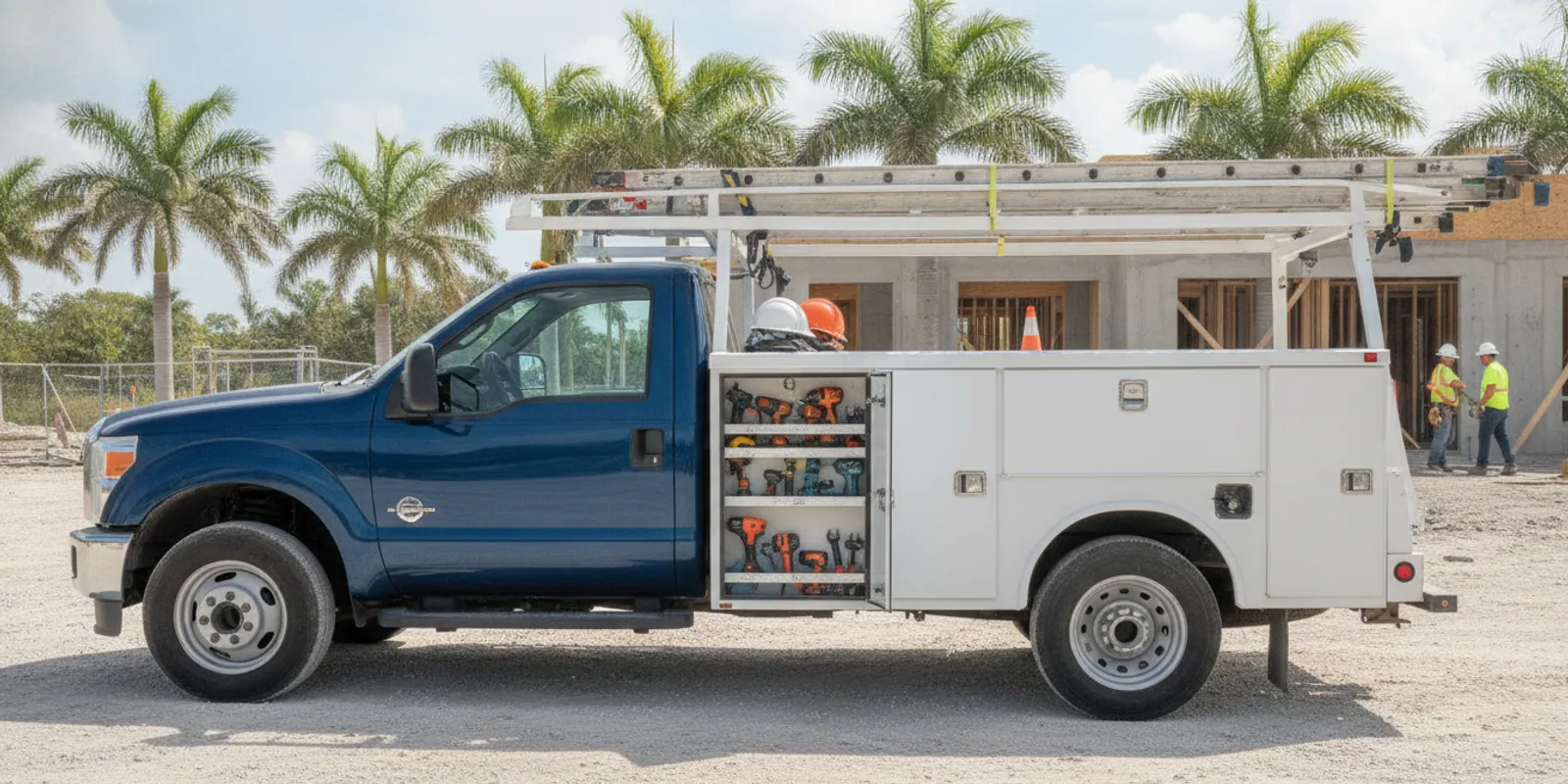
Custom utility truck beds need to fit the work, the truck, and the way crews use both every day. When a bed is damaged, no longer suits the job, or creates problems with access and storage, it can be hard to tell whether a repair will solve the issue or whether a larger change is needed. Start by documenting the condition and the work the truck must do, then have the bed and surrounding body assessed before deciding.
Talk with the team about a truck body assessment
What should a utility bed do for your business?
A utility bed is part of the work system, not just a place to carry tools. Its compartments, doors, surfaces, mounting points, and access paths affect how a crew loads equipment, reaches supplies, and keeps items secured while traveling. A layout that works for one trade or service route may not fit another.
Before planning a repair or a new configuration, write down the jobs the truck handles in a typical week. Note the equipment that stays on the vehicle, the items loaded only for certain calls, and the supplies that need quick access. Consider who uses the truck and whether several people need the same tools in the same places. These details help separate a genuine bed problem from a storage routine that has changed.
- List the tools and materials that ride on the truck every day.
- Identify items that need to be protected from weather, secured, or separated from other cargo.
- Describe when workers have difficulty reaching equipment or moving around the truck.
- Note any new work the truck is expected to take on.
Keep this list practical. It does not need to prescribe a particular bed or brand. It gives a body professional a clearer picture of the function the truck must serve and the conditions that prompted the conversation.
It can help to sketch the current arrangement, even if the drawing is simple. Mark which compartments hold daily-use tools, where larger items ride, and which doors are opened most often. Then mark what you would change and why. A specific note such as a note about moving access for the frequently used kit away from the rear gives the discussion more direction than a general comment that the bed needs to be better. Do not treat a sketch as a final design or assume that every requested change will fit; use it to explain the crew’s priorities and invite questions about the truck’s configuration.
Think about who needs access, too. If several workers use the vehicle, ask them to describe the same routine rather than relying on one person’s habits. Their answers may show that the issue is a damaged part, an inconvenient storage arrangement, or a combination of both. That distinction can help focus the assessment without locking the business into a solution too early.
Which signs point to damage rather than a poor layout?
Visible damage may include a bent panel, a door that no longer closes properly, a damaged compartment, a loose or distorted section, or signs that a mounting area has shifted. Corrosion, cracks, and repeated contact damage also deserve attention. A bed can look usable while a door, latch, or support area is becoming less dependable, so record changes as soon as they appear.
Separate the observations from your assumptions. Instead of writing “the bed is unsafe,” note what you see: “the passenger-side compartment door catches at the top,” or “the rear corner has moved after contact with a loading dock.” Include when the issue began, whether it has changed, and whether it happens with the truck empty or carrying its usual equipment. Photos from a few angles can help show the location and scale.
If a part is loose, a door cannot be secured, or the truck’s condition raises an immediate concern, do not rely on a quick adjustment as a substitute for an assessment. Follow your company’s safety procedures and arrange appropriate professional evaluation before returning the vehicle to the same use. The right response depends on the actual condition of the truck and bed.
When can a repair be the practical next step?
A repair may be worth evaluating when the problem is localized and the bed otherwise continues to match the work. For example, one damaged compartment door or a specific area affected by a minor collision may not mean the entire bed needs to be changed. A commercial body professional can inspect the affected area and nearby structure, then explain what repair would involve.
Ask how the proposed work addresses the source of the problem, not just the visible symptom. If a door is out of alignment, find out whether the surrounding panel or mounting area also needs attention. If the bed was struck, ask which adjacent sections should be checked. A repair plan should be clear about the condition being addressed and any parts of the bed that are outside its scope.
Consider repair when:
- The damage appears limited to one section or component.
- The existing compartments and access points still suit the crew’s work.
- The bed’s basic structure and attachment points can be assessed and addressed.
- A repair can restore the function you need without creating a new obstruction or access issue.
These are discussion points, not a remote diagnosis. Damage can extend beyond what is visible, and the truck’s age, configuration, condition, and intended use all matter. An in-person review is needed to establish what work is appropriate.
When should you consider changing the layout?
A layout change may be a better question when the bed itself remains serviceable but the work has changed. Perhaps crews now carry different tools, need a different pattern of compartment access, or are losing time because frequently used equipment is difficult to reach. A layout conversation can help define the problem before anyone selects or modifies equipment.
Walk through a normal task from arrival to departure. Which tools come out first? Does the operator need to reach them from the curb side, the rear, or another position? Is there enough room to open doors where the vehicle is usually parked? Are ladders, long materials, or bulky tools carried in a way that interferes with compartments? Consider access while parked in a tight work area, not only in an open lot.
Also think about how the proposed change interacts with the truck. Added equipment or a different arrangement can affect available space, access, and how the vehicle is used. Explain the intended change to the body professional and ask what information they need about the truck and its normal load. Do not assume that an attachment, compartment, or alteration will fit simply because it fits another truck.
When does replacement deserve a closer look?
Replacement may be one option to discuss when damage is extensive, when several sections need work, or when the current bed no longer supports the truck’s job. It can also make sense to compare replacement with repair if repeated problems return or if a repair would still leave the business with a layout that does not fit its needs. Only an inspection and a clear description of the intended use can help determine whether replacement is appropriate.
Do not compare options by one visible detail alone. A bed that appears badly damaged may have repairable areas, while damage that looks minor can involve adjacent sections that need assessment. Likewise, a newer or different bed is not automatically the right solution if its size, access, mounting, or configuration does not suit the truck and work.
Ask for the reasoning behind each option. What condition makes repair, alteration, or replacement preferable? Which truck details must be confirmed? What functions will the proposed work restore or change? What needs to be inspected after the work? Answers to those questions are more useful than choosing a direction based on appearance alone. For a neutral industry resource alongside a direct discussion with a body professional, the NTEA, The Work Truck Association, offers information for the work truck industry.
What truck information should you gather before an assessment?
Prepare basic identification and configuration details so the assessment can focus on the actual vehicle. Bring the truck’s year, make, model, and any available vehicle identification information. Note the bed type, known modifications, and any previous body work if you have those records. Photos of labels or identifying plates can help if the details are not immediately available.
- Take clear photos of the full truck from both sides, the rear, and the area of concern.
- Photograph each affected panel, compartment, door, latch, or mounting area up close.
- Write down when the damage or change in function was first noticed.
- Describe the truck’s usual work, regular equipment, and typical operating conditions.
- List any modifications, repairs, or recurring issues you know about.
- Identify any schedule constraints, such as a planned period when the vehicle can be evaluated.
Be candid about what happened if the cause is known. If the truck contacted an object, carried a changed load, or developed a problem over time, that context can help direct the review. Avoid removing or altering parts before the assessment unless needed for an immediate safety reason and handled by a qualified person.
What questions should you ask about the proposed work?
A useful assessment should help you understand the condition, possible next steps, and what remains uncertain. Ask the body professional to describe the areas reviewed and whether additional inspection is needed. If more than one path is possible, request a plain explanation of the difference in scope and the function each option is intended to restore.
- Which areas of the bed and truck body have been inspected?
- Is the visible damage limited to one section, or should nearby areas be checked further?
- What work would be included in a repair, layout change, or replacement option?
- Are there existing modifications or fit concerns that affect the recommendation?
- What information or measurements are still needed before a plan can be confirmed?
- What should we check at handoff to confirm the completed work meets the agreed scope?
Ask for the recommendation and its limits in writing, especially if the assessment identifies additional work that was not initially apparent. Confirm how any changes to the scope will be discussed before work proceeds. The goal is to understand the decision and its practical effect on the truck, not to choose a particular repair method in advance.
How can you avoid repeating the same bed problem?
After the immediate issue is addressed, use what you learned to improve the truck’s daily routine. If tools were difficult to reach, review where they are stored and how often they are needed. If damage happened in a tight work area, consider how the vehicle is positioned or whether the crew has a way to spot obstacles. If a compartment is repeatedly overloaded, document the load and discuss suitable storage practices with the appropriate professional.
Set a simple recurring check for doors, latches, visible damage, and loose items. Ask drivers to report a new issue promptly and include its location and circumstances. Keep inspection notes and repair records with the vehicle’s maintenance information so the next assessment has useful context. A routine check does not replace professional repair or inspection, but it can make changes easier to notice and explain. For ongoing vehicle maintenance beyond the bed concern, the dealership also offers commercial vehicle service and parts.
If a truck’s work changes again, review the bed’s arrangement before adding equipment or changing how cargo is carried. A short planning conversation can reveal access or fit questions early. For a broader look at the dealership’s commercial body repair services, see the body shop page.
How do you choose a sensible next step?
Start with the condition of the bed, then consider whether the current layout still suits the work. A localized, assessable issue may call for a repair discussion. A usable bed with an inconvenient arrangement may call for a layout review. Extensive damage or a mismatch between the bed and the truck’s current job may make replacement worth comparing. These are starting points for a professional assessment, not firm rules that determine the answer from a description or photograph.
Write down the symptoms, take photos, describe the truck’s daily tasks, and bring the details you have about its configuration. Then ask what is known, what needs closer inspection, and how each proposed option changes the truck’s function. Tri-County Truck’s body shop handles commercial body and collision repair, including paint, frame work, and fleet body restoration. The team can discuss whether an assessment is an appropriate next step for your truck.
Discuss your truck with the body shop
Frequently asked questions
Can a utility bed be repaired after collision damage?
It may be repairable, but the answer depends on the damage and the truck’s condition. Have the affected area and nearby sections assessed before deciding whether repair or another option fits.
Should I replace a utility bed if my crew’s work has changed?
Not necessarily. First identify what no longer works: storage, access, space, or another requirement. A layout review may be relevant if the bed remains serviceable, while replacement is one option to discuss if the current setup cannot meet the need.
What should I bring to a body assessment?
Bring the truck’s identifying details, photos of the issue, a short description of when it began, information about prior repairs or modifications, and a list of the work and equipment the truck supports.
Can photos confirm whether my truck needs a new bed?
Photos can help explain what you have noticed, but they cannot establish the full condition or confirm fit and configuration. An in-person assessment is needed before deciding on repair, alteration, or replacement.
Clear observations and a practical description of the work give the body team a better starting point for discussing the right next step for your truck.