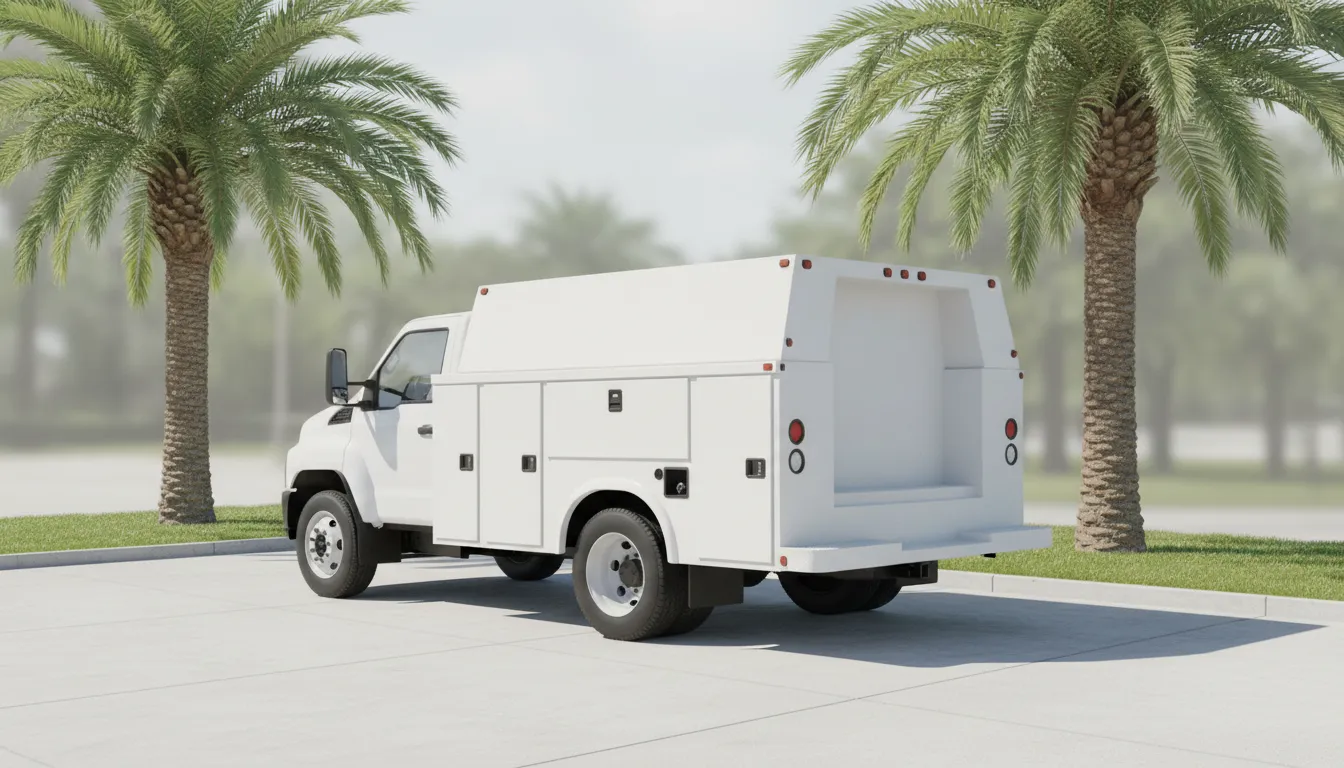
The best commercial utility truck for contractors is the one that matches the job you run most days, not the biggest truck on the lot. Start with the cargo, the crew, and the sites you enter. Then match a body and a chassis that can carry that work without crowding the cab or the payload.
Call (954) 971-4022 to compare commercial utility trucks with Tri-County in Pompano Beach.
A service body, a landscape dump, a stake bed, and a flatbed can all be called a utility truck. They do not do the same job. At Lou Bachrodt's Tri-County Truck in Pompano Beach, crews compare Chevrolet, Isuzu, and Hino chassis with bodies such as landscape dumps, dump bodies, flatbeds, box trucks, and service bodies. The right match is a configuration question first and a brand question second.
This guide walks through that comparison. It does not replace a weight ticket or a chassis manual. After you narrow the body, use the truck body upfit checklist before anyone orders compartments, a liftgate, or a crane.
Match the truck to the work you do most
Write down the jobs that fill the calendar, not the rare heavy haul. A contractor who spends four days a week on service calls and one day hauling material needs a different truck from a crew that dumps mulch or debris every morning.
Ask three questions before you look at inventory:
- What leaves the shop every morning: hand tools, boxed parts, loose material, pallets, or long stock?
- How many people ride, and do they need a regular cab or a crew cab?
- Where does the truck stop: residential driveways, tight job sites, or open commercial yards?
Tri-County works with landscapers, movers, construction companies, window installers, haulers, painters, and maintenance contractors across Pompano Beach, Deerfield Beach, Oakland Park, and Fort Lauderdale. Those trades share the same lot, but they do not share one body style. A window crew wants locked compartments and a clean load floor. A landscape crew wants a bed that dumps. A general contractor may want an open bed that takes lumber one day and a pallet the next.
If the work is mixed, pick the body for the job you cannot do without. Rent or add a trailer for the exception. Buying a heavier chassis only for the odd load raises fuel use, insurance, and the chance you need a commercial driver's license.
Best commercial utility truck for contractors, by job
Body type decides how the crew loads, secures, and reaches the cargo. Chassis class decides how much the finished truck can weigh. Look at both together, then confirm the completed truck with the dealer before you order an upfit.
| Contractor job | Body that usually fits | What to confirm |
|---|---|---|
| Service calls. | Service body. | Door swing and compartment depth. |
| Landscape work. | Landscape dump. | Bed volume and gate clearance. |
| Material drops. | Stake bed or flatbed. | Deck length and tie-downs. |
| Dry, enclosed loads. | Box or cutaway. | Interior height and liftgate weight. |
Service bodies keep tools organized and off the weather. They are a poor choice when the load is loose fill, sod, or demolition debris. Dump and landscape bodies handle that material. They waste the side storage a service tech uses all day. Stake beds and flatbeds sit in the middle. They are easy to load from the side and harder to lock up overnight.
Service and utility bodies
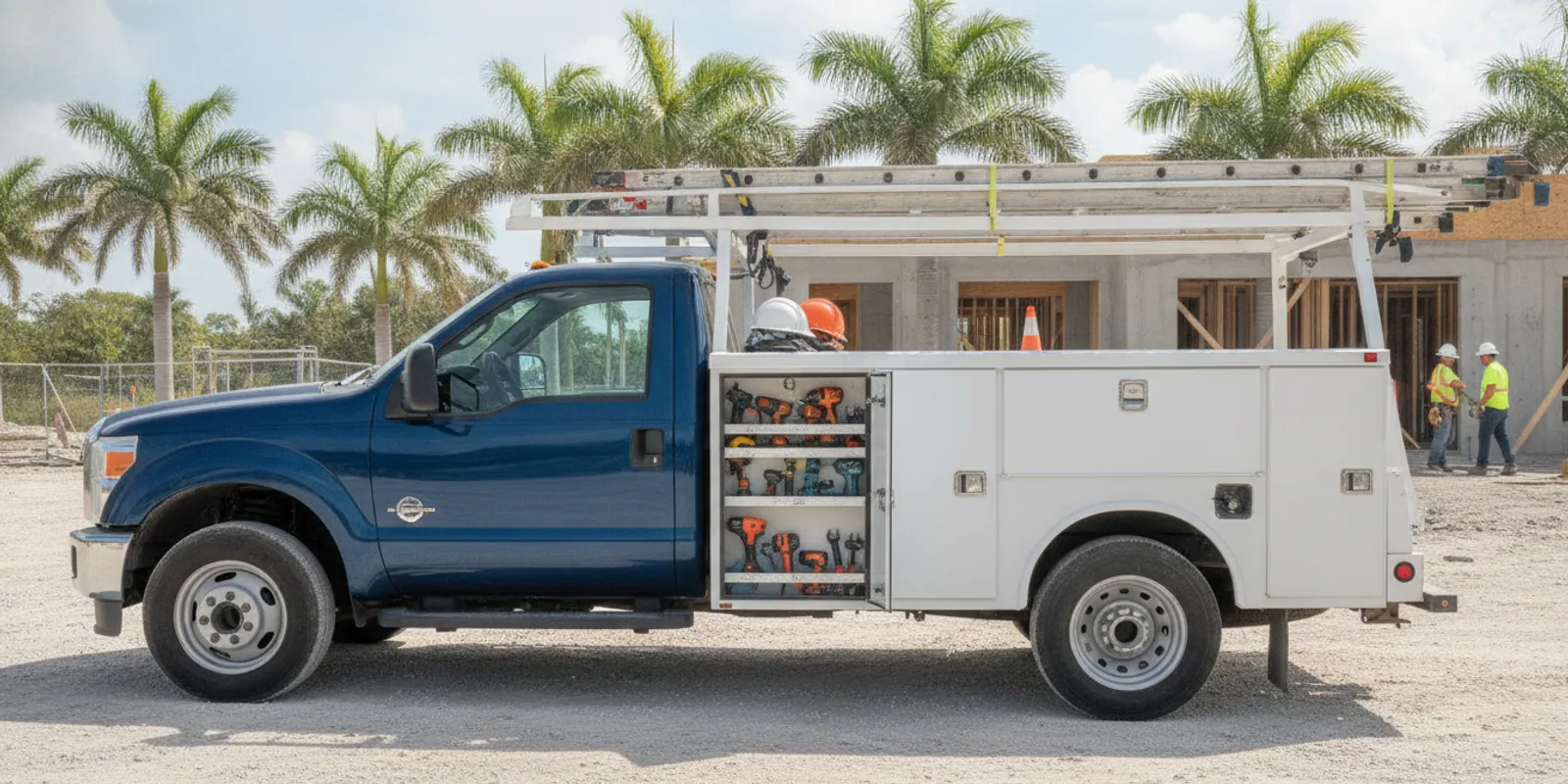
A service body replaces the pickup bed with compartments on both sides and a center load floor. Electricians, HVAC techs, plumbers, and mobile repair crews use it because the part they need is in the same door every morning. Look at door swing before you look at paint color. A door that hits a wall, a trailer, or the tech standing beside it slows every stop.
Ask whether the center floor is long enough for the longest item you carry flat, such as a ladder section, a conduit bundle, or a compressor. A ladder rack solves some of that and adds height. If the crew parks under a carport or a low shop door, measure the rack, not just the cab.
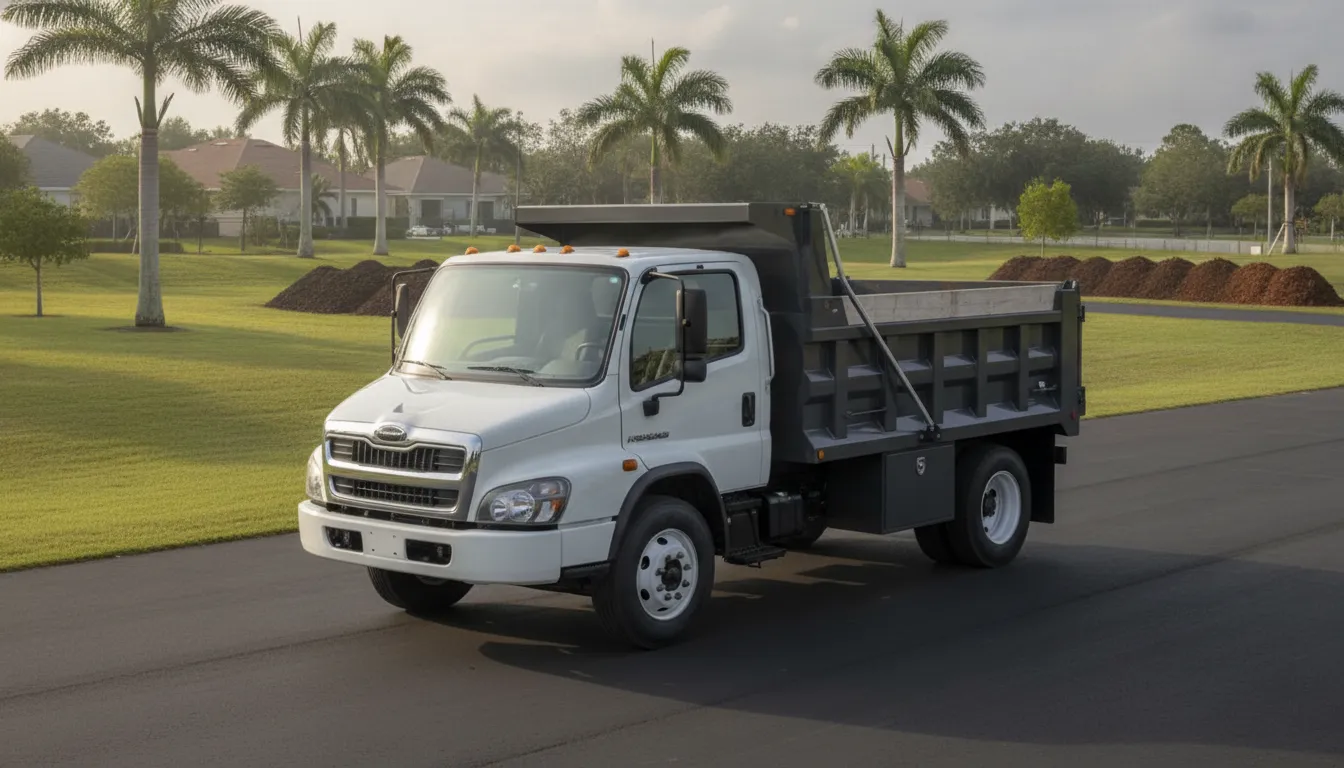
Landscape dumps and dump bodies
Landscapers and site-cleanup crews live with loose material. A landscape dump or a dump body lets them unload mulch, soil, or debris without shoveling it off a flat deck. Side height and bed volume matter more than a long list of compartments. So does the raised height of the bed when it dumps under trees or a covered entry.
A dump is the wrong daily truck for a crew that needs locked parts at every house. The bed is one open box. Anything small has to ride in a cross box or in the cab. If half the week is service and half is debris, say so out loud. Some crews run a service body and rent a dump for cleanup days. Others accept a dump and keep a small locked box for hand tools.
Stake beds, flatbeds, and enclosed bodies
General contractors who move lumber, drywall, and pallets often want a stake bed or a flatbed. You can load from the side, and you can pull stakes when the load is wider than the deck. The tradeoff is security. An open deck does not protect tools overnight the way a service body does. Plan tie-downs and a way to lock the high-value gear.
Choose a box body, an enclosed service body, or a cutaway when the load has to stay dry or out of sight. Glass, finished cabinetry, and boxed parts belong here. Interior height and the rear door decide whether a pallet jack or a two-person carry works. A liftgate helps, and its weight comes straight out of payload.
Once a service body is the answer, stop and read the measurements on our service body truck specifications page. That guide covers body length, compartment openings, and cab-to-axle fit. This one only decides whether a service body is the right starting point.
You can browse live configurations on the commercial utility trucks page, including new and used Isuzu and Hino trucks plus landscape dumps, dump bodies, flatbeds, and box trucks. Inventory changes, so treat a listing as a starting point and ask the sales desk what is on the ground in Pompano Beach.
Size the chassis before you fall in love with the body
A good-looking body on the wrong chassis is an expensive mistake. The manufacturer prints a gross vehicle weight rating, or GVWR, for the single vehicle. Federal rules define GVWR as the value the manufacturer specifies as the loaded weight of that vehicle. The body, fuel, passengers, tools, and cargo all count toward it. So do a crane, a liftgate, and a full tank.
Federal CDL standards also use weight to decide who may drive the truck in commerce. A heavy straight vehicle needs a commercial driver's license when its GVWR or gross vehicle weight is 26,001 pounds or more. A combination can cross that line sooner when the truck and a trailer together reach 26,001 pounds and the towed unit is over 10,000 pounds. Those lines come from the commercial driver's license definitions in 49 CFR 383.5. Florida may add its own licensing rules, so confirm the finished truck with your insurer and the state before you assign a driver.
For many contractor crews, a medium-duty cab and chassis stays under that 26,001-pound line and still carries a useful body. That is a planning target, not a promise. A long service body plus a compressor can eat the payload you thought you had. Ask the dealer for three numbers: chassis curb weight, body weight, and the payload left after passengers. Do not guess those numbers from a brochure photo.
Walk the comparison in this order:
- List the heaviest normal day, including people, fuel, tools, and cargo.
- Pick the body that can carry that day, then get its installed weight.
- Choose a Chevrolet, Isuzu, or Hino chassis whose GVWR still has room left.
- Recheck height, length, and cab-to-axle after the body is on the frame.
- Confirm who on the crew can legally drive the finished truck.
Cab style matters as much as weight. A regular cab leaves more cab-to-axle room for the body. A crew cab carries the people and shortens the body you can mount. If two techs ride every day, buy the seats. If the second person only rides on bid days, a regular cab and a smaller truck may be the better daily driver.
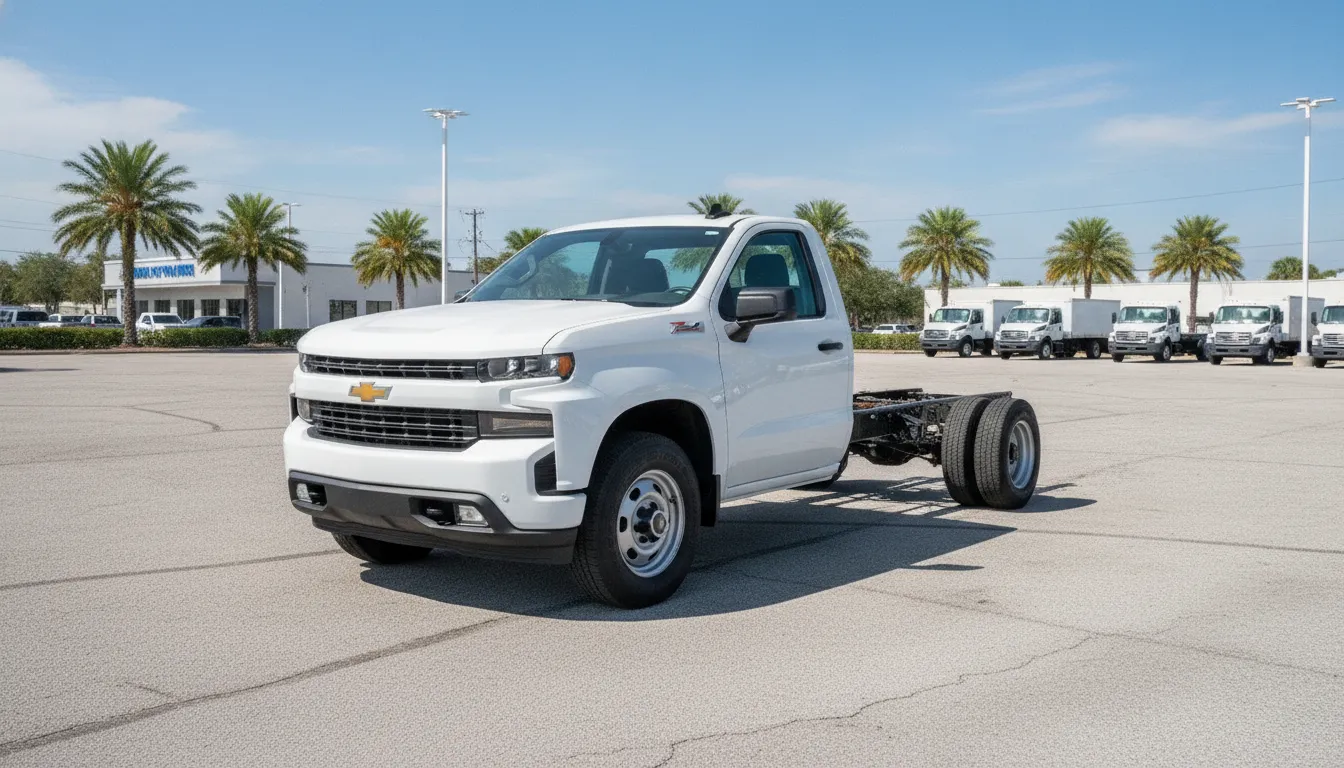
Isuzu cab-and-chassis trucks are a common base for these bodies. Our Isuzu cab and chassis guide compares how an open chassis takes a service body, flatbed, dump, or box. Use it when you already know the body and need the chassis length. Chevrolet and Hino chassis belong in the same conversation when the crew wants a different cab, powertrain, or parts source. Tri-County sells and services all three at 1801 West Atlantic Boulevard.
Check the sites, the crew, and the upfit
South Florida job sites punish a truck that is only "big enough" on paper. Measure the places you actually park.
- Overall height against tree limbs, parking garages, and shop doors.
- Overall length against the driveway or alley you back into.
- Turning room on a cul-de-sac or a fenced yard.
- Side clearance so compartment doors or stake sides can open.
A landscape dump that clears the gate is more useful than a larger dump that has to be parked on the street. The same idea applies to a service body whose doors hit a wall every morning.
Then list the equipment that is not the body itself. Ladder racks, cross boxes, inverters, PTOs, and liftgates change weight, height, and where the tech stands. Bring that list to the upfit conversation. If you want a cost range before that meeting, our truck upfitting cost guide covers the questions that move the price. It does not quote a Tri-County package, because the number depends on the chassis and the body you choose.
New and used both work when the configuration is right. A used service body with the compartments you need can beat a new chassis that still needs a six-month upfit. A new cab and chassis can be the better buy when you want a specific wheelbase and a body built for your crew. Tri-County offers complimentary delivery in Florida on trucks it sells, plus commercial financing and trade-ins if the old truck is part of the deal. Sales is open Monday through Friday into the evening and Saturday morning. Call (954) 971-4022 to ask what is available before you drive over.
Plan the truck after it joins the fleet
The best configuration still fails if nobody can service it. Utility bodies, dump hinges, and liftgates need their own checks on top of the chassis oil and filters. Build that into the buying talk. A truck that has to leave the county for body parts is a truck that misses jobs.
Tri-County's Pompano Beach shop handles commercial service, genuine parts, and collision repair, with a body shop on site. Service hours run Monday through Friday and Saturday morning. After you take delivery, follow a written plan such as our commercial utility truck maintenance schedule so daily inspections and body items do not get skipped.
Keep the upfit paperwork with the title. The next buyer, the insurer, and the tech all need to know what was added and what the truck is rated to carry. That file is part of owning a contractor truck, not an extra chore.
A simple way to compare two trucks on the lot
When two trucks both look right, score them on the work instead of the sticker. Give one point for each item that is already solved: the body type, the cab seats, the remaining payload, the overall height, and a service shop that can work on that brand. The truck with the higher score is usually the better commercial utility truck, even when the other one has more chrome or a lower mile reading.
Bring the losing truck's gaps back to the salesperson. Sometimes a different wheelbase or a shorter body fixes the only miss. Sometimes it does not, and you should wait for the next unit. Tri-County can also talk through financing and a trade if the truck you drive now is part of the decision. The goal is a truck the crew will still want on a rainy Monday, not a truck that only looks right in the showroom.
Frequently asked questions
What is a commercial utility truck?
It is a work truck set up to carry tools, materials, or both, usually on a cab-and-chassis with a vocational body. Contractors use service bodies, dumps, stake beds, flatbeds, and box bodies. The name describes the job setup more than one factory model.
Is a service body the best utility truck for every contractor?
No. It fits crews that live out of locked compartments, such as electrical, HVAC, and mobile repair. Landscapers and debris haulers usually need a dump or landscape body. General contractors who haul lumber and pallets often prefer a stake bed or flatbed.
Do I need a CDL for a contractor utility truck?
Often no, if the finished straight truck stays under 26,001 pounds GVWR and you are not hauling placarded hazardous materials or a trailer that pushes the combination over the federal line. A heavier chassis, a heavy body, or a trailer can change that. Confirm the completed truck's GVWR and your driver's license with the dealer and your state licensing office.
Should I buy the body and chassis together?
Buy them as one planned truck even if they arrive in two steps. The body has to match the wheelbase and cab-to-axle length, and the finished weight has to stay inside the chassis rating. A dealer that sells Chevrolet, Isuzu, and Hino can check that fit before you commit.
Where can I compare contractor trucks in Pompano Beach?
Lou Bachrodt's Tri-County Truck stocks new and used commercial trucks at 1801 West Atlantic Boulevard, Pompano Beach, FL 33069. You can review bodies and chassis on the lot, then use the service and parts departments after the truck is in your fleet.
See commercial utility trucks that fit the job
Bring your crew size, your heaviest regular load, and the sites you enter. We will help you compare a service body, dump, stake bed, or flatbed on a Chevrolet, Isuzu, or Hino chassis instead of guessing from a photo. Start with the commercial utility trucks on our home page, or call (954) 971-4022.