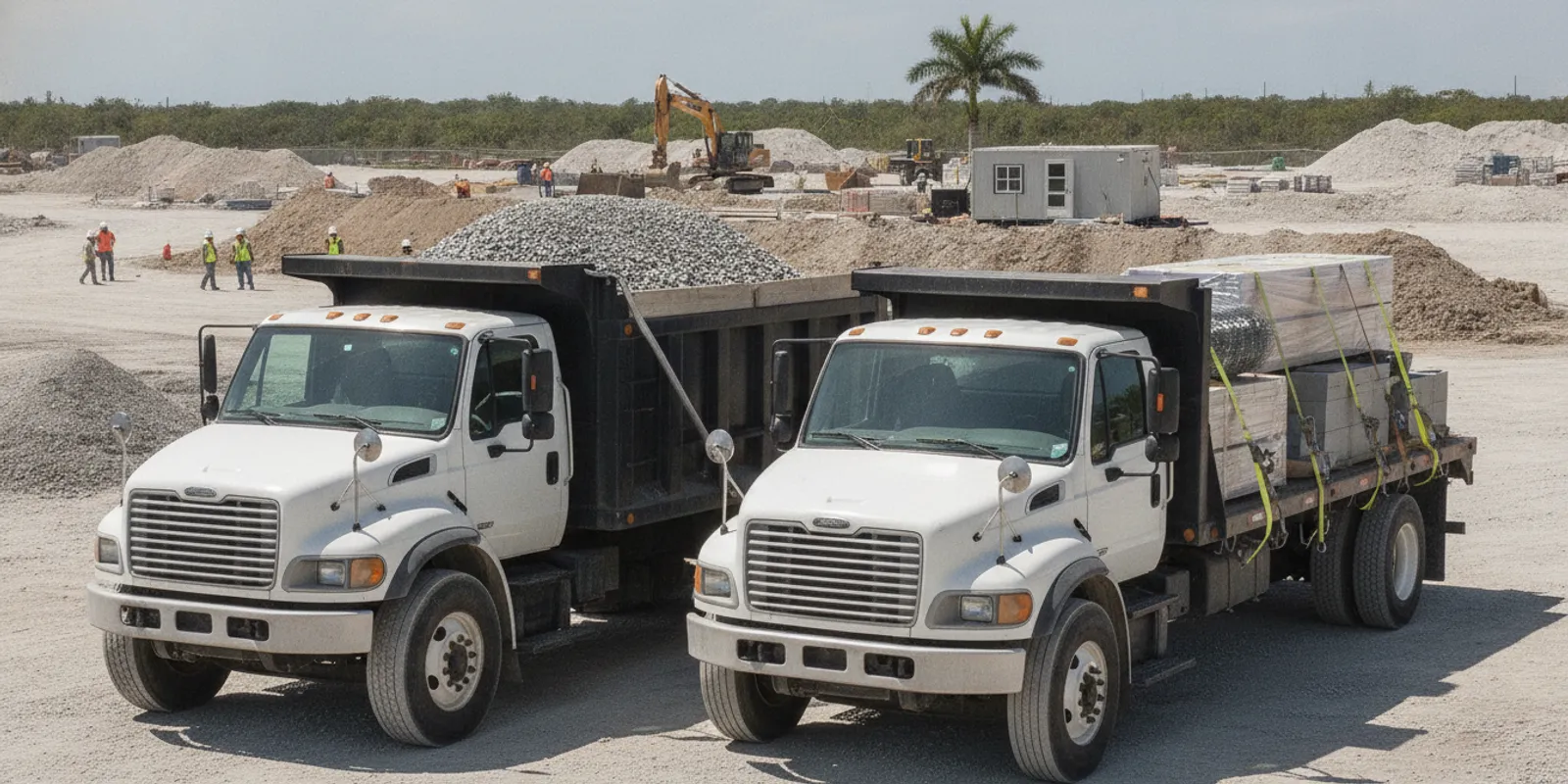
Choosing between a dump body vs flatbed starts with what your truck will carry most often and how crews need to unload it. A dump body is designed to raise and discharge loose material. A flatbed is an open platform for cargo that is loaded, secured, and removed with people or equipment. The better fit depends on your regular loads, jobsite access, completed-truck capacity, and handling process—not just the body style that looks most versatile.
What is the difference between a dump body and a flatbed?
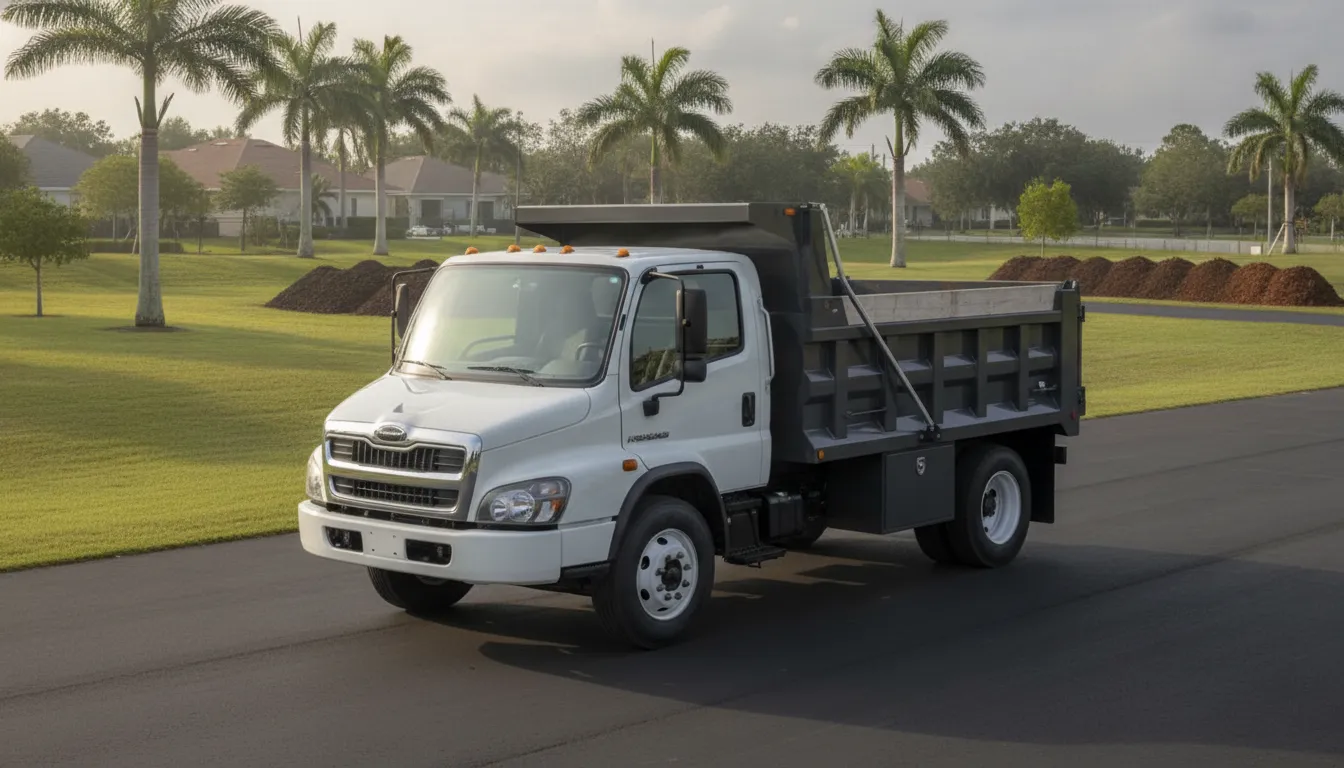
A dump body has sides and a tailgate around a bed that tilts to discharge material. It is intended for loads that can slide or flow out when the body is raised, such as soil, gravel, mulch, or jobsite debris. The body contains the load during travel and can make depositing material at a suitable site more direct.
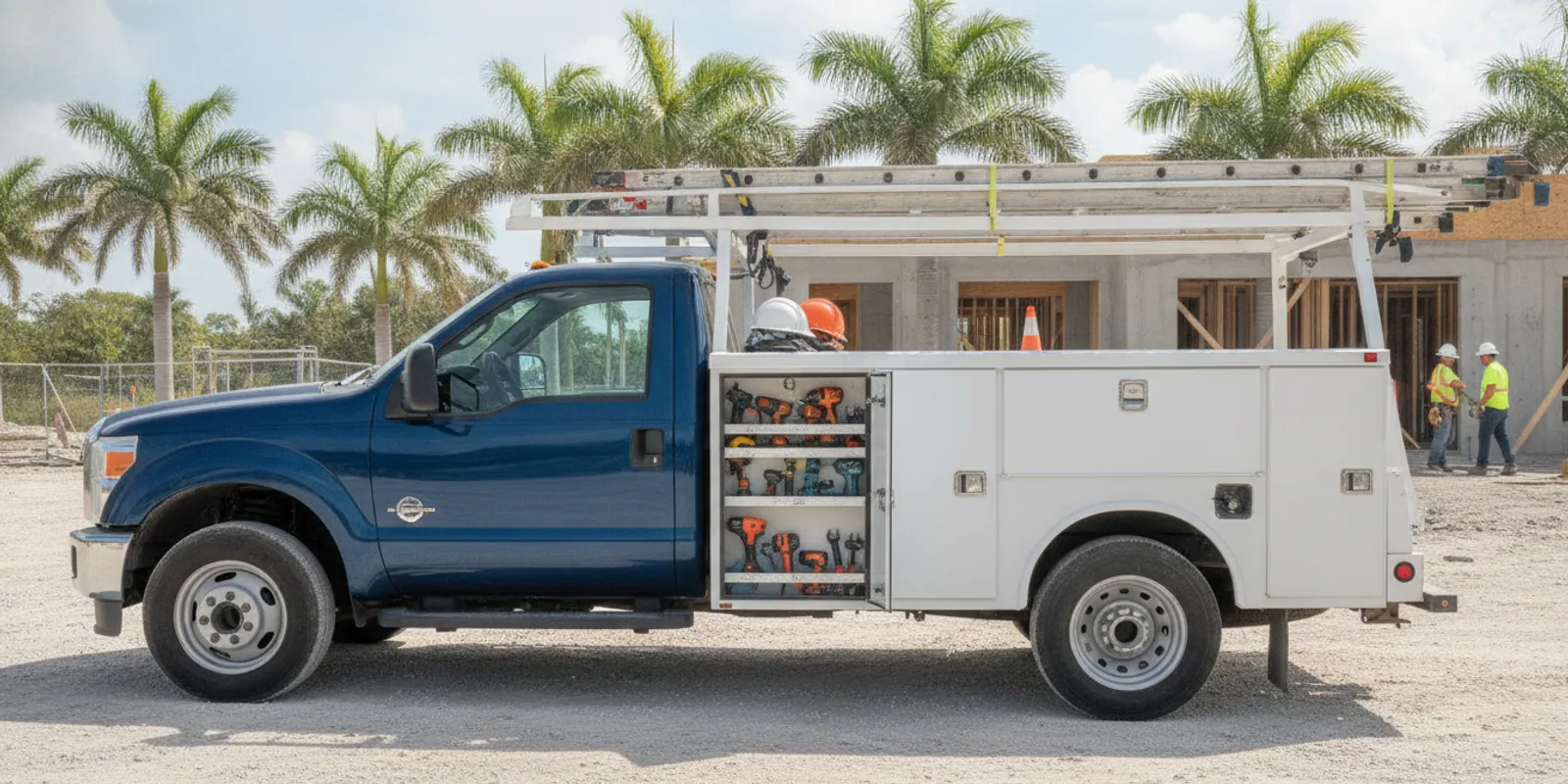
A flatbed is an open, level platform. It can carry items that do not pour, including equipment, building supplies, bundled products, and palletized cargo. Open sides allow loading access from different directions, depending on the truck, cargo, and equipment available. Because the platform does not enclose its load, the operator must use an appropriate securement plan and suitable cargo-control equipment.
Neither body name tells you how much cargo a specific truck can safely carry. The chassis, axle ratings, tires, completed vehicle weight, body, and installed equipment all matter. Compare the actual truck configuration and its documentation rather than estimating capacity from the body’s appearance or volume.
Which cargo do you carry most often?
Start with the work you perform repeatedly. List representative loads from recent jobs and note what each item is, whether it is loose or packaged, its approximate dimensions and weight, and the method used to unload it. Separate a frequent task from an occasional one. A body that handles the main business well may be a better choice than a compromise chosen for a rare exception.
- Loose materials: Soil, aggregate, mulch, or similar material may be a natural match for a dump body when the destination can accommodate safe tipping.
- Long or awkward cargo: Pipe, lumber, bundled products, and some equipment may be easier to arrange on a flatbed, subject to dimensions, weight, and securement requirements.
- Palletized goods: A flatbed can work when a forklift or other suitable handling method is available and the load can be secured correctly for the trip.
- Debris from varied jobs: A dump body may make depositing loose debris easier, but consider the material’s shape and whether it can discharge without hanging up.
- Mixed assignments: Compare how often each type of job occurs, how long loading and unloading take, and whether specialized equipment is needed to cover the less common work.
Also consider the number of separate deliveries in a workday. If a truck repeatedly drops loose material at suitable locations, a tipping function may be useful throughout the route. If a crew carries several different items and removes them at different stops, an open deck may support that sequence. A theoretical ability to carry a load is not enough if the truck makes the crew’s routine handling slower or harder.
How do loading and unloading methods affect the choice?
Map the full handling sequence from the supplier or yard to the final worksite. For each common load, record who places it on the truck, what equipment is used, how the load is restrained, and how it comes off. Include the time and access needed at both ends. A body should fit the whole job, not only the drive between locations.
When can a dump body simplify the work?
When the cargo is loose and needs to be deposited, raising the body may reduce manual handling. That convenience depends on having room to position the truck, suitable ground, and enough overhead clearance for the raised body. Check the actual site for slopes, soft surfaces, overhead wires, branches, structures, people, and nearby equipment. If the site cannot support a safe discharge, plan another method rather than assuming the body can be raised wherever the truck arrives.
Operators should be trained on the particular truck and body and follow the manufacturer’s instructions. Keep people clear of the operating area and do not improvise around the lifting system. OSHA’s bulletin, Hazards of Unintended Movement of Dump Truck Body Beds, addresses the risk of an elevated dump body moving unexpectedly. It is a useful reminder to treat the raised body as a serious operating hazard and to follow applicable equipment procedures.
When can a flatbed make handling more practical?
An open deck may allow loading from the side or rear and can accommodate cargo with varied shapes. That access is helpful only if the truck can be positioned appropriately and the loading equipment can reach it safely. Check whether forklifts, cranes, ramps, or manual handling are part of the normal process. Consider the sequence too: cargo that must come off first should not be blocked by items scheduled for a later stop.
Flatbed work also requires a dependable securement routine. Choose cargo-control equipment suited to the load, inspect it before use, and position and secure cargo according to applicable requirements and equipment instructions. Make sure workers can reach tie-down points without climbing onto unstable cargo or placing themselves in an unsafe position. If your loads vary, document a few typical securement setups rather than relying on memory at the end of a busy shift.
How should you compare capacity and dimensions?
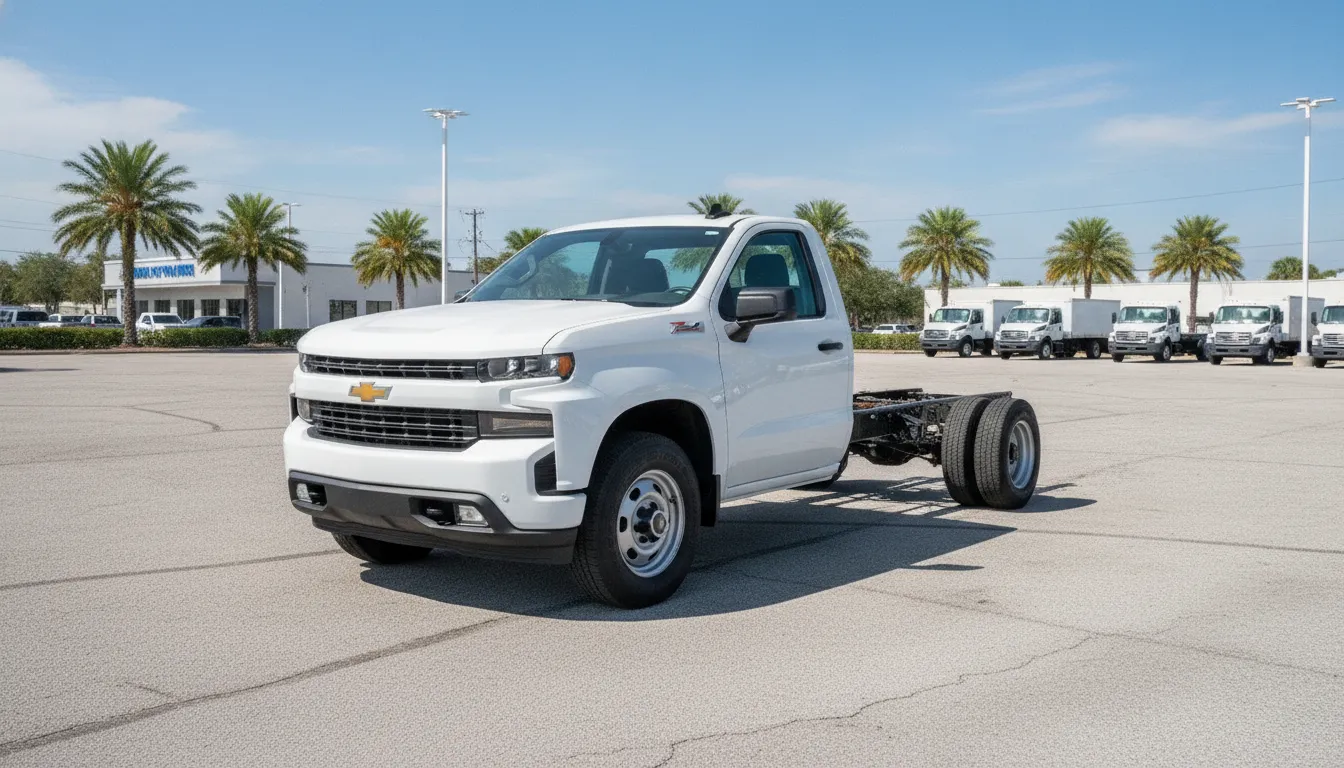
Capacity planning starts with the finished truck, not an empty chassis or an advertised body size. The body, hoist, racks, toolboxes, tarps, and other installed equipment add weight. That leaves less capacity for cargo. Ask the dealer or upfitter for the completed configuration’s weight and confirm the relevant ratings in the vehicle documentation. A body with more volume does not necessarily mean more usable payload.
Estimate the weight of real loads as well as their dimensions. Loose materials can vary with type and moisture, so a level or full-looking body does not reliably show whether a load is within the truck’s limits. For a flatbed, large or long cargo still has to fit the vehicle’s ratings and be positioned and restrained properly. Check axle loading and cargo placement as part of the configuration discussion, rather than focusing only on a single maximum figure.
For several representative jobs, use this worksheet:
- Write down the cargo type, approximate dimensions, and expected weight.
- Record how it is loaded, how it is secured in transit, and how it is unloaded.
- List the body and accessories required for the task, including any equipment that adds weight.
- Ask a qualified dealer or upfitter to review the completed truck configuration and usable capacity.
- Check whether the load fits the body, can be positioned safely, and can be handled at your typical sites.
- Repeat the comparison for the heaviest and most awkward common loads, not only the easiest example.
For example, a landscaping crew might move mulch in the morning and transport a compact machine later. The first task may favor a dump body if each destination permits safe tipping. The machine may call for a different loading arrangement and adequate capacity. Write both jobs down, including how often each occurs, then ask whether one truck configuration can support them safely or whether a separate solution is more practical. Do not assume the body alone resolves a mismatch in equipment, capacity, or site access.
How does the jobsite change your decision?
Site fit involves more than whether a truck can reach the address. Look at turning room, surface conditions, overhead clearance, stopping space, customer access, and where the cargo needs to go. A dump body may be useful at a site with a clear, suitable place for controlled discharge. In a tight, sloped, soft, or overhead-obstructed area, raising the body may not be appropriate. Identify an alternate unloading plan before the truck arrives.
A flatbed can carry cargo that needs to remain level or be removed in a particular order. Yet an open deck exposes cargo to weather and makes securement part of every trip. Determine where straps and other equipment will be stored, how workers can access them, and whether one load can be removed without disturbing the rest. For deliveries across several locations, sketch the loading order to make sure the first stop’s cargo is accessible.
Routes matter as well. Note narrow streets, low branches, frequent stops, and any regular limits on access. If drivers serve different crews or job types, ask them to identify the sites that create the most difficulty. A short review of actual routes can reveal that a body suited to the yard is awkward at the destination—or that a seemingly flexible option would require more handling than expected.
What should you compare in daily use?
Use a direct comparison of your recurring tasks rather than relying on a general claim that one body is more convenient. This table is a starting point; verify the details against the truck, equipment, and worksite.
| Decision factor | Dump body | Flatbed |
|---|---|---|
| Typical cargo fit | Loose material that can be discharged by tilting | Equipment, long items, bundles, and other non-pourable cargo |
| Unloading approach | Raises the bed to release material where conditions allow | Items are removed by workers or suitable lifting equipment |
| Site considerations | Needs appropriate positioning, ground, and overhead clearance for operation | Needs room and access for loading, unloading, and securement |
| Extra operating focus | Follow body and hoist procedures; inspect the lifting system | Plan and inspect cargo restraints and tie-down points |
| Questions to verify | Can typical sites accept a raised body and discharged material? | Can crews load, secure, and remove each recurring load efficiently? |
Which body needs more maintenance attention?
Both configurations need routine inspection and care. A dump body has moving components, including the lifting system and related hydraulic parts. Follow the manufacturer’s service guidance, check for leaks or unusual operation, and address damage before it affects use. Keep the body and operating area clear of material that could interfere with movement. A truck body should not be operated with a known defect simply because the next load seems straightforward.
A basic flatbed has fewer lifting components, but the deck, rails, tie-down points, and accessories still need attention. Look for damage, corrosion, worn or loose securement points, and changes that could affect the way cargo is restrained. Inspect straps, chains, and other cargo-control equipment according to their instructions, and store them so they are ready for use rather than damaged or missing when a load is being prepared.
Compare upkeep in the context of your operation. The simpler setup is not automatically the lower-effort choice if it adds manual handling, extra trips, or a need for separate unloading equipment. Likewise, the added capability of a dump body is most useful when the work uses it regularly and the operation can support the equipment’s inspection and maintenance needs.
How much flexibility does your business need?
A flatbed’s open platform can accommodate a range of cargo shapes, and compatible accessories may support recurring needs. Any addition should suit the chassis and the work, preserve safe loading and securement practices, and be included in capacity planning. Racks and other equipment add weight and may change how cargo can be positioned, so revisit the completed configuration when plans change.
A dump body is more specialized around loose material and discharge. That focus can be valuable when it matches the central work of a crew. It may be less convenient for large items that need a level platform or side access. If one vehicle serves several departments, ask each crew for its common loads and handling sequence. Choose based on the shared work that matters most, not an assumption that every task can be handled equally well by one body.
Tri-County Truck lists different work-truck body styles, including dump trucks, landscape dump trucks, and flatbed trucks. Inventory changes, so confirm the configuration and details of any specific truck rather than assuming a particular unit is available. You can also review current truck inventory across body styles.
How can you make the decision?
Use your load and site notes to answer these questions before comparing individual trucks:
- What cargo types account for most trips, and how frequently do occasional jobs differ?
- Does the cargo pour or slide, or must it remain level and be unloaded as individual items?
- What equipment and labor are available at your yard and at typical destinations?
- Can common job sites provide suitable positioning, ground, and clearance for a raised body?
- Can crews load and secure flatbed cargo consistently, including long or irregular items?
- What are the dimensions and expected weights of representative loads?
- What body, hoist, accessories, or cargo-control equipment will be part of the completed truck?
- What inspection and maintenance routines can your team support?
If most trips carry loose material and suitable sites allow safe tipping, a dump body may be a logical starting point. If the regular work involves equipment, palletized goods, long cargo, or removal from the side or in stages, a flatbed may fit better. If the work is mixed, compare the number of jobs, handling time, and constraints for each load type. A short job log can make the choice clearer: track load type, loading and unloading method, time, and any site problem over a representative period.
Then bring that information to the truck comparison. Ask about completed vehicle weight, applicable ratings, included equipment, body operation, and maintenance requirements. Confirm the configuration with the appropriate dealer, manufacturer, or upfitter documentation. If your business expects the truck to take on new work, evaluate those loads separately rather than treating a future possibility as a current requirement.
What should you confirm before choosing?
Before making a decision, review the actual truck and body configuration, not just a category name. Confirm that the body dimensions suit the load, the completed vehicle can support the intended work within its ratings, and the operating method is practical for your crews and sites. Ask what equipment is included and what additional items you would need to provide. For dump work, discuss operating procedures and service needs; for flatbed work, review tie-down locations and the securement equipment your loads require.
Ask about current dump and flatbed options
The right truck body is the one that safely supports your regular loads and fits how your crews load, travel, and unload. Compare real jobs and site conditions first, then verify a specific truck’s configuration before deciding.