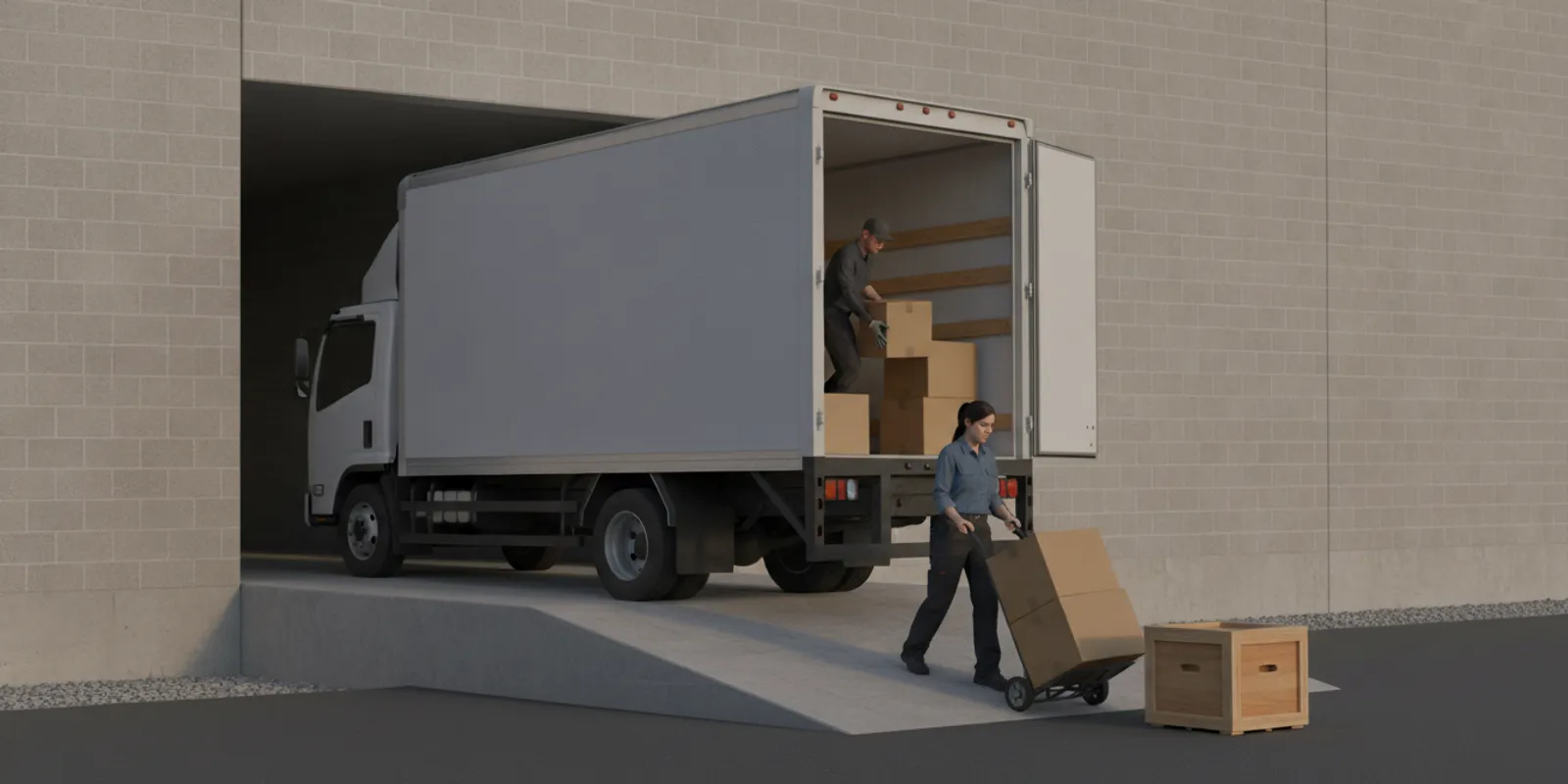
Starting a box truck business takes more than finding a truck and accepting a delivery. Before you invest, decide who you will serve, what work you can provide consistently, and whether the revenue can support the vehicle and operating costs. This guide to how to start a box truck business walks through those decisions in order, so the truck you choose follows a real operating plan.
Discuss your truck requirements
Start with the work, not the truck
A box truck is equipment, not a business model. Start by naming the customer and the task you intend to handle. Possible work includes local business deliveries, moving boxed goods, carrying equipment, serving a scheduled route, or transporting supplies for a trade. Each model can call for different body dimensions, loading methods, scheduling, and customer expectations.
Write your proposed service in one sentence. For example: “I will deliver packaged supplies between local business locations on weekdays.” Then list the customers most likely to need that service, how often they may need it, and what they currently do instead. The aim is not to predict demand from a broad impression. It is to learn whether actual prospective customers have a recurring problem you can solve.
- Ask prospective customers what they transport, how often, and what delivery windows matter.
- Find out whether cargo is palletized, fragile, unusually long, bulky, or time-sensitive.
- Clarify whether the customer expects you to load and unload, or only transport the goods.
- Ask about access restrictions, delivery paperwork, proof of delivery, and insurance requirements.
- Record likely trip distances, waiting time, and return-trip opportunities instead of counting only the loaded miles.
Use these conversations to define a first service area and a realistic type of job. A promise to handle every kind of delivery can sound flexible, but it makes equipment, insurance, scheduling, and pricing harder to plan. A narrower first offer can make it easier to understand what truck and equipment you actually need.
Test the business idea with a simple operating plan
Map a typical workday from the first customer contact to the final invoice. Include dispatch, travel to pickup, waiting, loading, securing cargo, travel, unloading, delivery confirmation, cleaning, fueling, and paperwork. These activities all use time, even when the truck is not moving. If you plan to work alone, consider whether you can safely handle the cargo and the loading steps. If a helper or equipment is needed, include it in the plan and estimate.
Next, list monthly fixed and variable costs. Fixed costs may include a vehicle payment, insurance, parking, and business expenses that do not change with each trip. Variable expenses can include fuel, tires, maintenance, tolls, loading supplies, and repairs. Also account for your own labor and the time spent finding, quoting, and collecting payment for jobs. The amounts depend on your truck, location, route, coverage, and business structure; obtain current estimates for your own situation rather than relying on generic figures.
| Planning area | What to write down | How it affects the truck decision |
|---|---|---|
| Customer and work | Customer type, cargo, trip frequency, service area, and delivery expectations | Helps identify the body, access, and equipment needed for paid jobs |
| Capacity and loading | Largest cargo dimensions, estimated weight, loading method, and handling needs | Sets practical limits for body dimensions, payload, and lift or ramp requirements |
| Monthly costs | Payment, insurance, fuel, service, tires, parking, labor, and downtime allowance | Shows the revenue the business needs and what ownership cost it can carry |
| Operating obligations | Licensing, registration, insurance, permits, and customer-specific conditions to verify | Helps avoid choosing a vehicle before checking applicable rules |
| Backup plan | Repair response, alternate capacity, cash reserve, and customer communication plan | Reveals how a breakdown or slow period could affect service commitments |
Make two versions of the forecast: a typical month and a slower month. In each, estimate paid jobs, miles, working days, customer payment timing, and expenses. A plan that works only if every day is booked leaves little room for repairs, seasonal changes, cancellations, or invoices paid later than expected. Write down the assumptions so you can revise them when you gather better information.
The U.S. Small Business Administration offers business planning resources at SBA.gov. Use authoritative planning resources as a starting point, then check financial, tax, and legal questions with professionals who can advise on your circumstances.
Check the operating rules before accepting work
Do not determine legal requirements from the words “box truck” alone. Applicable requirements can depend on vehicle ratings, how and where it is operated, cargo, and the details of the business. Before taking paid work, confirm the driver licensing, registration, insurance, and business obligations that apply to the exact vehicle and operation. If you may operate across state lines, review current guidance from the Federal Motor Carrier Safety Administration and verify your specific situation with the relevant authority or a qualified professional.
Ask prospective customers about their conditions too. A business may require particular coverage, scheduled appointments, signed delivery records, or specific procedures for damaged or refused goods. Get these details in writing before committing to a route, buying specialized equipment, or promising a service level. Do not assume the customer’s rules replace the requirements that apply to your own operation.
Match the truck to cargo, weight, and access
Once the service is clear, measure the loads. Record the largest items, including the space needed to load and secure them. Note whether you will carry loose boxes, pallets, furniture, tools, or a mix. A useful measurement includes not just the cargo but also the route through the door, the space to position a pallet jack or dolly, and the room needed to secure goods without blocking access.
Compare interior length, width, and height with the actual cargo. Check the rear and side door openings, floor condition, loading height, and the method you will use to get items on and off. A load that fits within the interior may still be difficult to handle if it cannot pass through the door or if the pickup location has a narrow approach.
Then estimate loaded weight. Include cargo, driver, passengers, tools, and installed equipment such as a liftgate. Review the ratings and specifications for the particular truck, and do not treat a roomy body as proof that it can carry a heavy load. A qualified dealer or technician can help you locate and interpret vehicle information, but you should bring a realistic cargo estimate rather than guess.
- Measure the largest expected loads and the tightest doorway they must pass through.
- Estimate the total weight of cargo, people, tools, and installed equipment together.
- Check turning space, parking, overhead clearance, and loading access at regular stops.
- Decide whether a ramp, liftgate, pallet jack, straps, or other handling equipment is necessary.
- Consider whether loads need separation, protection from weather, or a particular securing method.
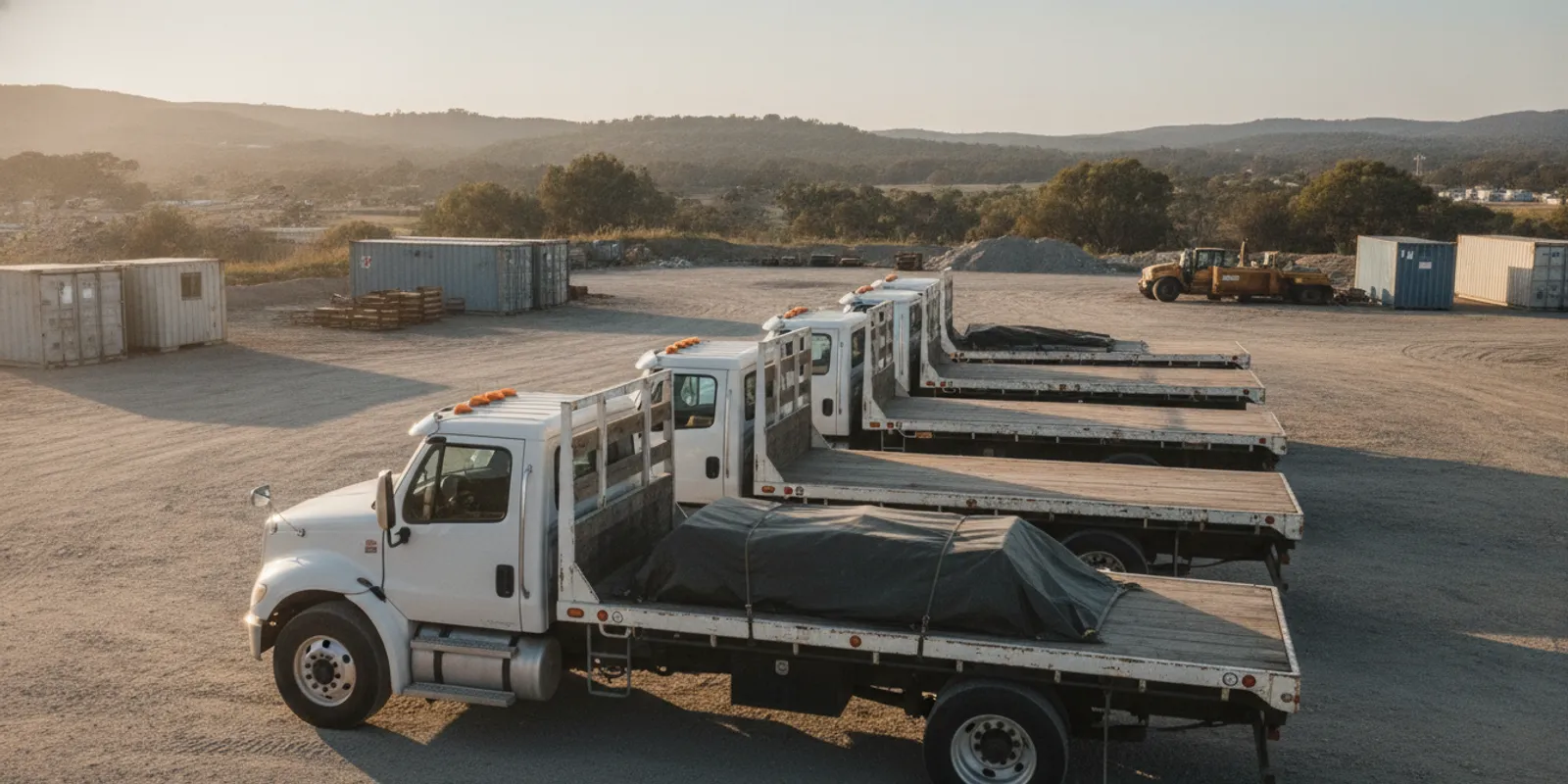
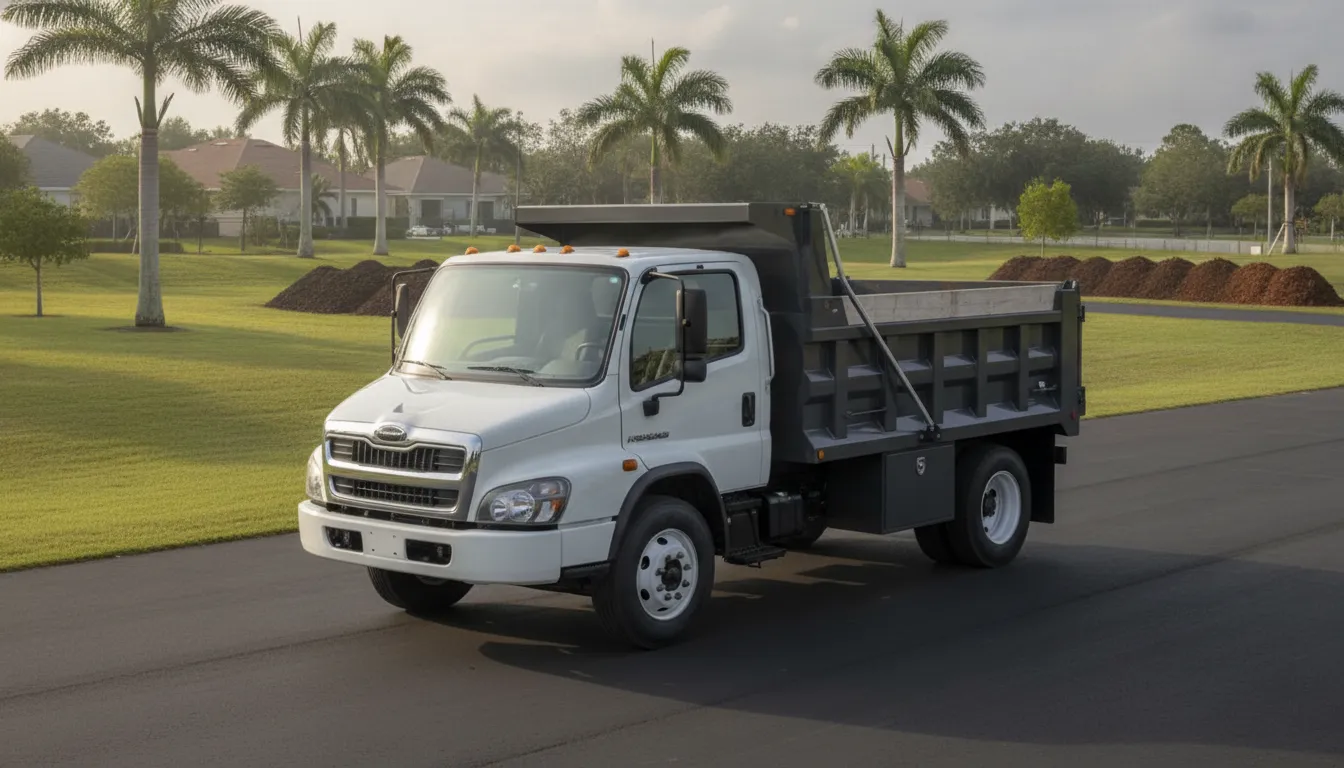
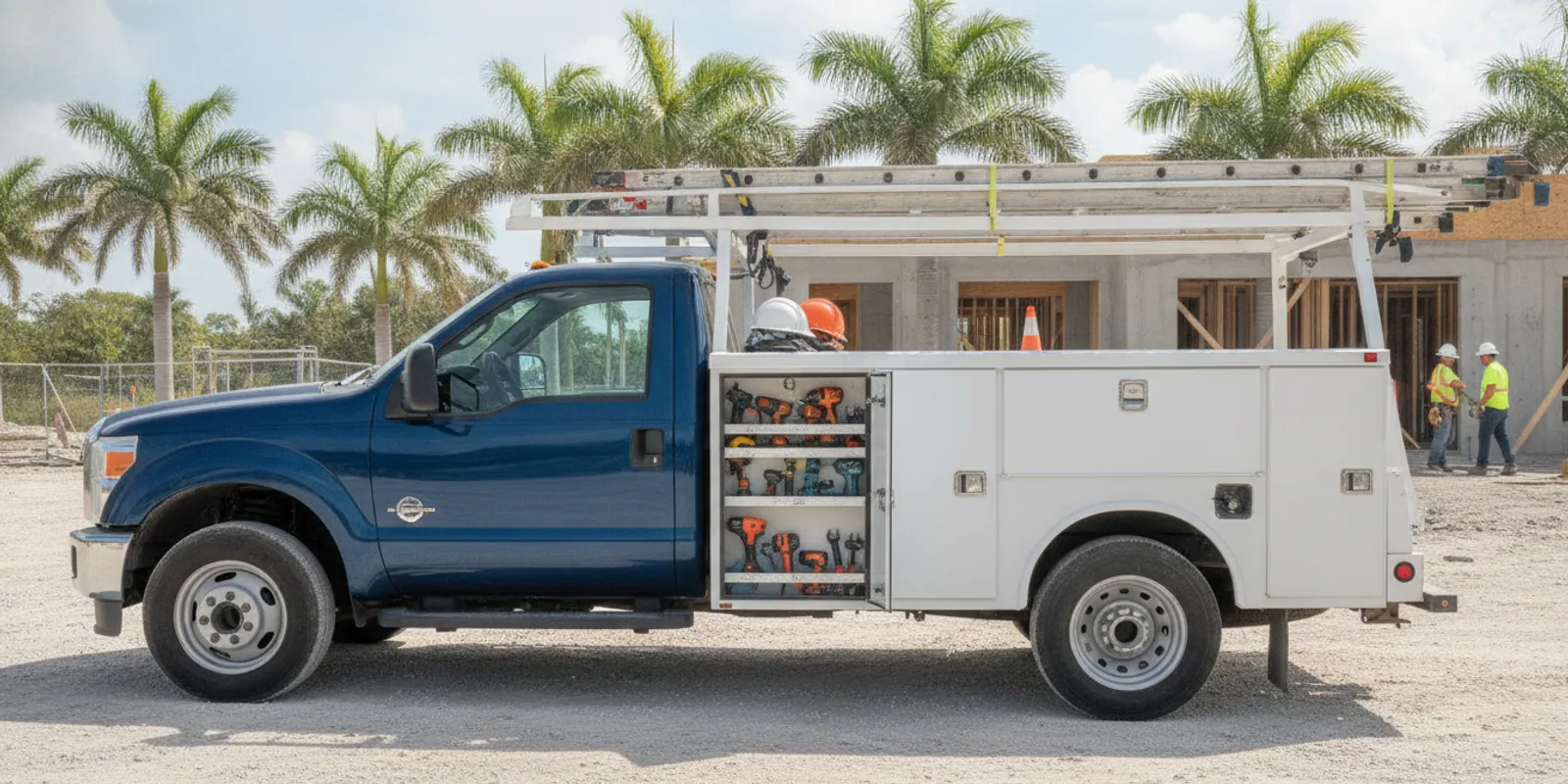
Use those details to compare box trucks for sale and shortlist body configurations that fit the intended work. If the cargo needs an open bed or a different chassis setup, compare flatbed truck options or cab and chassis trucks rather than expecting one body style to do every job.
Compare the full cost, not just the asking price
A purchase decision should connect the truck’s cost to the work plan. Compare the expected payment or purchase outlay with insurance estimates, fuel use for your planned routes, maintenance, tires, equipment, and likely parking expenses. Ask what is included with a specific truck and what may need attention before it is ready for your work. Confirm any warranty or protection terms in writing for that vehicle; do not assume a program applies to every truck.
When comparing financing, focus on the full terms and the cash flow they create. Consider the payment schedule, amount due at purchase, length of obligation, and how the payment fits a slower month. Discuss options directly with the provider and review the documents before committing. You can examine the dealership’s commercial vehicle financing information as one step in preparing your questions; no financing outcome or terms should be assumed in advance.
If replacing or trading a vehicle, record its condition, ownership information, and any outstanding obligations. A trade value can affect the amount you need to fund, but it should not distract from whether the replacement truck fits the business. Review the trade appraisal process and compare the resulting figures with your overall cash-flow plan.
Inspect new and used candidates against the same checklist
A new truck may provide a known starting condition and a configuration selected for the job. A used truck may suit a different budget or be available in a body style you need. Neither category is automatically the better business choice. Compare candidates on usable capacity, condition, equipment, service information, total cost, and fit with your confirmed work.
For a used candidate, ask what maintenance records are available and arrange an appropriate inspection. Review the cab and controls, tires, brakes, lights, frame, body, doors, floor, and liftgate if equipped. Look for leaks, corrosion, uneven wear, signs of prior damage, or repairs that need explanation. Ask a qualified technician to inspect concerns you cannot evaluate. Confirm the vehicle identification information and compare the vehicle’s ratings and configuration with your intended load.
For every candidate, ask what equipment is installed, what is included in the sale, and what work may be needed. Check the cargo area in person where possible. Bring a tape measure and your list of load dimensions. Ask to see relevant specifications and available service history, and arrange a test drive or inspection as appropriate. For an ongoing ownership plan, understand where you can get routine maintenance and how service downtime may affect customer commitments; review available commercial truck service and parts information as part of that discussion.
Prepare a focused visit to compare trucks
A short written checklist makes a dealership visit more useful. Bring the facts that connect the vehicle to your work, not just a preferred body length or a list of features.
- Write down your typical and largest cargo dimensions, estimated weights, and handling method.
- Bring route details, regular delivery locations, access restrictions, and expected working hours.
- Identify the equipment you need and separate must-haves from conveniences.
- Compare the interior, openings, floor, loading height, and installed equipment with your measurements.
- Review vehicle specifications, ratings, condition, and available service history.
- Ask which inspection, warranty, or protection information applies to that exact vehicle.
- Compare the full purchase and operating estimate with both your typical and slower-month forecast.
If you are still determining the correct configuration, start with the inventory and compare the available used box truck options against the same measurements. The best fit is not necessarily the largest truck or the one with the most equipment. Extra capacity that does not help you serve identified customers can add cost without solving a business need.
Set up daily practices before the first route
Once the work model and vehicle make sense, build repeatable habits. Use a consistent process to record job requests, estimates, customer approval, pickup and delivery details, and invoices. Confirm addresses, contact information, access instructions, cargo description, and delivery window before dispatch. Clarify who is responsible for loading, unloading, and documenting the handoff.
Keep receipts and track revenue and expenses by job where practical. Include mileage, fuel, tolls, labor, supplies, waiting time, and maintenance so you can see which types of work contribute to the business after costs. Review the results regularly. If a route takes longer than expected or a customer changes the cargo, update the estimate and operating plan rather than relying on the original assumption.
Prepare a communication plan for delays and breakdowns. Keep customers informed, document changes, and avoid promising a recovery time until you have reliable information. Record maintenance, inspections, and repairs, and allow time for scheduled service. A truck that is unavailable can affect both revenue and customer confidence, so downtime belongs in the business plan from the beginning.
How do you choose a sensible first step?
Start with one customer type and one service you can explain clearly. Verify that potential customers have a real need, map the costs of performing the work, and check the operating requirements that apply. Then measure likely cargo and compare vehicle dimensions, loading access, and capacity against those facts. This sequence keeps the truck decision connected to the business rather than to a feature that may not matter.
Tri-County Truck sells and services commercial trucks. To explore the dealer’s commercial truck inventory or ask about a configuration, bring the cargo, route, and ownership details you have collected. A focused conversation can help you compare suitable candidates without treating a general estimate as a substitute for checking the specific vehicle and your business requirements.
Request a quote for your box truck needs
Frequently asked questions
How do I choose a box truck for a new business?
Begin with the service and cargo you expect to handle. Measure loads and doorways, estimate loaded weight, consider the loading method and route access, and compare those details with the specifications of each truck. Include equipment and passengers when estimating weight.
Should I buy a new or used box truck?
Compare each candidate’s condition, configuration, history, equipment, total cost, and fit with the work you expect. For a used truck, review available maintenance records and consider a qualified inspection. For either type, confirm that the specific vehicle suits the loads and routes you have identified.
What costs belong in a box truck business plan?
Include the purchase or payment, insurance, fuel, maintenance, tires, registration or business expenses that apply, parking, equipment, labor, and downtime. Gather estimates for your own operation and model a slower month as well as a typical one.
Do I need a special license to drive a box truck?
Requirements depend on the vehicle and how it is used. Check the applicable rules with the relevant authorities for the exact truck, cargo, and operation before accepting paid work. Do not use the body style alone to decide what licensing or operating requirements apply.
What information should I bring when comparing trucks?
Bring cargo dimensions and weight estimates, route and access details, equipment needs, and your cost assumptions. Ask to review the specific vehicle’s ratings, condition, and available service history so you can compare it with the work plan.
A clear service plan and a truck matched to actual customer work give a new operator a more informed starting point; when you are ready to compare a specific configuration, request a quote with your measurements and requirements in hand.